

Attending the Nature Flagship Conference Reframing Precision Medicine: Innovation to Implementation, held in London from 13 to 15 October 2026, gave me an opportunity to reflect on both the future of precision medicine and the different ways researchers can be supported throughout their careers.
As an early-career researcher working at the intersection of social epidemiology, population health and biology, I am interested in how social and environmental conditions shape health across the life course and how population-level evidence can contribute to more precise and equitable approaches to healthcare. The conference programme, with its focus on precision epidemiology, population data, personalised healthcare and the implementation of precision medicine, offered valuable opportunities to think about how different disciplines can contribute to this goal.
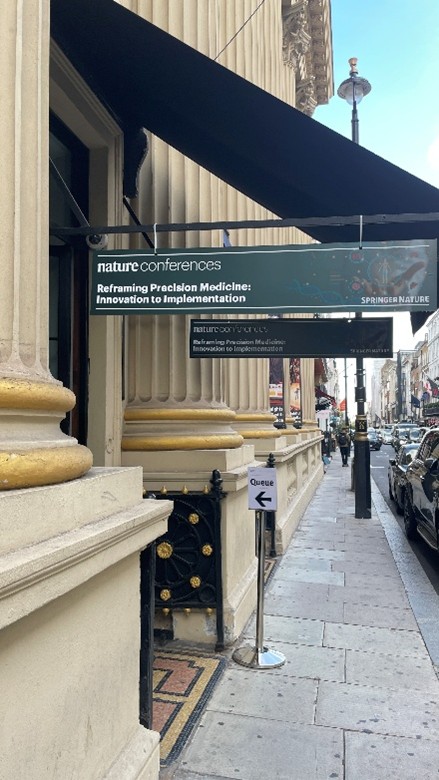
Meeting the people behind academic journals
One of the highlights of the conference for me was the opportunity to meet journal editors through the Meet the Editors and Lunch with the Editors sessions.
As researchers, we spend a considerable amount of time preparing manuscripts, responding to peer reviewers and deciding where to submit our work. Yet opportunities to speak directly with the people working behind academic journals can be less common. These sessions offered a valuable chance to ask questions, exchange perspectives and learn more about academic publishing, peer review, and how research is assessed and communicated through journals.
I have also been interested in academic editing for some time. During my PhD, I served as an editor for my university's student journal, which gave me an initial opportunity to engage with the editorial side of academic communication. Looking ahead, I am interested in exploring whether becoming a full-time editor at a leading academic journal could be a future career path.
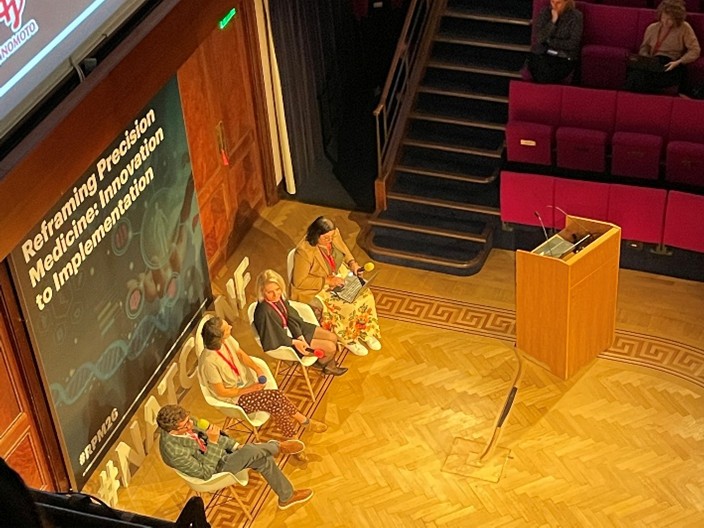
Tips on getting into an editorial career from the EiC of Nature Health!
I particularly appreciated the opportunity to have conversations with editors, especially @Ben Johnson Dr Ben Johnson, Chief Editor of Nature Health. I found these conversations especially helpful in thinking about the editorial process from a perspective different from that of an author or reviewer.
One question I have been considering is what early career researchers can do now to prepare for such a role. What skills and experience matter most? How can researchers develop the judgement needed to assess work across different topics and disciplines? And what can we learn from editors about communicating research clearly, evaluating evidence and supporting the publication of high-quality science?
Conversations gave me a valuable opportunity to explore these questions. They also reminded me that academic publishing is not simply the final step after a research project is completed. It is part of the wider process through which research is evaluated, communicated and brought to different audiences. I was also told that resources for others wondering the same can be found in the ECR Hub and the Opportunities channel!
Making the most of opportunities as an early career researcher
My experience at the conference reinforced the value of looking beyond our immediate research projects and professional networks. Scientific meetings provide an opportunity to learn about new findings, but they can also help us understand how research communities work, discover resources we might otherwise miss and consider career possibilities we have not previously explored.
For me, this was particularly relevant. Working across disciplines requires us to communicate with different audiences, learn from people with different expertise and think carefully about how evidence can be used in practice. Connecting with researchers, editors and professional communities is therefore an important part of my own development.
One of my most important takeaways went beyond the scientific programme itself. I came away with a much better understanding of the resources and communities available through Springer Nature, and of how they can support researchers like me to develop skills, build connections and explore future careers.
Before attending, I was less familiar with the range of resources available across Springer Nature. Through the conference, I learned more about Nature Careers, Nature Masterclasses and Research Communities by Springer Nature, alongside the wider programme of Nature Conferences. Each offers a different kind of support. Nature Careers provides opportunities to explore career development and professional networking. Nature Masterclasses offers training to help researchers strengthen practical skills, from communicating research to making the most of academic conferences. Research Communities, including our ECR hub, provides a space to share research, exchange ideas and connect with researchers beyond our immediate networks. Meanwhile, I feel conferences create opportunities to learn from researchers across disciplines and engage directly with people working at different stages of the research and publishing process.
Researcher development involves much more than producing publications and securing funding. It involves learning how to communicate our work, developing professional skills, building collaborations and understanding the different career paths available to us. Having access to resources and communities that support these different needs can be particularly valuable as early-career researchers work towards greater independence. I would encourage other ECRs to explore these opportunities and make use of the support available beyond their immediate institutions and research groups.
I am also grateful to have had the opportunity to attend Reframing Precision Medicine as part of the ECR Hub Ambassador programme. I would certainly welcome future opportunities to participate in conferences organised by Springer Nature, and I have already recommended these opportunities to colleagues. I also look forward to staying connected with the ECR Hub and exploring more ways to exchange experiences with fellow early-career researchers. Sharing what we learn about research, publishing and career development can help make these opportunities more accessible to others.
What about you?
Have you had an opportunity to speak with a journal editor about their work or discovered a resource that has helped you navigate an early career in research? I would be interested to hear about your experiences and recommendations!


