Biodiversity in Europe? Municipalities say yes!
Published in Earth & Environment

An impressive example of a biodiverse green space is the “Friche Josaphat” (Figure 1), a 24-hectare urban “wasteland” in Brussels, close to where I live. Despite being situated within the inner city, the site supports 127 wild bee species, including nine that are threatened with extinction at national or European scales1.
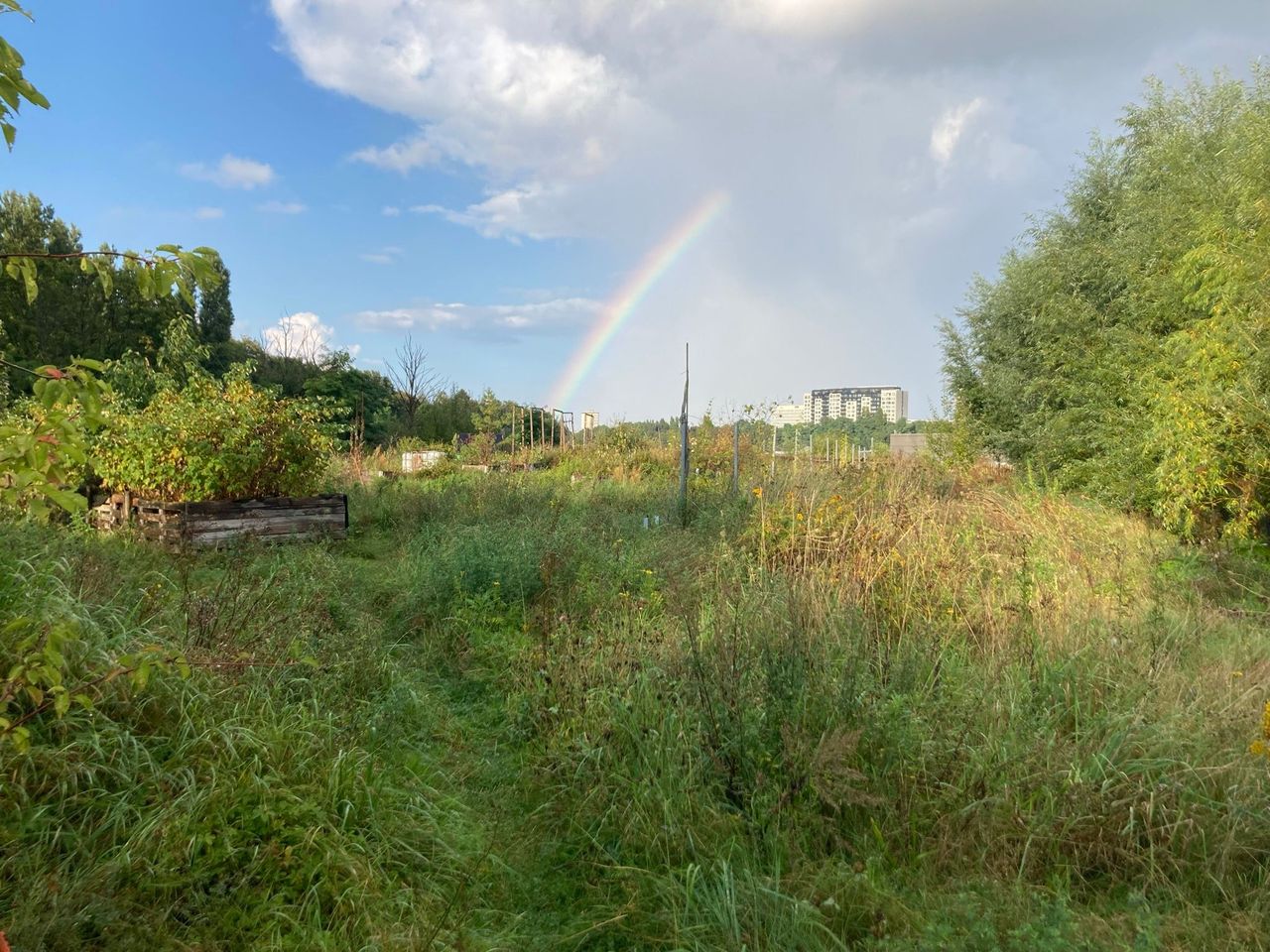
Figure 1| Picture of Josaphat Friche, Schaarbeek (Belgium) © Jolein Bergers
We see that European policies and local initiatives increasingly encourage municipalities to make room for nature within urban areas. But what do the people who actually plan and manage green spaces think about all this? Are policies actually implemented?
Much of urban biodiversity research focuses on species, habitats and ecological management. Yet, little attention has been paid to the people responsible for deciding how public green spaces are planned and managed. Do municipalities actually see biodiversity as a priority? Their decisions shape whether cities can become greener, more biodiverse and more sustainable places to live.
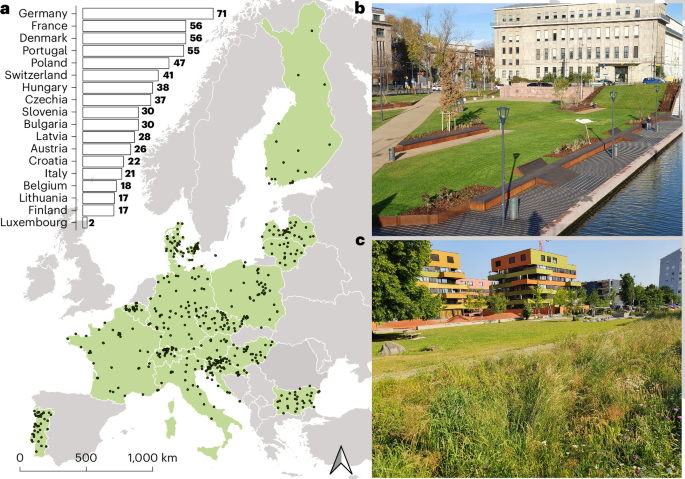
A survey across 18 European countries!
In October 2023, I received an email from Orsolya Valkó, a Hungarian researcher I had met the previous year at the first conference I attended as a PhD student. She asked whether I would be interested in joining a pan-European collaboration led together with a colleague from Switzerland, Valentin Klaus. Their aim was both clear and ambitious: to identify challenges and opportunities in urban ecosystem restoration across Europe.
I was enthusiastic and after a short check in with my supervisors, I responded, “You can certainly count me in as your representative from Belgium”. The story continued: researchers from 18 European countries joined forces, each contacting municipalities in their own country using the same questionnaire. Together, we conducted the largest survey to date on how European municipalities approach biodiversity in public urban green spaces. The story, which started at ETH Zürich with Ann Krouthen, who completed her master's thesis by piloting the questionnaire in Switzerland and Austria, grew into a large collaborative network project.
Fortunately, the collaboration did not end once the data had been collected. At the beginning of 2025, I spent two months as a guest researcher in Valentin's new Urban Ecology Lab at Ruhr University Bochum (RUB), where we worked together to anlayse the survey data and write the manuscript. Looking back, I’m very happy I’ve joined this endeavor. It not only resulted in this paper being published in Nature Cities, but also in a lasting collaboration and nice friendships.
What did European municipalities tell us?
Our survey provided a unique opportunity to better understand how municipalities across Europe approach biodiversity in the planning and management of public urban green spaces. We received responses from 574 municipalities across 18 countries, representing a wide range of population sizes and degrees of urbanization.
An overwhelming majority of municipalities (85%) considered biodiversity a key motivation for planning and managing their public green spaces. Importantly, these ambitions were also often translated into action. Many municipalities provided biodiversity training for their staff and took measures to increase public acceptance of biodiversity-friendly management.
At the same time, there is still room for improvement. While most respondents felt that the ecological condition of their urban nature had improved over the past decade, almost one in five reported a decline. We also found that local context matters. Municipalities differed according to characteristics such as the degree of sealed surface. There is no universal recipe for biodiversity-friendly municipalities, and cities need locally adapted policies and management strategies that reflect their own environmental and social context.
A blooming collaboration
The process of writing this paper showed me that science is built on collaboration. What started as an inspiring initiative grew into a network of researchers across Europe, hundreds of municipalities willing to share their experiences and perspectives, and a better understanding of the people responsible for planning and managing our urban green spaces. Two years after joining this project, I still frequently visit the lab in Bochum, give a lecture on urban grasslands each year, and continue to collaborate with several of the fantastic colleagues I met during my stay.
References
1- Vereecken, Nicolas J., Timothy Weekers, Leon Marshall, et al. 2021. ‘Five Years of Citizen Science and Standardised Field Surveys in an Informal Urban Green Space Reveal a Threatened Eden for Wild Bees in Brussels, Belgium’. Insect Conservation and Diversity 14 (6): 868–76. https://doi.org/10.1111/icad.12514.

Follow the Topic
-
Nature Cities
This journal aims to deepen and integrate basic and applied understanding of the character and dynamics of cities, including their roles, impacts and influences — past, present and future.