Building Evidence During Crisis: Breast Cancer Care Pathways in a Resource-Constrained Setting
Published in Cancer, General & Internal Medicine, and Public Health
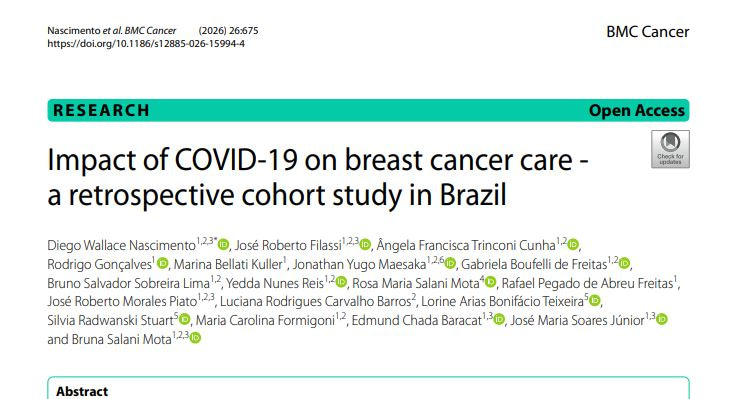

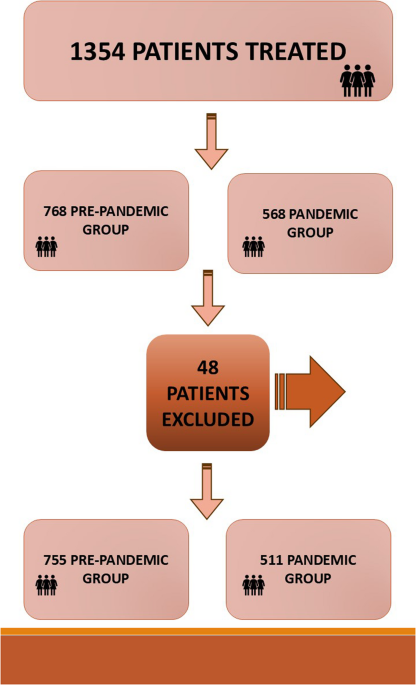

Conducting this study required a true multidisciplinary task force involving attending physicians, breast surgery residents, and collaborators from different medical specialties, both during and after the pandemic period. Data collection itself became a major challenge, as clinical workflows were constantly changing and healthcare professionals were simultaneously balancing patient care, surgical backlogs, academic responsibilities, and the emotional burden imposed by the pandemic.
One of the strongest motivations behind this project was the belief that experiences from resource-constrained public healthcare systems also deserve scientific visibility and international discussion. Despite the limitations inherent to retrospective analyses performed in middle-income settings, we believed that documenting the experience of a large public oncology center during the pandemic could provide valuable external perspectives on how cancer care pathways behave under healthcare system stress.
In many ways, this study was also an exercise in resilience — not only in maintaining cancer care during a global crisis, but also in sustaining academic collaboration, clinical research, and scientific production in a setting with limited resources and continuously shifting priorities.
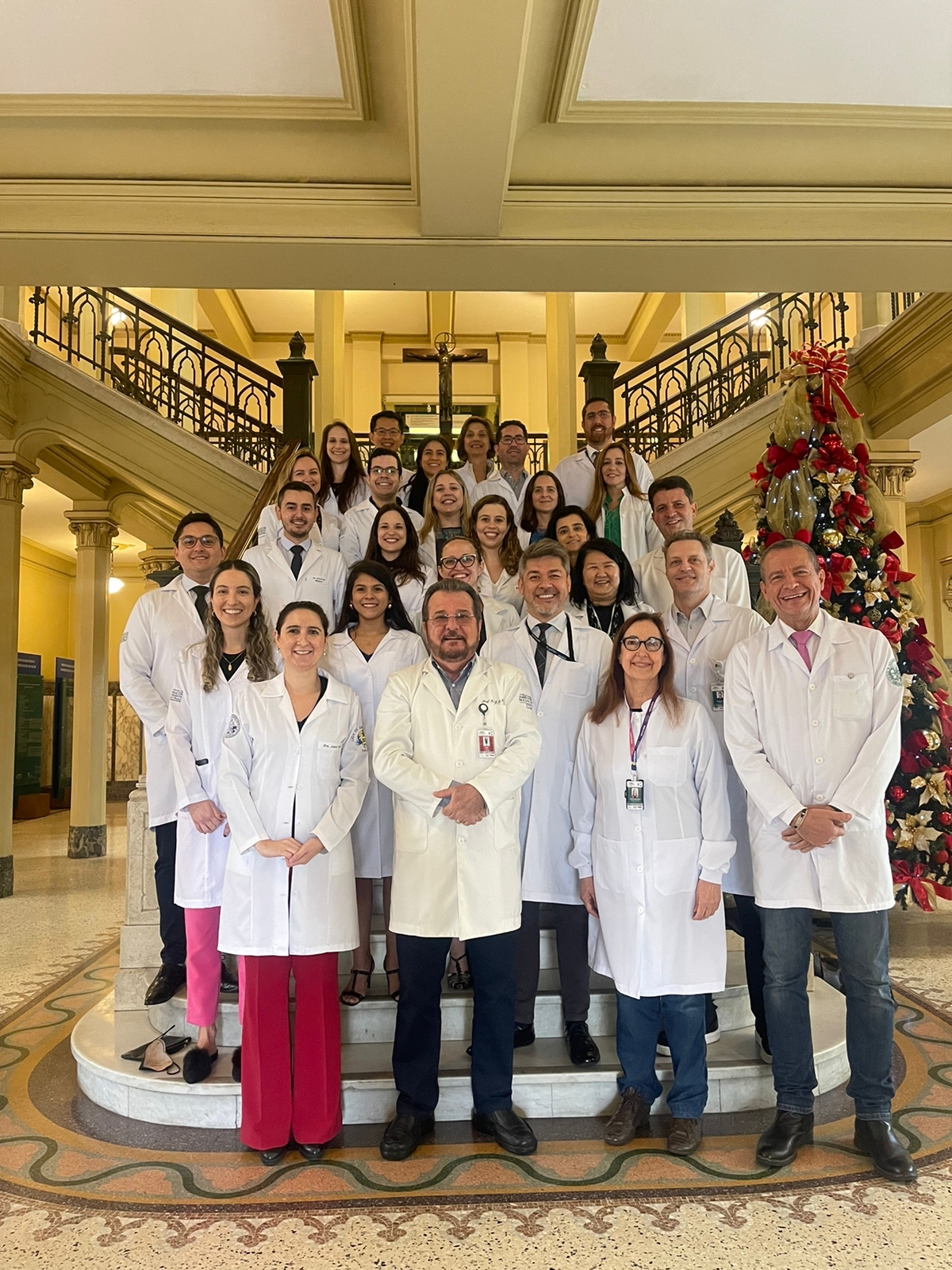
“This experience reinforced our conviction that meaningful clinical research can emerge even under adverse conditions when collaborative academic networks remain active.”

Master of Science from the Department of Obstetrics and Gynecology, Faculty of Medicine, University of São Paulo (FMUSP).
Breast Surgeon (Mastologist) trained at the University of São Paulo (USP - SP) and General Surgeon by the Pontifical Catholic University of São Paulo (PUC - SP).
Holds a Medical Degree from Centro Universitário Lusíada / Faculdade de Ciências Médicas de Santos (FCMS).
His master’s research focused on the impact of the COVID-19 pandemic on the diagnosis and treatment of patients with breast cancer in a public reference center, evaluating how the health crisis affected oncological navigation and clinical outcomes.
Author of publications in the fields of breast surgery, obstetrics, and general surgery.
Instructor of the Advanced Trauma Life Support (ATLS) course by the American College of Surgeons (ACS).
Follow the Topic
-
BMC Cancer
This is an open access, peer-reviewed journal that considers articles on all aspects of cancer research, including the pathophysiology, prevention, diagnosis and treatment of cancers.

Related Collections
With Collections, you can get published faster and increase your visibility.
Extracellular vesicles in cancer
Extracellular vesicles (EVs) have emerged as critical mediators of intercellular communication in cancer, enabling dynamic crosstalk between tumor cells and the surrounding microenvironment. Through the coordinated release of small extracellular vesicles and microvesicles, vesicles generated via endosomal trafficking or plasma membrane budding, cancer cells disseminate a diverse array of bioactive cargo, including proteins, messenger RNAs, microRNAs, and DNA fragments. The transfer of these molecular signals to neighboring tumor cells, stromal components, and immune cells can reprogram recipient cell behavior, fostering tumor growth and survival while promoting immune evasion, invasion, and metastatic spread. In this way, EV-mediated communication represents a central mechanism by which tumors adapt to and manipulate their microenvironment during disease progression.
The role of EVs in cancer has garnered increasing attention due to their potential clinical applications. Accumulating evidence indicates that the quantity and molecular composition of EVs released by tumor cells vary according to tumor origin, stage, and response to treatment. This dynamic and tumor-specific EV profile positions them as promising non-invasive diagnostic and prognostic biomarkers, capable of reflecting disease progression and therapeutic outcomes.
Continued investigation into EV biology is expected to open new avenues for precision oncology. Advances in EV isolation, characterization, and functional analysis, coupled with multi-omics technologies, may further clarify their roles in tumor heterogeneity and drug resistance. Moreover, the pharmaceutical exploitation of EVs as natural drug delivery vehicles holds significant promise for targeted therapies.
BMC Cancer is opening this collection on “Extracellular vesicles in cancer.” Topics of interest include:
- Role of small extracellular vesicles in tumor metastasis
- Microvesicles as mediators of immune evasion
- Apoptotic bodies in cancer progression
- Extracellular vesicles as diagnostic biomarkers
All manuscripts submitted to this journal, including those submitted to collections and special issues, are assessed in line with our editorial policies and the journal’s peer review process. Reviewers and editors are required to declare competing interests and can be excluded from the peer review process if a competing interest exists.
Publishing Model: Open Access
Deadline: Nov 20, 2026
Cancer control in low- and middle-income countries – Part II
In recent years, non-communicable diseases, including cancer, have shown a disproportionate increase in incidence and related mortality in low- and middle-income countries (LMICs). By 2030, approximately three-quarters of all cancer deaths will occur in LMICs, with one in eight people experiencing a cancer diagnosis in their lifetime. Reasons for disparate trends include better risk factor control in high-income countries (lower infection-associated cancers, anti-smoking campaigns, and other preventive measures), educational resources, increased number of screening and surveillance programs with earlier detection of disease, and access to more effective cancer therapies. In contrast, many LMICs experience rising cancer incidence rates due to demographic transitions marked by aging population structures and a shift in prevalent risk factors (e.g., increasing tobacco use, alcohol consumption, unhealthy diets, physical inactivity). The underlying factors are complex and interrelated, contextualized to each country's setting, and merit further study.
In 2015, the United National General Assembly adopted the 2030 Agenda for Sustainable Development Goals (SDGs), built on the principle of “leaving no one behind.” The goals highlighted the importance of fighting inequalities across the world, and specifically, two goals, SDG 3: Good Health and Well-Being and SDG 10: Reduced Inequalities, have the ambitious aim of reducing disparities within and among countries and ensuring healthy lives for all at all ages. In addition, the 2020 WHO report on cancer clearly states that cancer control is an integral component of the path toward universal health coverage and achieving SDGs. By investing wisely and equitably, cancer cases and deaths can be avoided, and premature mortality can be reduced by 2030.
Hence, to combat the high mortality of preventable and treatable cancer in LMICs, urgent efforts are needed to improve cancer control programs and educate the public to bridge knowledge gaps, address misconceptions, and debunk myths. In addition, several gaps in the research enterprise of LMICs, such as the scarcity of reliable data, a lack of clinical trials, as well as the lack of infrastructure and trained human resources, must be addressed to solve local and regional problems with acceptable, feasible, effective, and implementable solutions.
In recognition of this relevant field, we encourage submissions including but not limited to those addressing:
• Patient navigation in cancer care and its role in cancer control in LMICs
• Training of the workforce caring for patients with cancer in LMICs
• Decentralization of cancer care in LMICs
• Technology, infrastructures, and the need for implementation in cancer care in LMICs
• The role of AI and digital health in cancer care in LMICs
• Financial burden of cancer care on patients and their families
• The role of cancer registries in strengthening cancer control in LMICs
• Defining optimal cancer treatment approaches in LMICs using local evidence
• Clinical trials and cancer in LMICs
• Anticipation medicine and cancer in LMICs
• Trends in cancer research in LMICs
• National cancer control plans and their utility in LMICs and barriers to implementation
• Twinning and partnership in cancer care in LMICs
All manuscripts submitted to this journal, including those submitted to collections and special issues, are assessed in line with our editorial policies and the journal’s peer-review process. Reviewers and editors are required to declare competing interests and can be excluded from the peer review process if a competing interest exists.
This Collection supports and amplifies research related to SDG 3: Good Health and Well-Being and SDG 10: Reduced Inequalities.
Publishing Model: Open Access
Deadline: Nov 13, 2026