JMCR: Clinical Minute
Published in Neuroscience and Biomedical Research

Explore the Research
Amoxicillin-clavulanate–induced neurotoxicity in a patient with end-stage renal disease: a case of reversible encephalopathy
The Case
- A 67-year-old man with end-stage renal disease on chronic hemodialysis was discharged on amoxicillin-clavulanate 875/125 mg twice daily for concern regarding ongoing osteomyelitis.
- Approximately 48 hours after starting treatment, he developed progressive confusion, agitation, decreased communication, and ultimately incoherent speech.
- CT and MRI showed no acute intracranial abnormality; EEG demonstrated diffuse slowing without epileptiform activity.
- An extensive metabolic and infectious evaluation did not identify an alternative explanation.
- Amoxicillin-clavulanate was discontinued, and after resumption of full hemodialysis sessions, the patient returned to his neurologic baseline.
- The Naranjo score was 3, supporting a possible rather than definite adverse drug reaction.
Clinical Pearl
Beta-lactam neurotoxicity should be considered whenever a patient with severe renal impairment develops otherwise unexplained acute encephalopathy after starting an antibiotic.
Standard outpatient doses may produce drug accumulation when renal function and dialysis timing are not appropriately considered. Medication reconciliation at hospital discharge therefore represents an important opportunity to prevent neurotoxicity.
Take-Home Message
New delirium or encephalopathy in a dialysis patient? Review the medication list early. Recognition of potentially neurotoxic renally cleared drugs, prompt withdrawal of the suspected agent, and appropriate dialysis may result in complete neurologic recovery.
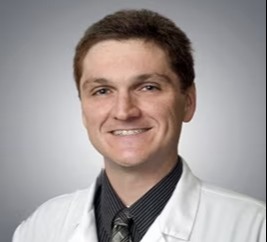
Richard Alan Rison is the interim Editor-in-Chief of Journal of Medical Case reports. He is also an associate neurology editor (editorial board) for BMC Neurology, and the former lead editor for case reports of BMC Research Notes (currently on the editorial board). His scholarly work focuses on medical case reporting, reporting standards, and editorial methodology. Dr. Rison participated in the development and dissemination of the CARE guidelines for clinical case reporting and has authored numerous publications addressing both neurological disorders and the role of case reports in advancing medical knowledge. Dr. Rison practices general neurology and served as the founding medical director of the PIH Health Hospital-Whittier Stroke Program and the PIH Health Hospital-Whittier Non-Invasive Vascular Laboratory, is a clinical assistant professor of neurology at the University of Southern California Keck School of Medicine and Los Angeles County Medical Center, and is a Fellow of the American Academy of Neurology, the American Neurological Association, and the American Association of Neuromuscular and Electrodiagnostic Medicine. Dr Rison is board-certified by the American Board of Psychiatry and Neurology in neurology and vascular neurology, and neurocritical care and neuroimaging by the United Council of Neurologic Subspecialties. He is also board-certified by the American Board of Electrodiagnostic Medicine in electrodiagnostic medicine. Dr. Rison is a former president of the Los Angeles Neurological Society.
Follow the Topic
-
Journal of Medical Case Reports
This journal will consider any original case report that expands the field of general medical knowledge, and original research relating to case reports.