Call for papers: Advances in Women’s Reproductive Biology
Published in Cell & Molecular Biology, Genetics & Genomics, and Paediatrics, Reproductive Medicine & Geriatrics
What is this collection about?
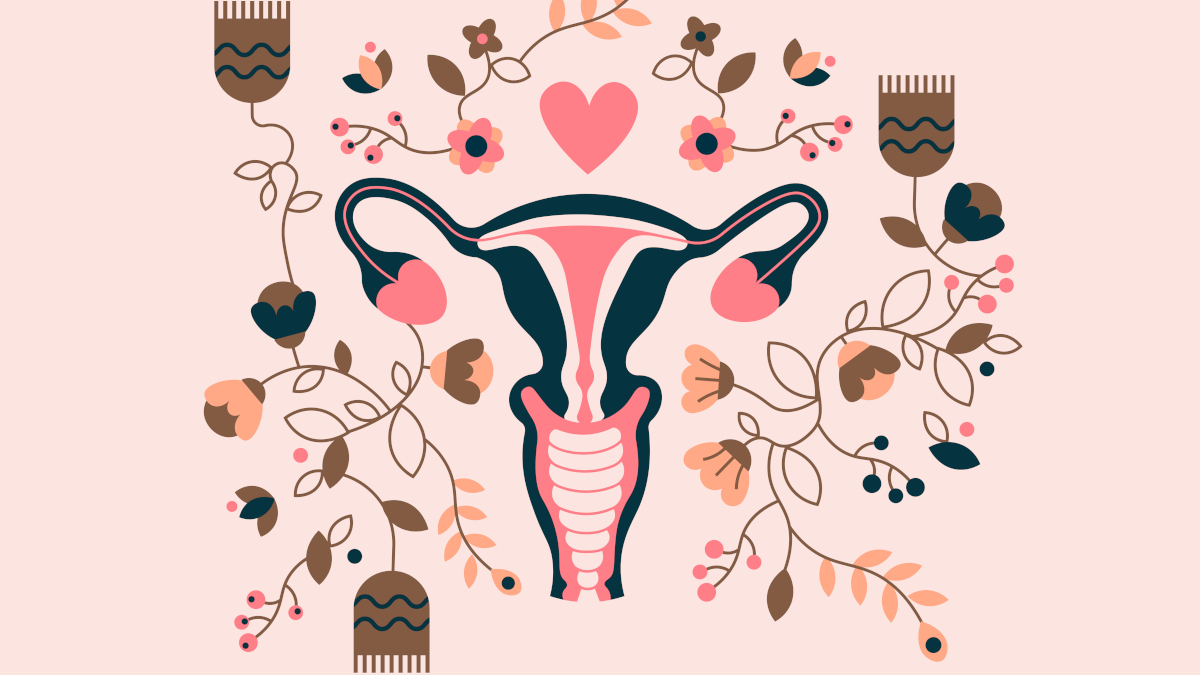
The prioritization of women’s health has gained global attention, addressing longstanding inequities in research investment and the central role of reproductive biology in overall health. Advances in molecular biology, genomics and systems medicine are transforming our ability to investigate the mechanisms underlying reproductive function and dysfunction. At the same time, persistent challenges such as infertility, pregnancy complications and underdiagnosed gynecological conditions highlight the need for deeper biological insight.
This cross-journal Collection welcomes submissions encompassing fundamental and translational research on female reproduction. Topics of interest include cellular and developmental processes such as oocyte biology and ovarian ageing, embryo implantation, embryo–maternal communication, and uterine and placental biology in both normal and complicated pregnancies, including preeclampsia and preterm birth risk. The Collection also invites research into disorders affecting the female reproductive system, including polycystic ovary syndrome, endometriosis and infertility. By integrating mechanistic and disease-focused research, this Collection aims to improve understanding of women’s reproductive health and support the development of diagnostic and therapeutic strategies.
Why is this collection important?
Women’s reproductive biology is a rapidly evolving field with profound implications for global health, yet it has historically been underfunded and understudied. This Collection brings together diverse research areas—from fundamental cellular mechanisms to clinical insights—to address key knowledge gaps and ongoing health challenges. By highlighting both mechanistic discoveries and disease-focused research, the Collection provides an opportunity to drive progress in understanding reproductive health and improving outcomes for women worldwide.
Why submit to a collection?
Collections like this one help promote high-quality science. They are led by Guest Editors and In-House Editors who are experts in their fields and supported by a dedicated team of Commissioning Editors and Managing Editors at Springer Nature. Collection manuscripts typically see higher citations, downloads, and Altmetric scores, and provide a one-stop-shop on a cutting-edge topic of interest.
Who is involved?
Communications Biology is edited by by both in-house professional editors and Editorial Board Members.
Guest Editors for Communications Biology:
Rupinder Kaur, PhD, University of Illinois Chicago, USA
Dr. Rupinder Kaur is an Assistant Professor at University of Illinois Chicago. Her research is focused on exploring the dynamic interplay between hosts and their microbial symbionts, with a central focus on Wolbachia—a widespread intracellular bacterium that manipulates host reproduction, induces female-biased sex-ratio, and provides antiviral protection in arthropods. She uses a multidisciplinary approach combining molecular genetics, epigenetics, cell and developmental biology, biochemistry, microscopy, and chromatin profiling to dissect how symbionts shape host biology, behavior, fertility, and drive evolutionary innovation in pathogen resistance.
Haiyang Wang, PhD, Nanjing University, China
Dr. Haiyang Wang is a Principal Investigator at Nanjing University, China. His laboratory investigates ovarian aging and oocyte rejuvenation, with a particular focus on the mechanobiology of the follicular microenvironment. By integrating cell biology, mechanobiology, advanced imaging, and bioengineering approaches, his research seeks to elucidate how mechanical and biochemical cues regulate follicular development, oocyte quality, and female reproductive longevity.
Nature Communications is edited by in-house professional editors.
Scientific Reports is managed by in-house professional editors and edited by Editorial Board Members.
Our editors work closely together to ensure the quality of our published papers and consistency in author experience.
How can I submit my paper?
Visit the Collection page to find out more about this collection and submit your article.

Follow the Topic
-
Communications Biology
An open access journal from Nature Portfolio publishing high-quality research, reviews and commentary in all areas of the biological sciences, representing significant advances and bringing new biological insight to a specialized area of research.
-
Nature Communications
An open access, multidisciplinary journal dedicated to publishing high-quality research in all areas of the biological, health, physical, chemical and Earth sciences.
-
Scientific Reports
An open access journal publishing original research from across all areas of the natural sciences, psychology, medicine and engineering.



Your space to connect: The Myeloid cell function and dysfunction Hub
A new Communities’ space to connect, collaborate, and explore research on Clinical Medicine and Cell Biology!
Continue reading announcementRelated Collections
With Collections, you can get published faster and increase your visibility.
Phytochemicals and health
Publishing Model: Open Access
Deadline: Jul 28, 2026
Women's Health
Publishing Model: Hybrid
Deadline: Ongoing




Please sign in or register for FREE
If you are a registered user on Research Communities by Springer Nature, please sign in