Aeromonas hydrophila in aquaculture
Published in Ecology & Evolution, Microbiology, and Sustainability

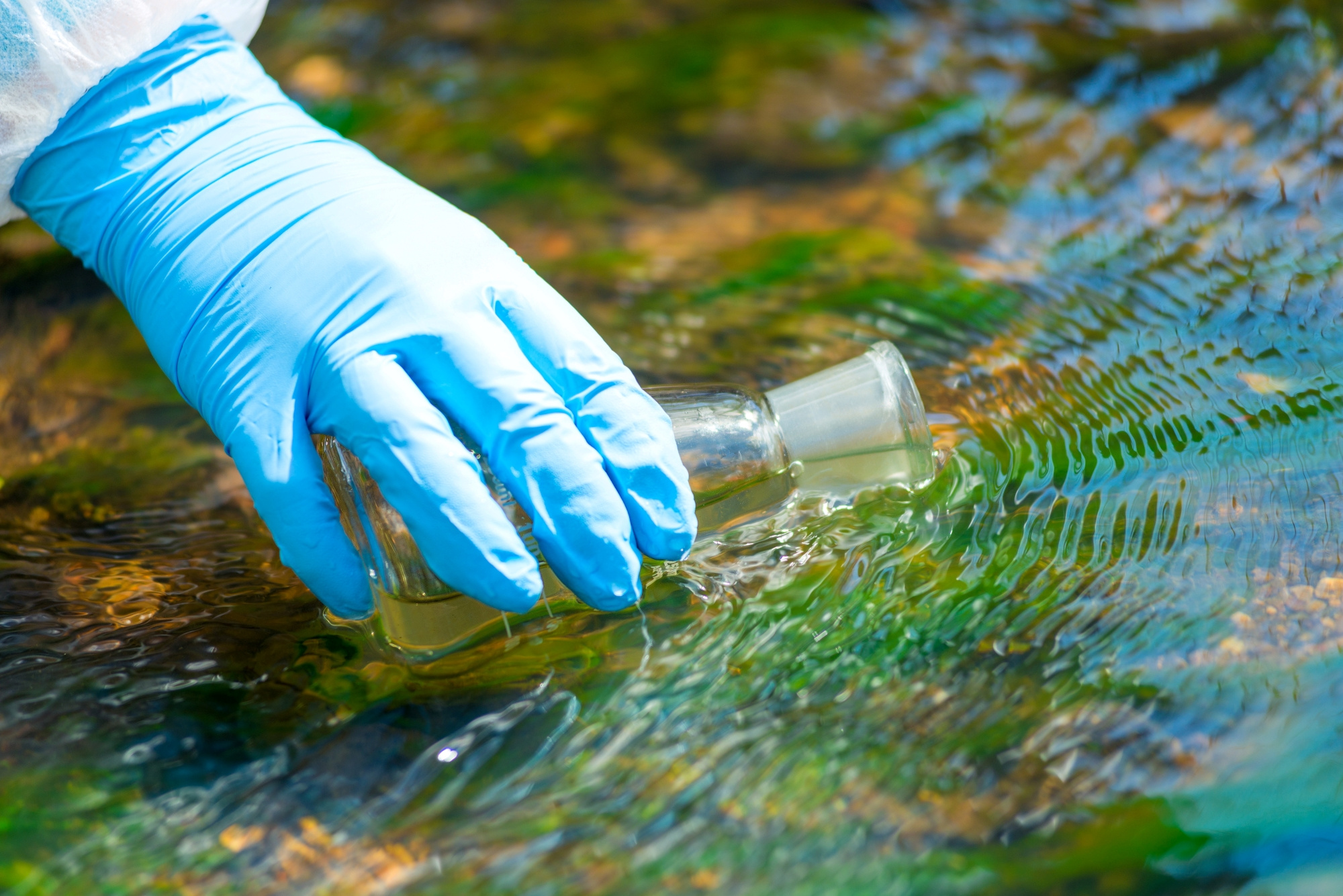





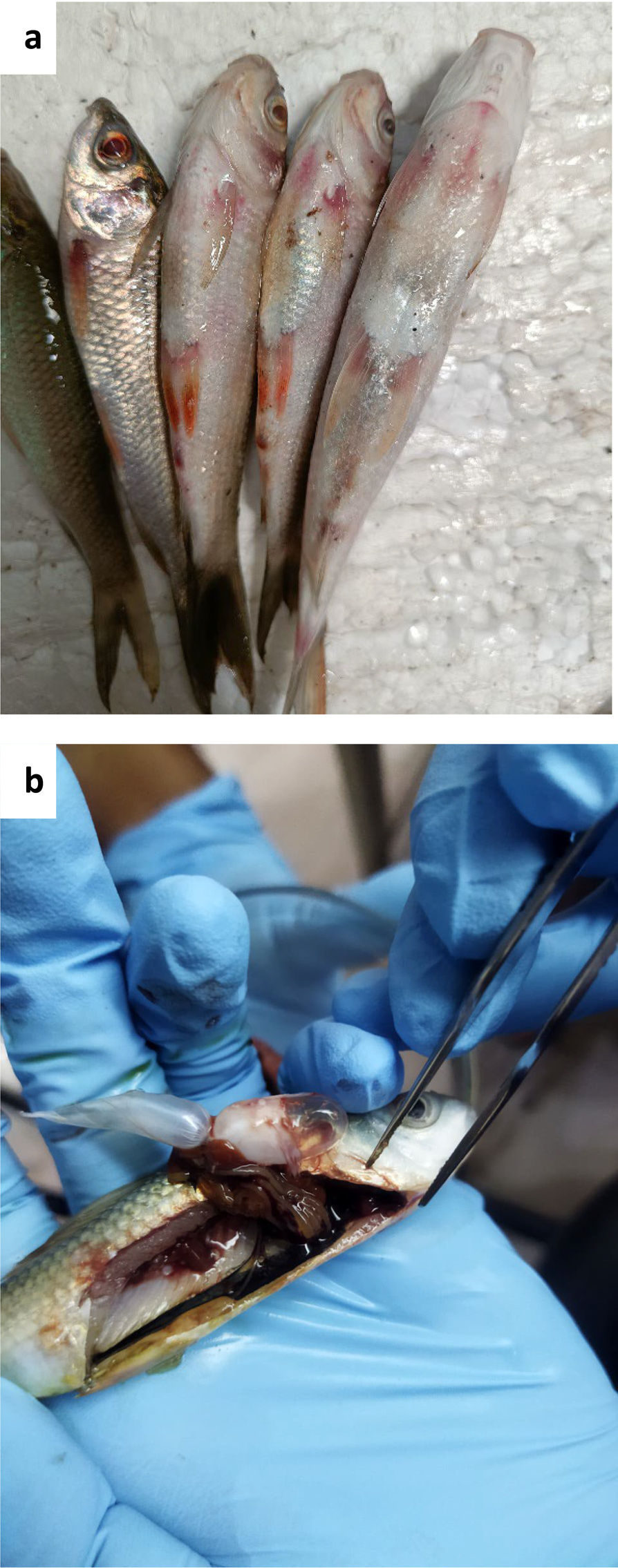

Springer Nature Collections are curated groups of articles within a journal that provide highly focused exploration of specific themes and emerging topics to enhance the visibility and impact of research. By contributing to a Collection, you can benefit from increased visibility, meaningful academic connections, and broader impact. This collection - from the journal Aquaculture Science and Management - focuses on the aquatic pathogen Aeromonas hydrophila.
Aeromonas hydrophila is a pathogen affecting a wide range of aquatic species, leading to severe economic losses and posing challenges to food security. Understanding the mechanisms by which Aeromonas hydrophila induces inflammation, alters intestinal morphology, and triggers antioxidant responses is essential for developing effective management strategies. As aquaculture continues to expand globally, the need for sustainable practices is urgent. The "Impact of Aeromonas hydrophila on Aquaculture: Inflammation, Intestinal Changes and Antioxidant Responses" collection in Aquaculture Science and Management focuses on this issue and invites contributions to the field. Topics of interest include but are not limited to:
- Mechanisms of inflammation in fish
- Intestinal morphology alterations
- Histopathological studies of Aeromonas infections
- Antioxidant responses in aquaculture species
- Disease management strategies
- Genetic resistance to Aeromonas hydrophila
- Environmental factors influencing disease outbreaks
- Impacts on aquaculture sustainability
“Impact of Aeromonas hydrophila on Aquaculture: Inflammation, Intestinal Changes and Antioxidant Responses” is led by Shivendra Kumar, Dr. Rajendra Prasad Central Agricultural University and Izzet Burçin Satıcıoğlu, Bursa Uludag University. The collection accepts original research, reviews and methodologies. As a new open access journal, we are able to cover the article processing charges for publications.
Professor Shivendra Kumar, PhD, Dr. Rajendra Prasad Central Agricultural University, India
Dr. Shivendra Kumar, Professor & Head, Department of Aquaculture, College of Fisheries, Dr. Rajendra Prasad Central Agricultural University, Pusa, Bihar involved in research, research based extension and teaching of graduate, post graduate and Ph.D students. Dr. Kumar pursued M.F.Sc and Ph.D in ‘Fish Nutrition and Biochemistry’ from ICAR – CIFE, Mumbai and post-doc in ‘Fish Nutrition’ at HAKI, Szarvas, Hungary.
Izzet Burçin Satıcıoğlu, PhD, Bursa Uludag University, Turkey
Dr. İzzet Burçin Satıcıoğlu is an Associate Professor of Veterinary Microbiology at Bursa Uludağ University, Faculty of Veterinary Medicine, Turkey, since 2022. He earned his Doctorate in Veterinary Sciences from Bursa Uludağ University in 2018, focusing on the genotypic characterization and prevalence of antimicrobial resistance genes in fish pathogens.
Follow the Topic
-
Aquaculture Science and Management
This is an open access peer-reviewed journal that aims to publish innovative research about the management of aquaculture species, the related food security considerations, and the industry’s relationship with the environment.

Related Collections
With Collections, you can get published faster and increase your visibility.
Synergizing aquaculture & blue carbon in a changing climate
Aquaculture Science and Management calls for contributions to a Collection centred on "Synergising aquaculture & blue carbon in a changing climate." We invite researchers to share original studies that investigate the intersection of aquaculture practices and blue carbon sequestration in coastal ecosystems. This Collection aims to elucidate how aquaculture can contribute to climate mitigation strategies, including the enhancement of carbon storage and the restoration of coastal habitats. Uniting four journals and scientific communities, this Collection is a part of the Climate Change and Livestock super Collection which highlights innovative, climate-smart approaches to safeguarding animal health and welfare across aquaculture, porcine, dairy and poultry. Topics of interest include but are not limited to:
- Carbon sequestration mechanisms in aquaculture
- Corporate or product level climate accounting for seafood
- Coastal ecosystem restoration practices
- Aquaculture systems and their climate resilience
- Integration of blue carbon strategies in fisheries
- Socioeconomic impacts of restorative aquaculture
- Policy frameworks for synergies in aquaculture and blue carbon
- Technological innovations in sustainable aquaculture practices
Join us in fostering interdisciplinary dialogues that highlight the critical role of aquaculture in the sustainability of our marine environments.
This Collection supports and amplifies research related to SDG 13, Climate Action and SDG 14, Life Under Water.
All submissions in this Collection undergo the journal’s standard peer review process. Similarly, all manuscripts authored by a Guest Editor(s) will be handled by the Editor-in-Chief. As a newly launched open access publication, this journal has waivers to cover article-processing charges (APCs). For more information about receiving a waiver, please contact alex.waite@springernature.com before submitting a manuscript. For additional support please visit OA funding and support, or email OAfundingpolicy@springernature.com or the Editor-in-Chief.
Publishing Model: Open Access
Deadline: Mar 25, 2027