Call for Papers: Isolation, Prevalence and Management of Salmonella in Poultry
Published in Microbiology, Sustainability, and Zoology & Veterinary Science

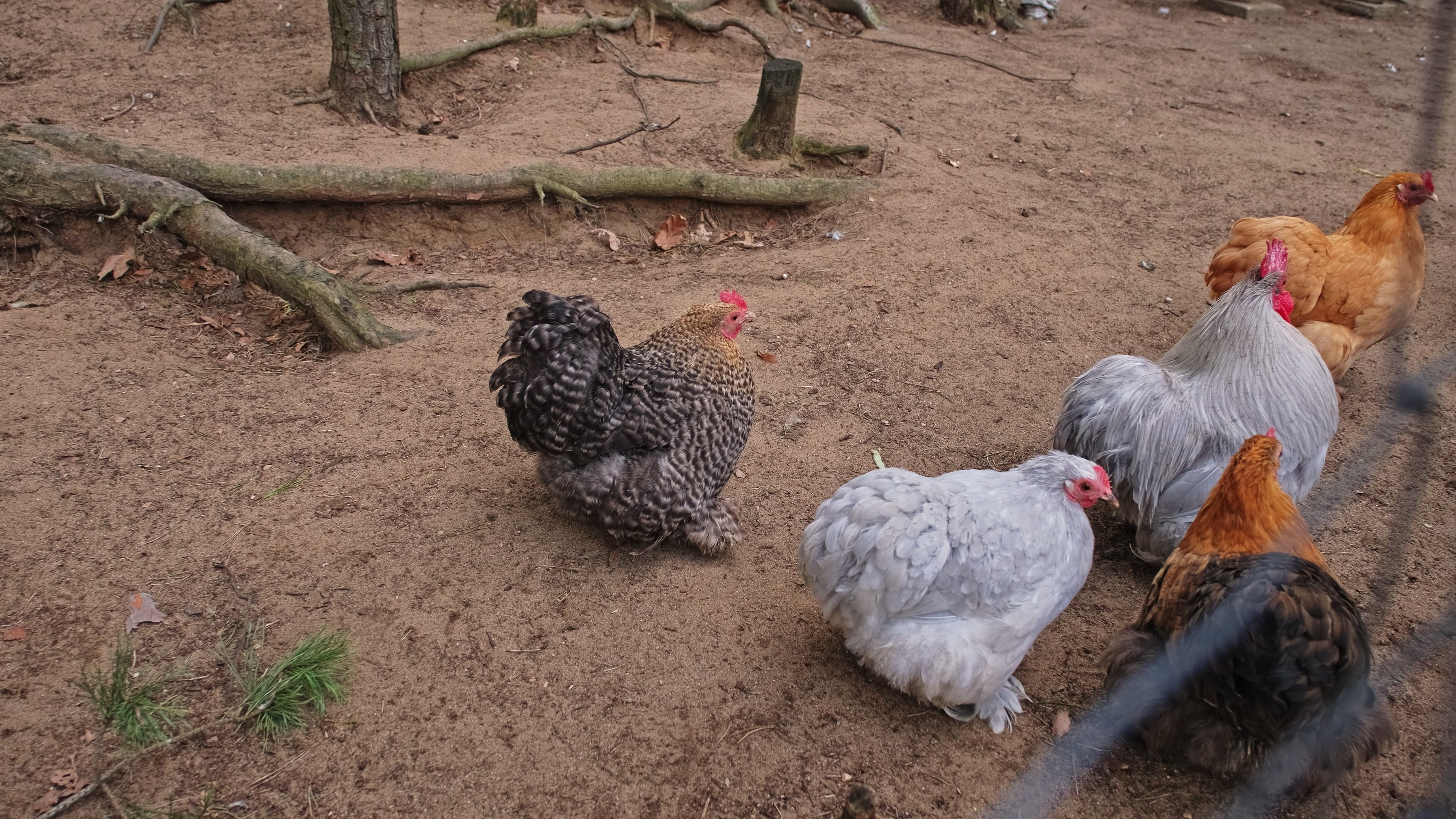





Springer Nature Collections are curated groups of articles within a journal that provide highly focused exploration of specific themes and emerging topics to enhance the visibility and impact of research. By contributing to a Collection, you can benefit from increased visibility, meaningful academic connections, and broader impact. This collection - from the journal Poultry Science and Management - highlights the management of salmonella in animal agriculture.
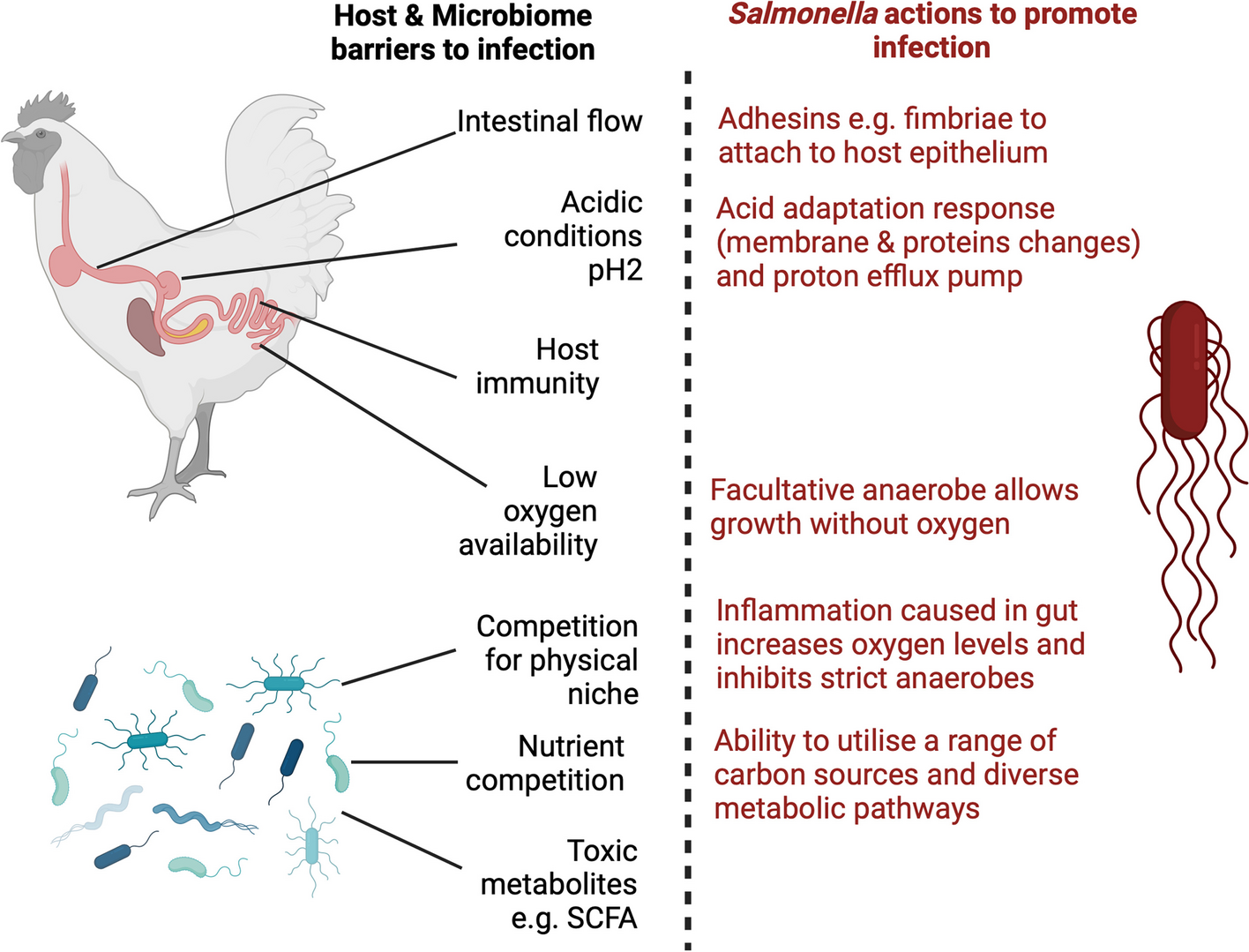
Salmonella infections remain a persistent challenge in poultry production, with extensive consequences for animal welfare, food safety and zoonotic disease transmission. For veterinary and microbiology researchers, this intersection presents a critical opportunity to advance our understanding of host-pathogen interactions, antimicrobial resistance and environmental reservoirs. The complexity of Salmonella epidemiology in poultry species demands integrated approaches - from molecular diagnostics and genomic surveillance to immunological profiling and vaccine development. Veterinary scientists are positioned to investigate host susceptibility, animal welfare and immune responses, while microbiologists contribute essential insights into bacterial resistance and enumeration.
We invite researchers to contribute to this Collection by submitting articles and reviews. Topics of interest include but are not limited to:
- Rapid identification and enumeration for Salmonella
- Prevalence studies in poultry populations
- Management strategies for animal salmonellosis
- Bacterial resistance and anti-infective agents
- Impact of Salmonella on food safety
- Epidemiological modeling of Salmonella transmission
- Animal welfare considerations in Salmonella control
- Policy implications for Salmonella management
“Isolation, Prevalence and Management of Salmonella in Poultry” is led by
Shabarinath Srikumar and Jinquan Wang. The collection accepts original research and reviews.
Shabarinath Srikumar PhD, Auburn University, Auburn, United States
Dr. Shabarinath Srikumar is an assistant professor at the Department of Poultry Science, College of Agriculture, Auburn University. His research interest focuses on understanding how pathogenic bacteria survive and proliferate in poultry meat and the environment. Studying the pathogen-food interactions at a molecular level will allow deep insights into how pathogenic bacteria alter their metabolic and regulatory profiles during adaptation to the different poultry environments. To this end, they will use different nucleic acid sequencing-based and other molecular microbiological assays on Salmonella typhimurium (and other select serotypes) as model organisms. Their goal is to develop data that will aid the development of novel technologies aimed at making food safer.
Jinquan Wang PhD, Auburn University, Auburn, United States
Dr. Jinquan Wang is an Assistant Research Professor in the Department of Poultry Science at Auburn University, where his work focuses on improving food safety and poultry production through one health approach. His current research includes identifying and evaluating Salmonella intervention strategies on reducing Salmonella colonization, transmission and persistence in poultry production.
Find out more and submit to the collection >
Follow the Topic
-
Poultry Science and Management
This is an open access peer-reviewed journal that aims to publish innovative research about the management of poultry animals for both meat and eggs, the production of poultry products and the related food security considerations.

Related Collections
With Collections, you can get published faster and increase your visibility.
Aspects of sustainable poultry production: strategies for managing heat stress and manure
Poultry Science and Management calls for research contributions related to sustainable poultry production, specifically targeting the management of heat stress in broilers as well as effective manure management practices. Uniting four journals and scientific communities, this Collection is a part of the Climate Change and Livestock super Collection which highlights innovative, climate-smart approaches to safeguarding animal health and welfare across aquaculture, porcine, dairy and poultry.Topics of interest include but are not limited to:
- Heat stress mitigation strategies
- Manure management technologies
- Barn climate optimisation
- Poultry breeding for resilience
- Environmental impact assessments
- Nutritional strategies for heat-stressed birds
- Waste recycling in poultry operations
- Economic implications of sustainable practices
Contributions can take the form of Original Research or Review Articles, focusing on advancing knowledge and practices within this area.
This Collection supports and amplifies research related to SDG 13: Climate Action and SDG 15: Life on Land.
All submissions in this Collection undergo the journal’s standard peer review process. Similarly, all manuscripts authored by a Guest Editor(s) will be handled by the Editor-in-Chief. As a newly launched open access publication, this journal has waivers to cover article-processing charges (APCs). For more information about receiving a waiver, please contact alex.waite@springernature.com before submitting a manuscript. For additional support please visit OA funding and support, or email OAfundingpolicy@springernature.com or the Editor-in-Chief.
Publishing Model: Open Access
Deadline: Feb 15, 2027