Call for papers: Catalyst design for C1 chemistry
Published in Chemistry and Sustainability


What is this collection about?
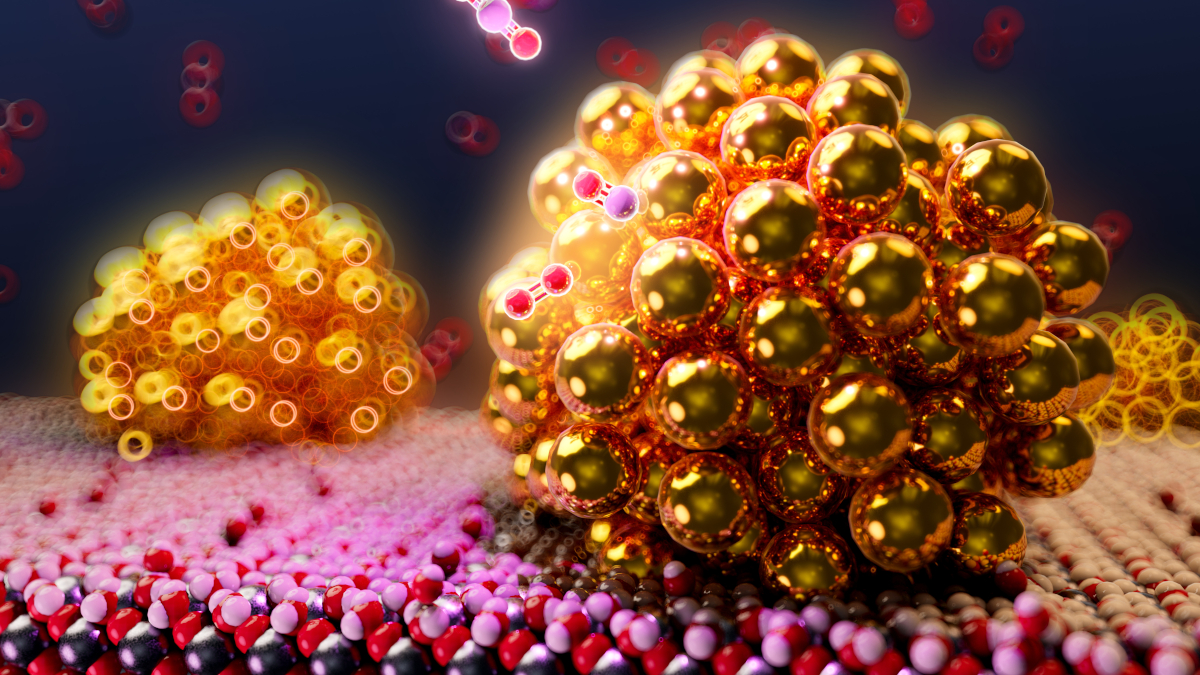
C1 chemistry underpins major industrial routes to fuels and chemicals and sits at the heart of carbon utilization and low carbon energy strategies. This Collection showcases how mechanistic understanding of active sites, reaction pathways, and deactivation can be translated into rational catalyst design to improve selectivity, stability, and process efficiency in heterogeneous thermocatalysis.
Why is this collection important?
This Collection supports and amplifies research related to Sustainable Development Goals 7 (Affordable and Clean Energy), 9 (Industry, Innovation and Infrastructure), 12 (Responsible Consumption and Production) and 13 (Climate Action). By bringing a mechanistic focus to catalyst design, it accelerates approaches to carbon utilization and low‑carbon energy strategies.
Why submit to a collection?
Collections like this one help promote high‑quality science. They are led by In‑House Editors who are experts in their fields and supported by a dedicated team of Commissioning Editors and Managing Editors at Springer Nature. Collection manuscripts typically see higher citations, downloads, and Altmetric scores, and provide a one‑stop‑shop on a cutting‑edge topic of interest.
Who is involved?
Nature Communications is edited by in-house professional editors.
Communications Chemistry is edited by both in-house professional editors and Editorial Board Members.
Communications Materials is edited by both in-house professional editors and Editorial Board Members.
Scientific Reports is managed by in-house professional editors and edited by Editorial Board Members.
Our editors work closely together to ensure the quality of our published papers and consistency in author experience.
How can I submit my paper?
Visit the Collection page to find out more about this collection and submit your article.
Follow the Topic
-
Nature Communications
An open access, multidisciplinary journal dedicated to publishing high-quality research in all areas of the biological, health, physical, chemical and Earth sciences.
-
Scientific Reports
An open access journal publishing original research from across all areas of the natural sciences, psychology, medicine and engineering.
-
Communications Chemistry
An open access journal from Nature Portfolio publishing high-quality research, reviews and commentary in all areas of the chemical sciences.
-
Communications Materials
A selective open access journal from Nature Portfolio publishing high-quality research, reviews and commentary in all areas of materials science.

Related Collections
With Collections, you can get published faster and increase your visibility.
Women's Health
Publishing Model: Hybrid
Deadline: Ongoing
Biosensing
Publishing Model: Hybrid
Deadline: Jun 30, 2026





Please sign in or register for FREE
If you are a registered user on Research Communities by Springer Nature, please sign in