Call for papers: Developmental epigenetics
Published in Cell & Molecular Biology and Genetics & Genomics

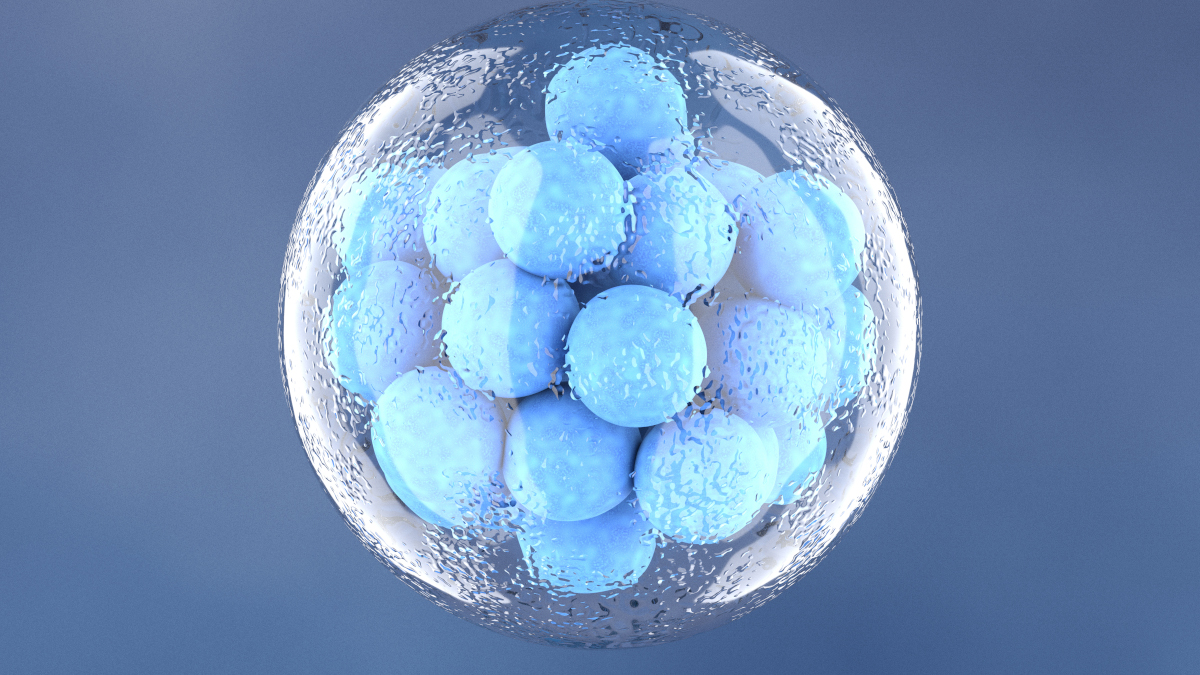
What is this collection about?
Developmental epigenetics examines how chromatin states, DNA methylation patterns, histone modifications, and three dimensional genome architecture are established, maintained, and remodeled to govern cell fate decisions over developmental time.
Recent advances in single cell and spatial genomics, embryo research, and stem cell–based models have revealed that epigenetic regulation can shape lineage commitment, developmental timing, and cellular plasticity. These studies show that epigenetic states integrate intrinsic transcriptional programs with signalling, metabolic, and environmental inputs, and that disruption of these processes underlies developmental abnormalities and long term disease risk.
The editors at Communications Biology now invite mechanistic studies that advance understanding of epigenetic regulation in development using in vivo systems, organoids, or other model systems. We will mainly consider original research Articles but Reviews, and Perspectives are also welcome.
Why submit to a collection?
Collections like this one help promote high-quality science. They are led by professional In-House Editors (and sometimes expert Guest Editors) and supported by a dedicated team of Commissioning Editors and Managing Editors at Springer Nature. Collection manuscripts typically see higher citations, downloads, and Altmetric scores, and provide a one-stop-shop on a cutting-edge topic of interest.
This Collection welcomes submissions from all authors – and not by invitation only – on the condition that the manuscripts fall within the scope of the Collection and of Communications Biology more generally. See our editorial process page for more details. All manuscripts published in the collection are hosted on a dedicated nature portfolio portal, giving articles high visibility beyond the journal they are published in.
Who is involved?
Communications Biology is edited by both in-house professional editors and Editorial Board Members.
Our editors work closely together to ensure the quality of our published papers and consistency in author experience.
How can I submit my paper?
Visit the Collection page to find out more about this collection and submit your article.
Follow the Topic
-
Communications Biology
An open access journal from Nature Portfolio publishing high-quality research, reviews and commentary in all areas of the biological sciences, representing significant advances and bringing new biological insight to a specialized area of research.

Related Collections
With Collections, you can get published faster and increase your visibility.
Healthy Aging
Publishing Model: Open Access
Deadline: Dec 31, 2026
DNA repair and human disease
Publishing Model: Hybrid
Deadline: Oct 31, 2026