Call for papers: Electric Vehicle Battery Repurposing, Recycling and Regenerating
Published in Materials and Sustainability


What is this collection about?
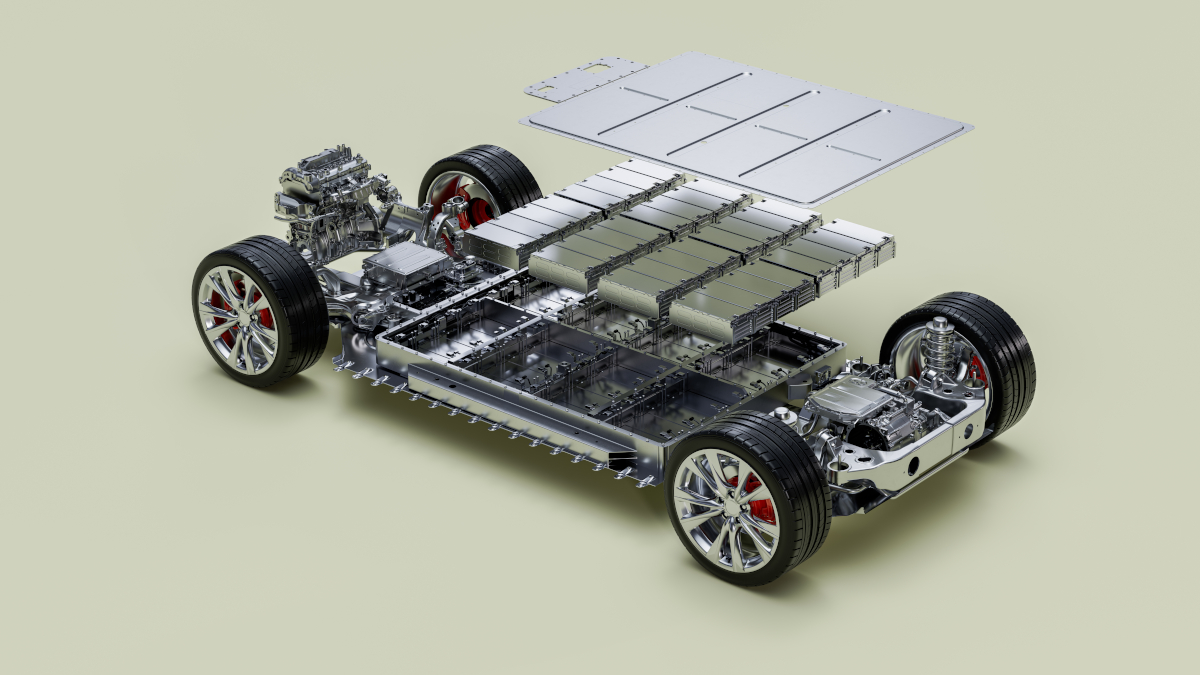
This Collection focuses on research related to the repurposing, recycling, and regeneration of electric vehicle lithium‑ion batteries (LiBs). As demand for EVs increases, large volumes of batteries will reach end of life, presenting both a waste‑management challenge and an opportunity to support the green energy transition and Net Zero targets.
The Collection highlights approaches to battery reuse in alternative applications, such as stationary energy storage, alongside recycling strategies to recover valuable and critical materials including lithium, nickel, cobalt, and graphite. It also encompasses regeneration methods that restore electrode materials toward full performance, extending battery lifetimes and reducing resource demand.
Why is this collection important?
This Collection supports and amplifies research related to Sustainable Development Goal 7: Affordable and Clean Energy, highlighting solutions that contribute to sustainable energy storage, resource efficiency, and long‑term deployment of electric vehicles technologies.
Why submit to a collection?
Collections like this one help promote high-quality science. They are led by Guest Editors and In-House Editors who are experts in their fields and supported by a dedicated team of Commissioning Editors and Managing Editors at Springer Nature. Collection manuscripts typically see higher citations, downloads, and Altmetric scores, and provide a one-stop-shop on a cutting-edge topic of interest.
Who is involved?
Communications Engineering is edited by both in-house professional editors and Editorial Board Members. For this Collection, Elizabeth Driscoll, Jiangong Zhu and members of the Editorial Board will handle submissions to Communications Engineering.
Nature Communications is edited by in-house professional editors.
Scientific Reports is edited by both in-house professional editors and Editorial Board Members.
Our editors work closely together to ensure the quality of our published papers and consistency in author experience.
Guest Editors for Communications Engineering
Elizabeth Driscoll, PhD, University of Birmingham, United Kingdom
Dr Lizzie Driscoll is an Assistant Professor in Energy Materials, a co-investigator on the Faraday Institution’s flagship recycling programme – ReLiB Global, and holds a prestigious Royal Academy of Engineering Research Fellowship to pursue design-for-recycling in next generation high-power batteries. She has over a decade of experience within the energy materials sector, covering energy generation materials, energy storage, recycling and educational resources. Her current focus is on design-for-recycling approaches to ensure next-generation technologies are safe, sustainable and recyclable.
Jiangong Zhu, PhD, Tongji University, China
Dr Jiangong Zhu is an Associate Professor in the School of Automotive Studies at Tongji University, China. His research interests include electric vehicles, lithium-ion batteries, battery lifetime and safety management, state estimation, and battery modeling. His current research focus is on applying the ex-situ (post-mortem analysis) and in-situ methods (e.g., impedance, neutron powder diffraction) to investigate the battery degradation, and inventing new science methods (e.g., machine learning and optimization) to prognose the battery state of health and manage the power battery lifespan. His research has been sponsored by National Natural Science Foundation of China and awarded “Shanghai Overseas High-Level Talent Recruitment Program” in 2021.
How can I submit my paper?
Visit the Collection page to find out more about this collection and submit your article.
Follow the Topic
-
Nature Communications
An open access, multidisciplinary journal dedicated to publishing high-quality research in all areas of the biological, health, physical, chemical and Earth sciences.
-
Scientific Reports
An open access journal publishing original research from across all areas of the natural sciences, psychology, medicine and engineering.
-
Communications Engineering
A selective open access journal from Nature Portfolio publishing high-quality research, reviews and commentary in all areas of engineering.



Related Collections
With Collections, you can get published faster and increase your visibility.
Women's Health
Publishing Model: Hybrid
Deadline: Ongoing
Cancer Prevention and Control
Publishing Model: Hybrid
Deadline: Feb 19, 2027