Call for papers: Functional Connectivity in Psychiatric Disorders
Published in Bioengineering & Biotechnology, Cell & Molecular Biology, and Pharmacy & Pharmacology
What is this collection about?
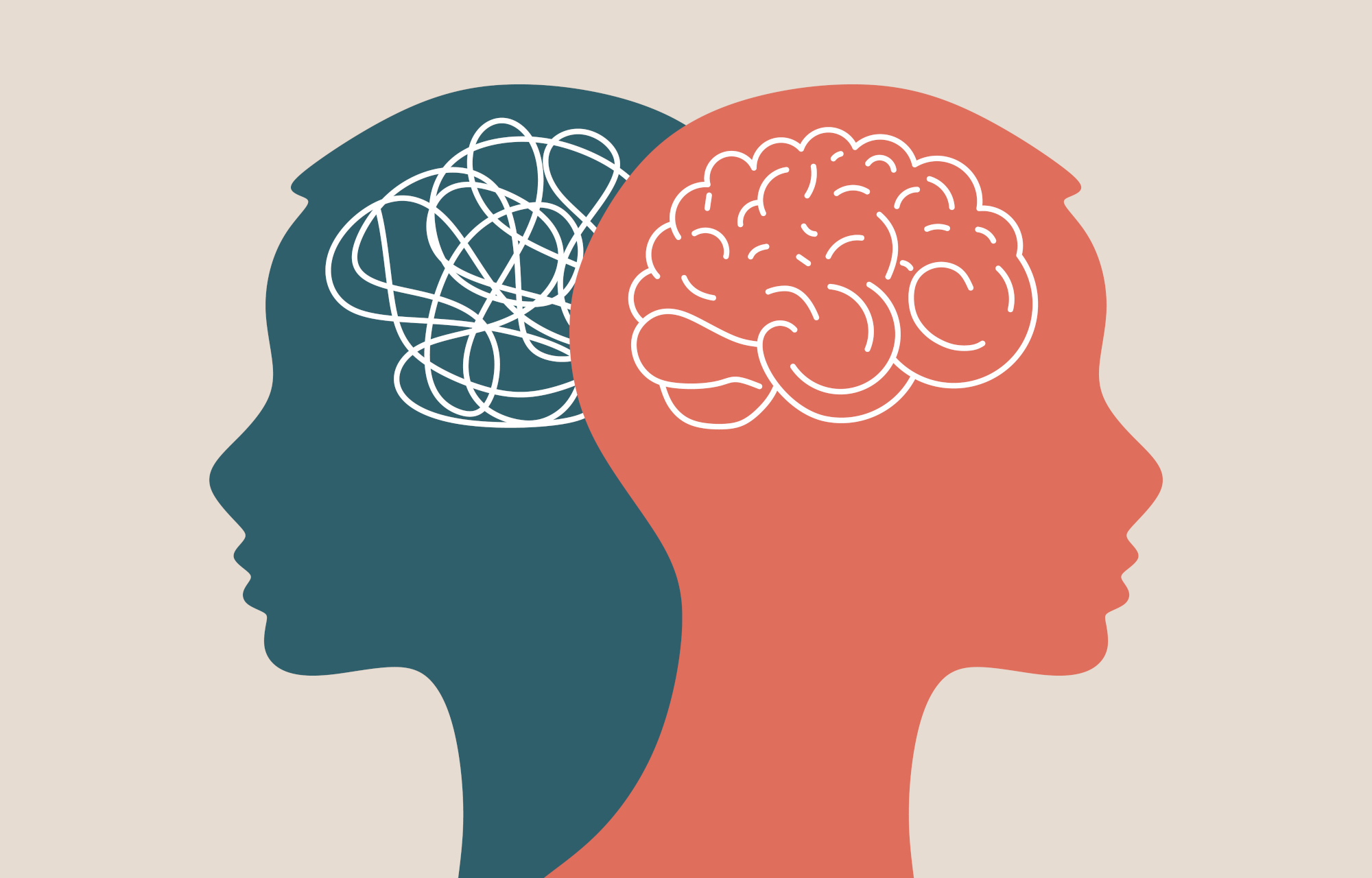
Psychiatric disorders are increasingly understood as disorders of brain circuits rather than isolated brain regions. Advances in functional neuroimaging, electrophysiology, computational modelling, machine learning and multimodal data integration are enabling researchers to characterise brain networks across health and disease. This Collection seeks research on functional connectivity alterations across psychiatric disorders, network-level mechanisms, connectivity biomarkers, multimodal imaging studies, developmental changes in brain networks, intervention effects and computational methods. Original research, Reviews and Perspectives are welcome.
Why is this collection important?
Understanding how brain networks function and become disrupted is essential for improving the diagnosis, prognosis and treatment of psychiatric disorders. By bringing together studies that span fundamental circuit mechanisms through to clinical applications, this Collection highlights a rapidly evolving area at the intersection of neuroscience, psychiatry and data science. We are excited by the potential of emerging analytical approaches, multimodal datasets and computational tools to deliver new insights into mental health. This multi-journal Collection also supports United Nations Sustainable Development Goal 3: Good Health and Well-being.
Why submit to a collection?
Collections like this one help attract and promote high-quality science. They are led by internal In-House Editors and supported by a dedicated team of Commissioning Editors and Managing Editors at Springer Nature. Collection manuscripts typically see higher citations, downloads, and Altmetric scores, and provide a one-stop-shop on a cutting-edge topic of interest.
Who is involved?
Communications Biology is edited by both in-house professional editors and Editorial Board Members.
Guest Editors for Communications Biology:
Sahar Ahmad, PhD, The University of North Carolina at Chapel Hill, USA
Dr. Sahar Ahmad is a Research Instructor within the Department of Radiology at The University of North Carolina, Chapel Hill, USA. Her research integrates neuroimaging, computational methods, and developmental neuroscience to capture the dynamic and multiscale changes occurring in the human brain across the lifespan.
Michel Thiebaut de Schotten, PhD, University of Bordeaux, France
Dr. Michel Thiebaut de Schotten received his PhD from la Sorbonne in Paris for his work on spatial neglect as a disconnection syndrome. As a postdoctoral researcher at the Institute of Psychiatry King's College London, he mapped the organisation of white matter anatomy in the healthy human living brain. Michel joined the French National Center for Scientific Research (CNRS) as a tenure- track researcher in 2012 and founded the BCBlab. He now conducts research on white matter anatomy, brain evolution, brain disconnections and new brain-behaviour associations. In 2014, he was awarded the prestigious British Neuropsychological Society's Early Career Award, the Elizabeth Warrington Prize as well as the European Society for Neuropsychology Cortex prize.
Bo-yong Park, PhD, Korea University, Republic of Korea
Dr. Bo-yong Park is an Associate Professor in the Department of Brain and Cognitive Engineering at Korea University. He received his PhD in Electrical and Computer Engineering from Sungkyunkwan University and completed his postdoctoral training at the Montreal Neurological Institute and Hospital, McGill University. His research focuses on multimodal neuroimaging and computational neuroscience, with an emphasis on developing computational methods for MRI analysis and translating them into clinically relevant applications for neurodevelopmental and neurodegenerative disorders.
Nature Communications is edited by in-house professional editors.
Nature Neuroscience is edited by in-house professional editors.
Nature Progress Brain Health is edited by in-house professional editors and Editorial Board Members.
Communications Medicine is edited by both in-house professional editors and Editorial Board Members.
Scientific Reports is managed by in-house professional editors and edited by Editorial Board Members.
Our editors work closely together to ensure the quality of our published papers and consistency in author experience.
How can I submit my paper?
Visit the Collection page to find out more about this collection and submit your article.

Follow the Topic
-
Communications Medicine
A selective open access journal from Nature Portfolio publishing high-quality research, reviews and commentary across all clinical, translational, and public health research fields.
-
Communications Biology
An open access journal from Nature Portfolio publishing high-quality research, reviews and commentary in all areas of the biological sciences, representing significant advances and bringing new biological insight to a specialized area of research.
-
Nature Communications
An open access, multidisciplinary journal dedicated to publishing high-quality research in all areas of the biological, health, physical, chemical and Earth sciences.
-
Scientific Reports
An open access journal publishing original research from across all areas of the natural sciences, psychology, medicine and engineering.
-
Nature Neuroscience
A multidisciplinary journal that publishes papers of the highest quality and significance in all areas of neuroscience, with contributions in molecular, cellular, systems and cognitive neuroscience, psychophysics, computational modeling and diseases of the nervous system.





Related Collections
With Collections, you can get published faster and increase your visibility.
Phytochemicals and health
Publishing Model: Open Access
Deadline: Oct 28, 2026
Women's Health
Publishing Model: Hybrid
Deadline: Ongoing