Call for papers: Marine viruses Collection
Published in Earth & Environment and Microbiology

Explore the Research
 Nature
Marine viruses
This Collection welcomes original research investigating marine viruses, including their role in biogeochemical cycles as well as their infection dynamics,…
Collection Overview
Scientific Reports has launched a Guest-Edited Collection on Marine viruses.
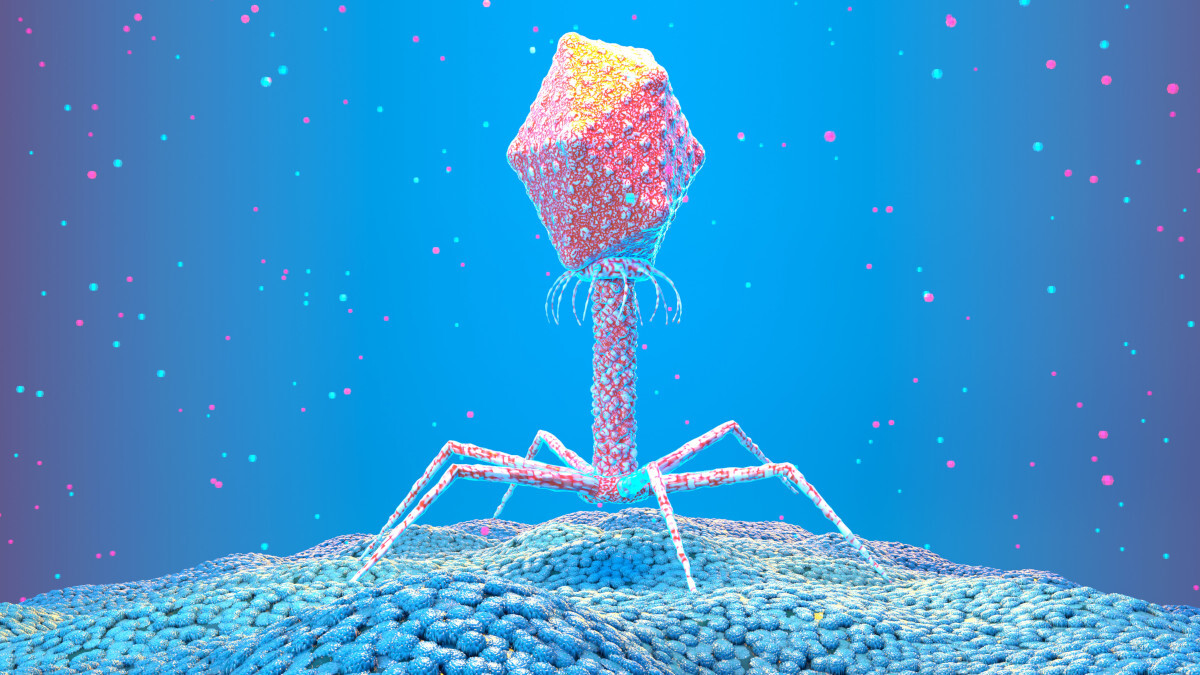
Viruses are abundant in the oceans. By lysing bacteria, algae and other microorganisms, they perform an important function in the marine carbon cycle. Their impact as a pathogen is also recognized at higher trophic levels, particularly in commercial fish species and marine mammals.
This will be a Collection of original research papers and will be open for submissions from all authors – on the condition that the manuscripts fall within the scope of the Collection and of Scientific Reports more generally. Narrative review articles are also welcomed, to our sister journal Scientific Reviews. We are welcoming submissions until 31st July 2026.
Why is this Collection important?
"Viruses are essential components of aquatic ecosystems. Through the infection and lysis (death) of bacteria and phytoplankton they control the population dynamics, nutrient cycles and evolution of these essential organisms. This Collection provides an exciting opportunity to bring together research on aquatic virology from lab, field and modelling efforts to enhance our knowledge on these important components of the ecosystem. This Collection will serve as a great resource for the field for understanding current research on aquatic viruses. Researchers should submit to this Collection to enhance the reach of their work and also put it into an interdisciplinary context through this collection. "
- Dr. Kyle Mayers, Guest Editor
Why submit to a collection?
Collections like this one help promote high-quality science. They are led by Guest Editors, who are experts in their fields, and In-House Editors and are supported by a dedicated team of Commissioning Editors and Managing Editors at Springer Nature. Collection manuscripts typically see higher citations, downloads, and Altmetric scores and provide a one-stop-shop on a cutting-edge topic of interest.
Who is involved?
Guest Editors:
- Kyle Mayers, NORCE Research, Norway
- André Soares, University of Duisburg-Essen, Essen, Germany
Internal Team:
- In-House Editor: Will Bultitude, Scientific Reports, UK
- Commissioning Editor: Ashiya Salim, Fully OA Brands, Springer Nature, UK
- Managing Editor: Libby Symons, Fully OA Brands, Springer Nature, UK
How can I submit my paper?
Visit the Collection page for more information on the Collection, and how to submit your article.
Follow the Topic
-
Scientific Reports
An open access journal publishing original research from across all areas of the natural sciences, psychology, medicine and engineering.
-
A Collection of original research articles investigating marine viruses, including their role in biogeochemical cycles as well as their infection dynamics, host-virus interactions, and the diversity of marine viruses.

Related Collections
With Collections, you can get published faster and increase your visibility.
Computational biology and mathematical modelling of biological systems
Publishing Model: Open Access
Deadline: Jul 18, 2026
Water pollution and advanced treatment processes
Publishing Model: Hybrid
Deadline: May 31, 2026




Please sign in or register for FREE
If you are a registered user on Research Communities by Springer Nature, please sign in