Call for papers: Myeloid cell function and dysfunction Collection
Published in General & Internal Medicine




Collection Overview
Scientific Reports has launched a Guest-Edited Collection on Myeloid cell function and dysfunction.
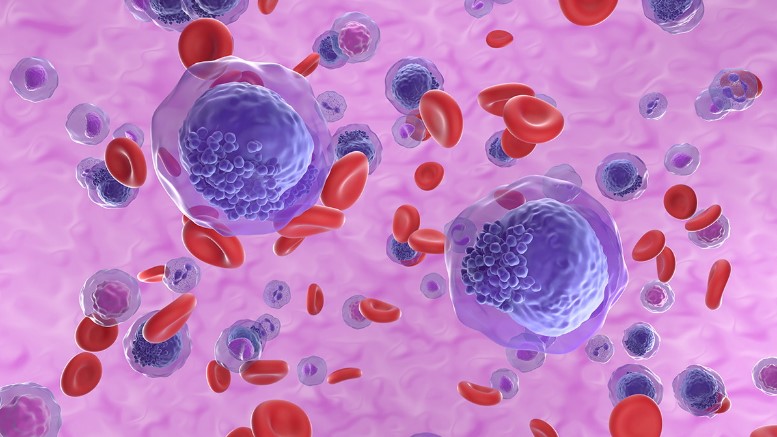
Derived from a common myeloid progenitor in bone marrow, multiple types of myeloid cells exist, such as those that are mononuclear (i.e. macrophages, monocytes and dendritic cells) and polynuclear (i.e. mast cells, basophils, eosinophils, and neutrophils). The functional diversity of these cells is vast, ranging from maintenance of innate immunity to regulation of tissue damage and organ homeostasis, while their dysregulation can result in disease, e.g. myelodysplastic-myeloproliferative diseases and autoimmunity. In particular, research in this field incorporates aspects of myeloid cell biology, such as basic function, cellular cross-talk, auto-immunity, and their role in disease, particularly, tumorigenesis and growth.
This will be a Collection of original research papers and will be open for submissions from all authors – on the condition that the manuscripts fall within the scope of the Collection and of Scientific Reports more generally. We are welcoming submissions until 28th December 2025.
Why is this Collection important?
"Understanding myeloid cell function and dysfunction is essential to uncovering how these versatile immune cells regulate inflammation, tissue repair, and disease. This Collection brings together research spanning fundamental myeloid biology to their roles in autoimmunity, malignancy, and other pathological processes. "
- Dr. Shelby Bollen, In House Editor
Why submit to a collection?
Collections like this one help promote high-quality science. They are led by Guest Editors, who are experts in their fields, and In-House Editors and are supported by a dedicated team of Commissioning Editors and Managing Editors at Springer Nature. Collection manuscripts typically see higher citations, downloads, and Altmetric scores and provide a one-stop-shop on a cutting-edge topic of interest.
Who is involved?
Guest Editors:
- Wansu Park, Gachon University, Seong-nam, South Korea
- Lionel F. Poulin, University of Lille, Lille, France
Internal Team:
- In-House Editor: Shelby Bollen, Scientific Reports, UK
- Commissioning Editor: Sophie Gray, Fully OA Brands, Springer Nature, UK
- Managing Editor: Libby Symons, Fully OA Brands, Springer Nature, UK
How can I submit my paper?
Visit the Collection page for more information on the Collection, and how to submit your article.
Follow the Topic
-
Scientific Reports
An open access journal publishing original research from across all areas of the natural sciences, psychology, medicine and engineering.
-
A Collection of original research articles that advance our understanding of the functional aspects of myeloid cells and the consequences of their dysfunction.

Related Collections
With Collections, you can get published faster and increase your visibility.
Cancer Prevention and Control
Publishing Model: Hybrid
Deadline: Feb 19, 2027
Healthy Aging
Publishing Model: Open Access
Deadline: Dec 31, 2026