Call for papers: Porous Materials for Carbon Dioxide Capture and Utilization
Published in Materials

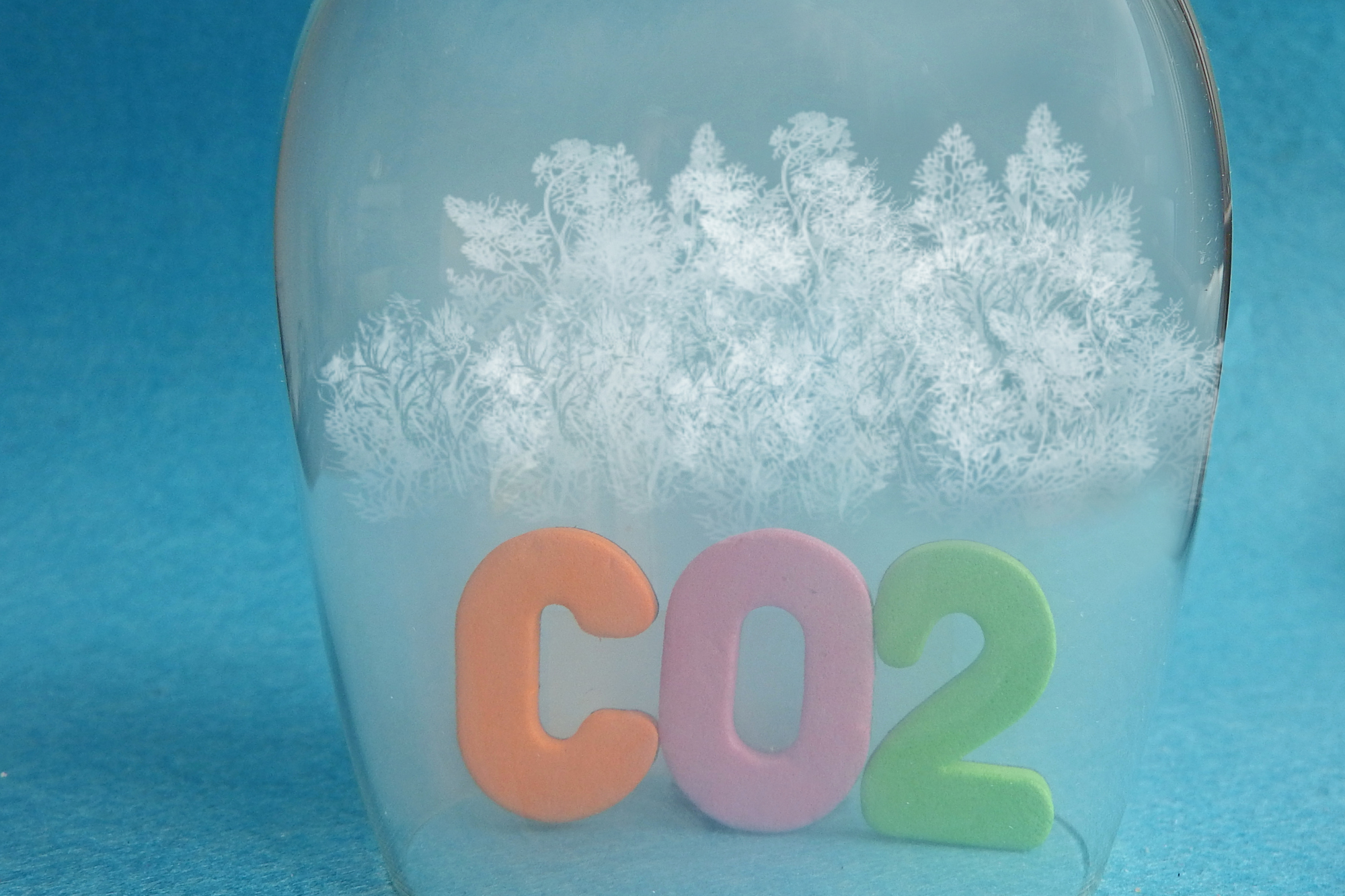


What is this collection about?
Rising greenhouse gas emissions have intensified the need for sustainable carbon management strategies. Carbon dioxide capture, utilization, and storage technologies offer promising routes to reduce emissions, but their widespread deployment remains limited by energy and cost challenges. Advanced materials play a central role in improving carbon capture and conversion processes. In particular, porous materials have attracted significant interest owing to their high carbon dioxide uptake, tunable physicochemical properties, and versatility across a wide range of applications. Advances in the computational design, scalable synthesis, stability, and regeneration of these materials are further accelerating progress toward practical carbon management solutions.
With this cross-journal Collection, the editors at Nature Communications and Communications Materials invite manuscripts that highlight recent advances in porous materials for carbon dioxide capture and utilization, including but not limited to:
- Metal–organic frameworks (MOFs)
- Polymeric membranes
- Mixed-matrix membranes
- Porous carbon-based materials
- Porous organic polymers
- Covalent organic frameworks (COFs)
- Zeolites and molecular sieves
Nature Communications, Communications Materials will consider original Articles, Reviews and Perspectives.
Why is this collection important?
This collection supports and amplifies research related to SDG 13 - Climate Action.
Why submit to a collection?
Collections like this one help promote high-quality science. They are led by In-House Editors who are experts in their fields and supported by a dedicated team of Commissioning Editors and Managing Editors at Springer Nature. Collection manuscripts typically see higher citations, downloads, and Altmetric scores, and provide a one-stop-shop on a cutting-edge topic of interest.
Who is involved?
This is a cross-journal Collection involving Nature Communications and Communications Materials. Authors are welcome to submit to any of the participating journals. All manuscripts published in the collection are hosted on a dedicated nature portfolio portal, giving articles high visibility beyond the journal they are published in.
How can I submit my paper?
Visit the Collection page to find out more about this collection and submit your article.
Follow the Topic
-
Nature Communications
An open access, multidisciplinary journal dedicated to publishing high-quality research in all areas of the biological, health, physical, chemical and Earth sciences.
-
Communications Materials
A selective open access journal from Nature Portfolio publishing high-quality research, reviews and commentary in all areas of materials science.
Related Collections
With Collections, you can get published faster and increase your visibility.
Women's Health
Publishing Model: Hybrid
Deadline: Ongoing
Lead-free perovskite solar cells
Publishing Model: Open Access
Deadline: Oct 31, 2026