Celebrating World IVF Day 2025
Published in General & Internal Medicine, Pharmacy & Pharmacology, and Paediatrics, Reproductive Medicine & Geriatrics
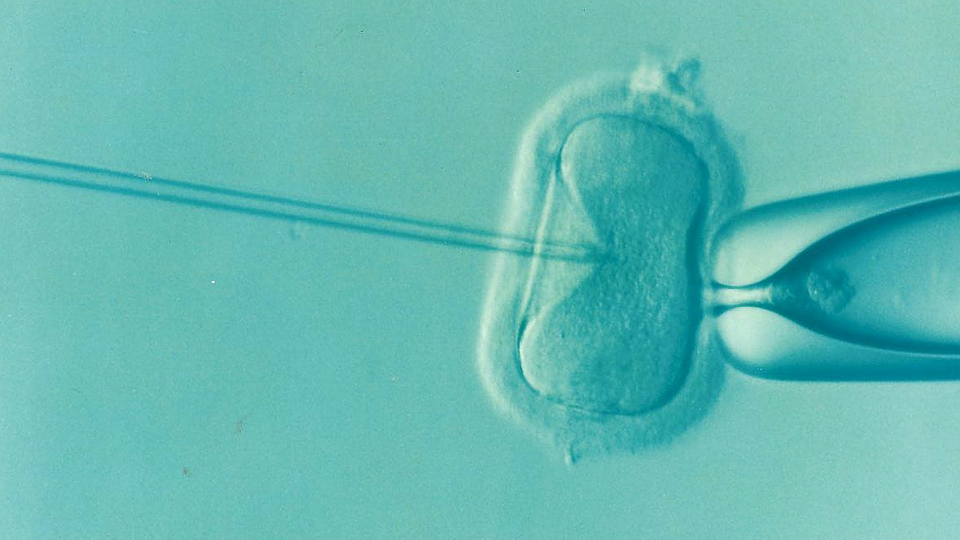





Celebrating World IVF Day
World IVF Day is celebrated on 25th July each year. The day serves as both a scientific milestone and a symbol of progress in addressing infertility through advanced biomedical research. IVF represents decades of interdisciplinary collaboration, drawing from embryology, endocrinology, genetics, and clinical practice. On World IVF Day, academic and medical communities reflect on the evolution of assisted reproductive technologies (ART), examine ongoing ethical considerations, and explore the future potential of fertility science. It is a day to recognise the impact that rigorous research and innovation continue to have on individual lives and global reproductive health.
Central to this scientific journey is the continuous dissemination of cutting-edge research, and Reproductive Biology and Endocrinology (RBE) plays a key role in this effort. As a leading open-access journal in the field, RBE provides a platform for high-quality research that advances our understanding of reproductive physiology, hormonal regulation, and clinical innovations in fertility treatment. Through its rigorous peer-review process and commitment to publishing impactful findings, RBE supports the global research community in addressing the challenges and opportunities within IVF and reproductive medicine.
Articles
- Triggering final follicular maturation for IVF cycles
- United States racial/ethnic disparities in PGT-A use: an analysis of 2014–2020 SART CORS database
- Preimplantation genetic testing for aneuploidy on previously cryopreserved unbiopsied blastocysts: a cohort study in women with IVF pregnancy loss
- Who freezes her eggs and why? psychological predictors, reasons, and outcomes of social egg freezing
Collections
Experience with Private Equity Involvement in IVF Clinics: The Good, The Bad, The Ugly
 This collection aims to explore the multifaceted impact of private equity (PE) involvement in IVF clinic operations. The rationale behind this investigation is to understand how the infusion of PE capital influences various aspects of fertility treatments, including patient care, research quality, and overall clinic performance. By examining both the positive and negative outcomes, this collection seeks to provide a balanced perspective on the role of PE in the healthcare sector.
Submit now!
Prevalence, Cost-Effectiveness, and Outcomes of Medical and Social Egg Cryopreservation
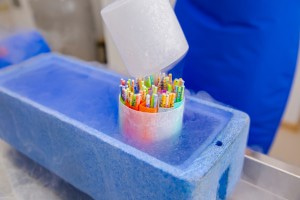 This collection aims to explore the essential and dynamic area of egg cryopreservation, paying attention to the various dimensions of egg freezing, a technology that is becoming increasingly significant in both medical and social spheres.
AI in IVF and Embryology Lab
 This complete collection brings together pioneering work on integrating artificial intelligence into assisted reproductive technologies. It features studies ranging from machine learning-based semen quality prediction and workflow-enhancing RFID systems in IVF labs to embryo scoring, non‑invasive chromosome screening, and live birth outcome modeling. Highlights include deep learning models for sperm detection and embryo grading, AI-guided embryo aneuploidy prediction, and personalised treatment optimisations based on clinical data.
As we reflect on the remarkable progress made since the first successful IVF birth, it is clear that the journey of reproductive medicine continues to evolve through dedicated scientific inquiry and collaboration. Reproductive Biology and Endocrinology stands at the forefront of this advancement, providing a vital platform for researchers and clinicians to share innovations that shape the future of assisted reproduction. By publishing high-quality, peer-reviewed studies, RBE plays a critical role in advancing both scientific knowledge and clinical practice. Check out more of our content here.
Happy IVF Day!

Before joining Springer Nature in 2021, Tamara completed an MBio in Biomedical Sciences at the University of Warwick and now manages a portfolio of women's and reproductive health journals. She also chairs the Springer Nature SDG3 group.
Follow the Topic
-
Reproductive Biology and Endocrinology

This journal publishes and disseminates high quality results from excellent research in the reproductive sciences.
Your space to connect: The Primary immunodeficiency disorders Hub
A new Communities’ space to connect, collaborate, and explore research on Clinical Medicine, Immunology, and Diseases!
Continue reading announcementRelated Collections
With Collections, you can get published faster and increase your visibility.
Research Integrity in Reproductive Medicine
Publishing Model: Open Access
Deadline: Ongoing





Please sign in or register for FREE
If you are a registered user on Research Communities by Springer Nature, please sign in