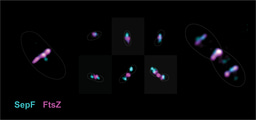
Cracking the Archaeal Cell Wall: How a hydrolase overturned a 50-year-old paradigm
Published in Microbiology and Cell & Molecular Biology
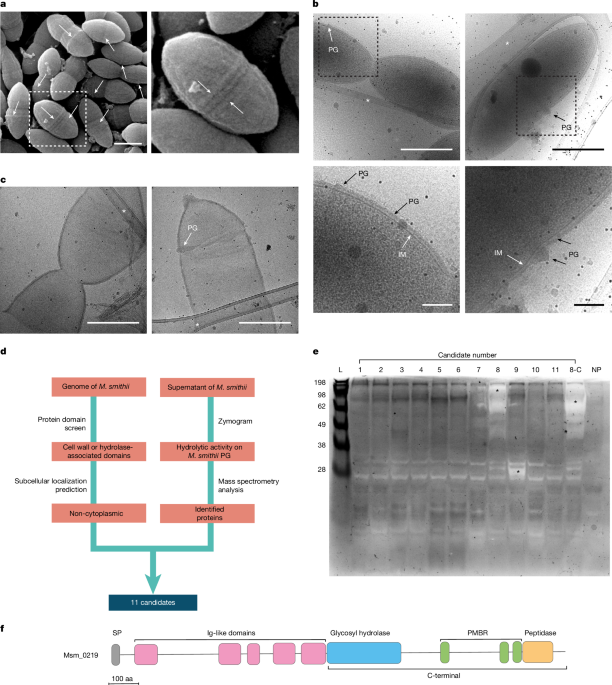

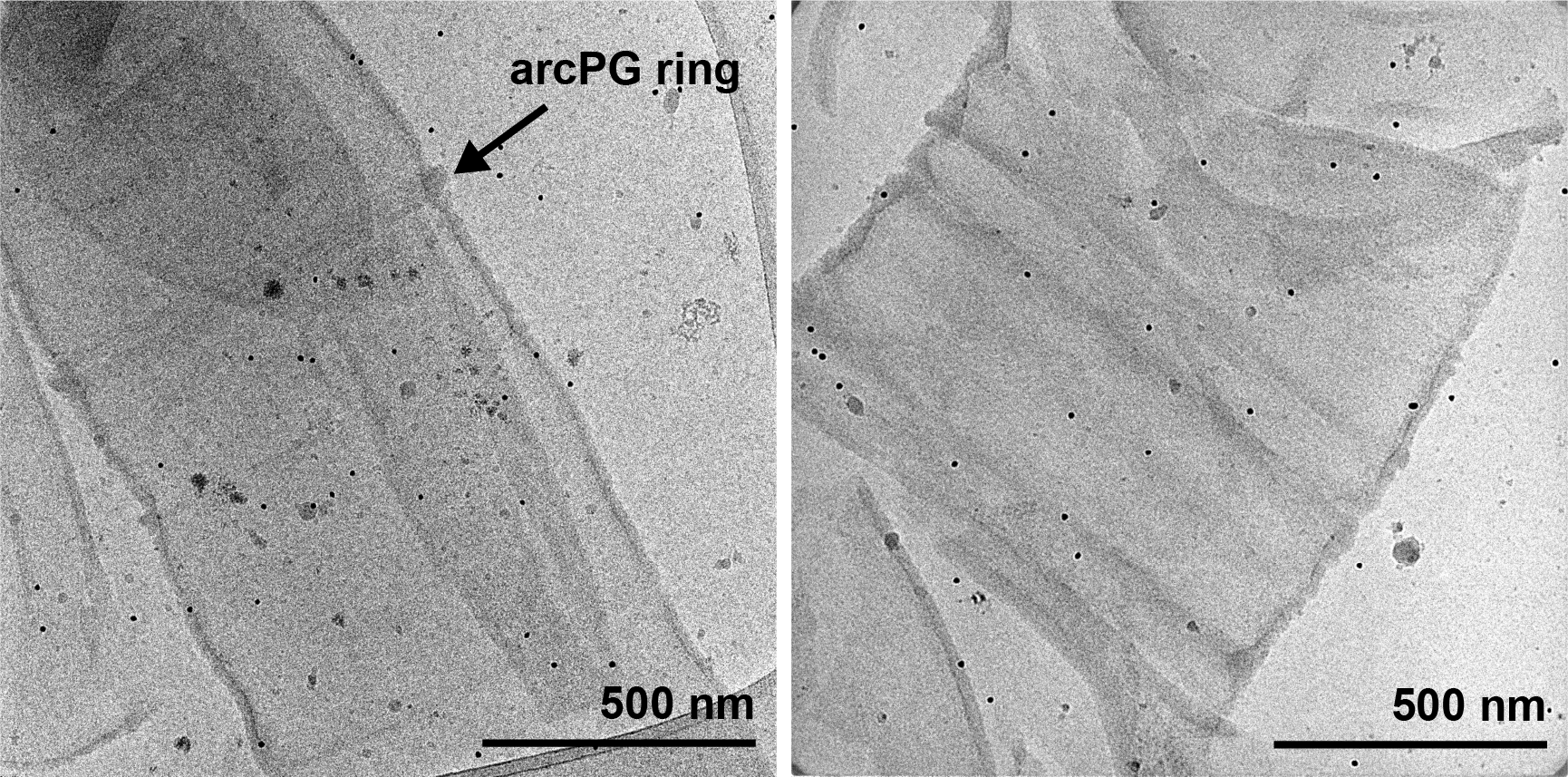
Nika: During my postdoc at the Institut Pasteur, in Simonetta Gribaldo's group (early 2019) I was trying to permeabilize the cell wall of Methanobrevibacter smithii for immunolabelling to study cell division. No commercially available enzyme (Zymolase, lysozyme, mutanolysin, etc) was working. Around this time, Simonetta started collaborating with Ivo Gomperts Boneca, the in-house expert on bacterial peptidoglycan, on the cell wall of archaeal methanogens. Together with Richard Wheeler, a postdoc in Ivo’s lab, we established a robust protocol to purify archaeal peptidoglycan (arcPG) in high yields. As a big lover of any type of microscopy and curious, I brought my M. smithii cells and newly purified arcPG to Anna Sartori-Rupp at the Cryo-EM facility. Anna and I often saw a thicker PG ring at the future division plane, visible in the purified sacculi too — some of which had peculiar shapes, a bit like… let’s say nylon tights (Fig. 1).
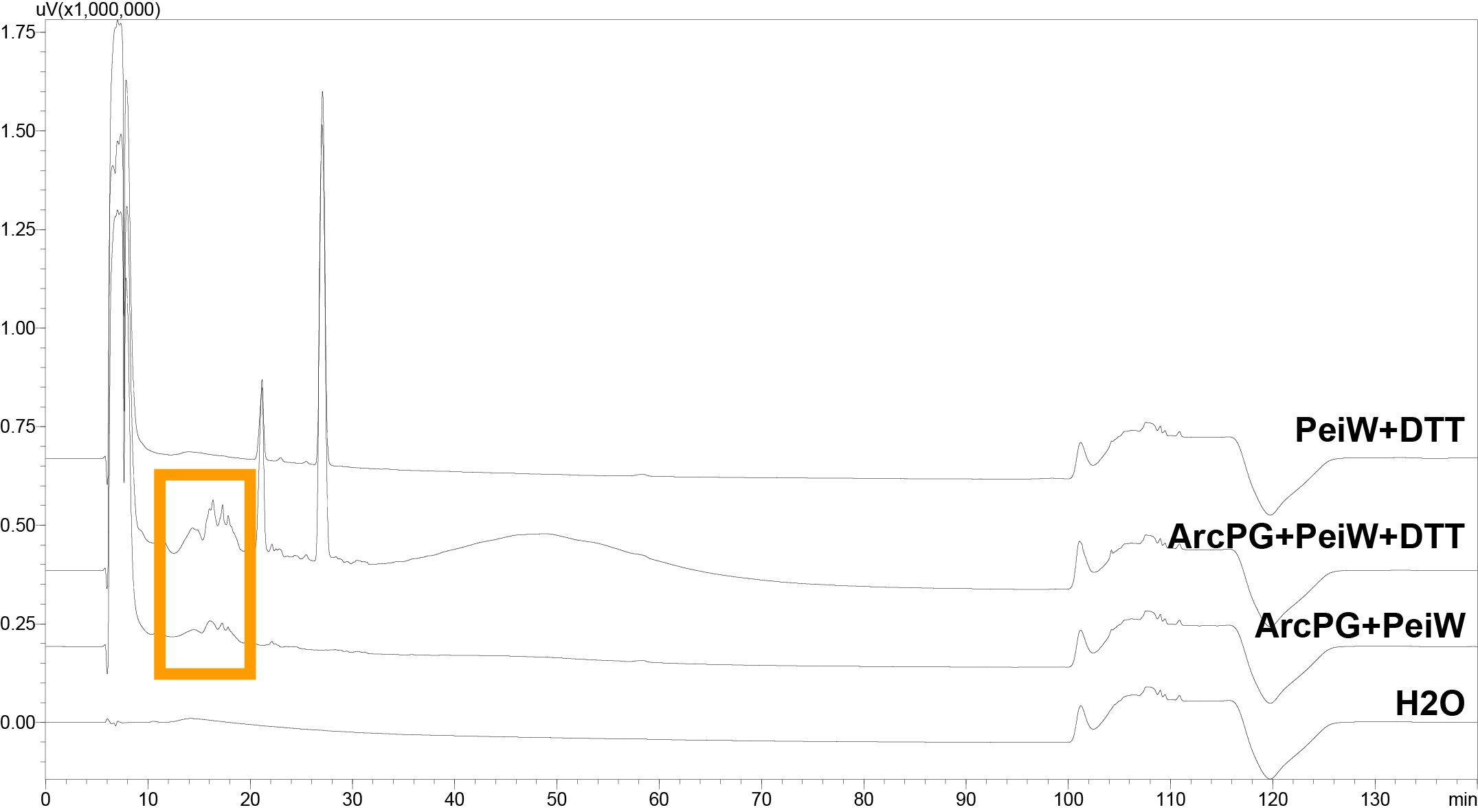
However, our delight at getting high yields of pure arcPG was quickly dampened when we found that none of the enzymes we tried could cut it. Luckily, in mid-2019 our collaborator Simon Rittmann from University of Vienna sent us the plasmid for PeiW, which was known to cleave the stem peptide in several cell-walled methanogens. I purified the protein — my first protein purification ever, and thankfully an easy one — and by the end of the year had a working permeabilization protocol. Richard and I tested PeiW on purified arcPG, and we saw cleavage (Fig. 2)! But since PeiW only cleaves the stem peptide, the digest resulted in long glycan strands and very long glutamic acid and lysine peptides, which gave Aline Rifflet, the mass spectrometry engineer in Ivo’s lab, a headache trying to analyze by LC-MS. What we needed was an enzyme that cleaves in between the disaccharide units, like muramidases in bacteria, but the only problem was that none had been known!
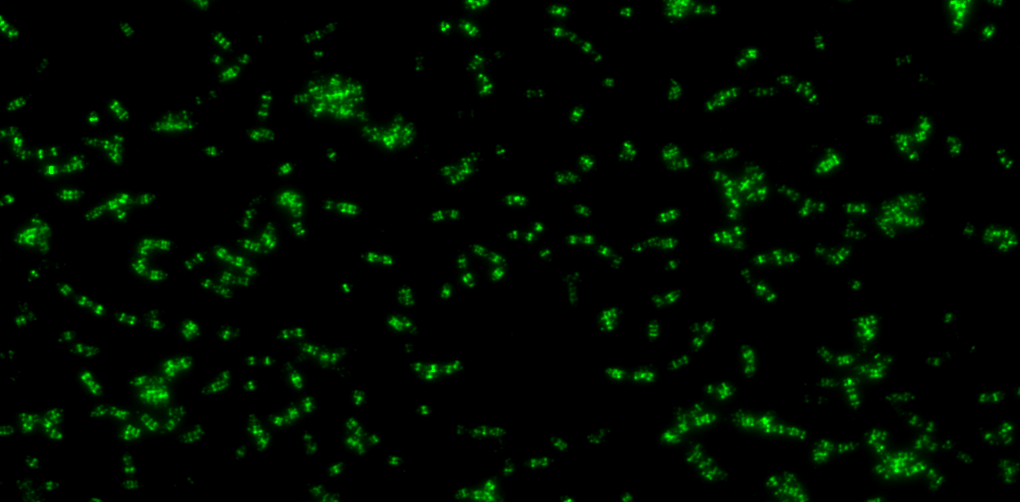
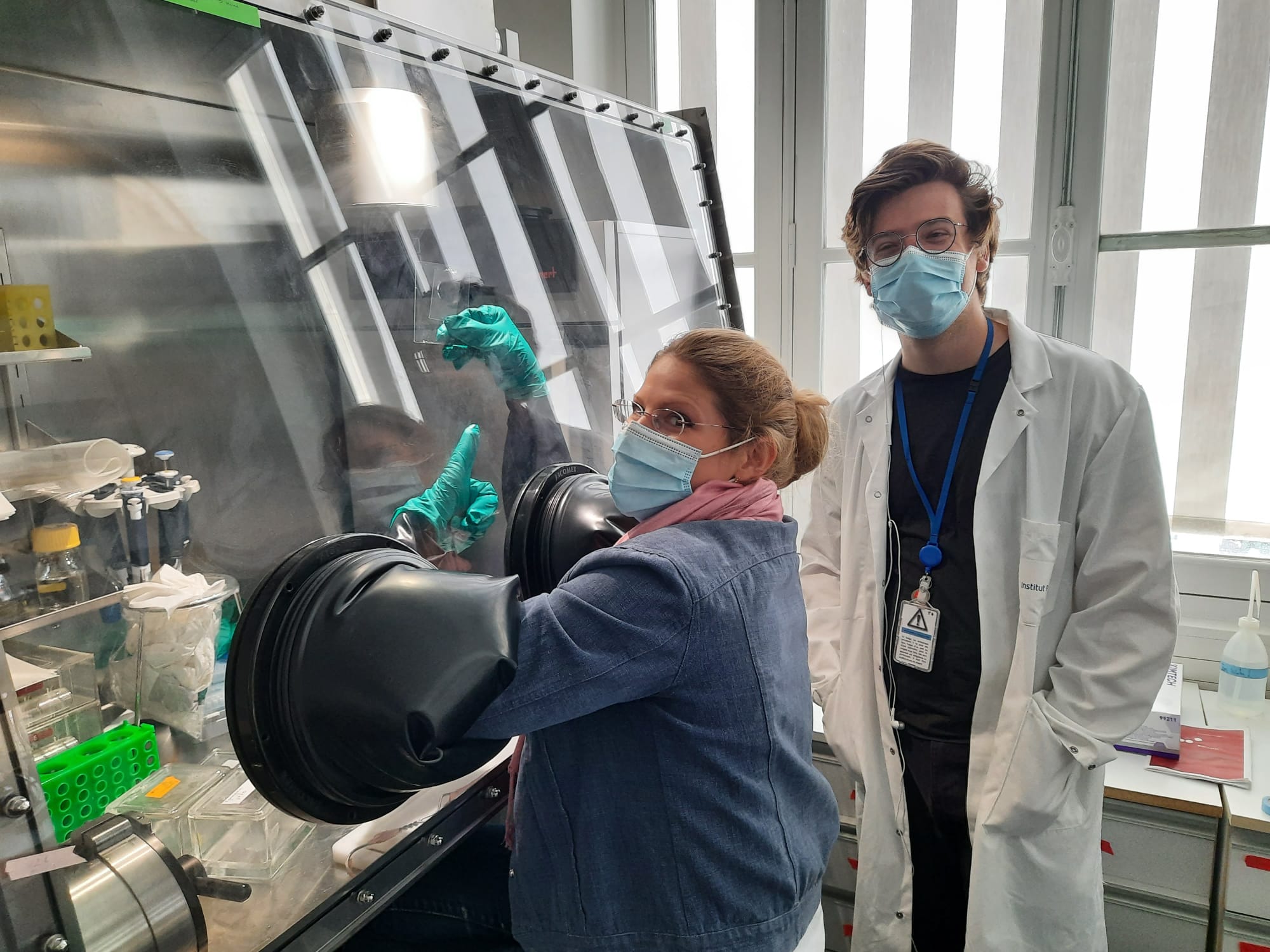
Rob: I arrived at Pasteur amid the COVID-19 pandemic to work on a project that had nothing at all to do with archaea. The highly collaborative nature and friendly nature of Simonetta’s group, in particular Nika, allowed me to enter a ‘quick side project’ that finally lasted 5+ years. Aline, Nika, Richard and I applied for, and won a small grant from the Microbiology Department at Institut Pasteur aimed at fostering collaborations between postdocs. Our idea was simple: find new arcPG-cleaving enzymes using some old school biochemistry, namely zymograms - polyacrylamide gels containing purified arcPG as a substrate, which appears opaque; incubating the gel with a cell lysate from M. smithii would reveal zones of clearance wherever hydrolytic activity occurs; these could be excised and identified by mass spectrometry. After several frustrating months of trials and with the departmental retreat looming, where we due to present our findings (or lack thereof), Nika and I finally got the zymogram conditions right and saw our first clearance zones (Fig. 3). However, our proteomics results were overwhelming — far too many candidates to test. Bioinformatician Pierre Garcia came to the rescue, searching the M. smithii genome for putative hydrolases and cross-referencing them against the mass spec hits, narrowing our list to 11 candidates.
Nika and I raced to clone, express and test these candidates, highly motivated by the aforementioned deadline. Success! We identified two candidates with hydrolytic activity: a PeiW homologue we called PeiS (S for “smithii”), as well msm_0219. Boosted by our success I purified the catalytically active C-terminus of msm_0219 and used it to cleave M. smithii arcPG. Aline subjected the digestion products to LC-MS, and she saw something that mostly resembled the previously published arcPG structure, but something was not adding up, literally! An extra 85Da mass was present on what we then thought to be TalNAc, one of the two sugars described in the papers dating from the seventies. Aline struggled for months as she tried every possible chemical combination to find the mysterious 85Da and to understand where we had introduced the artifact. We renamed msm_0219 to TalA, convinced that the 85Da mass was simply a modification of TalNAc and that we had discovered the world’s first Talosaminidase.
Nika: At the same time, Najwa Taib was attacking the problem from a phylogenetic angle. Comparative genomics showed that TalA homologues are widespread across Methanobacteriales and Methanopyrales, but absent from Methanococcales, which lack an arcPG wall. This suggested TalA might act broadly across arcPG types. By then I had left Simonetta’s lab to start my own group at the University of Vienna, with access to Simon Rittmann’s extensive methanogen collection. Based on Najwa's analysis, we picked a few representative methanogenic species which I painstakingly cultivated (some took weeks to grow!) and sent them to Rob who purified their arcPG and ran the digests. All samples were cleaved by TalA except that of the highly divergent Methanopyrus kandleri — and LC-MS analysis by Aline revealed that our nemesis, the 85Da mass, was present in all tested species and was still inexplicable…
Meanwhile, given the conservation of TalA, we hypothesized it could be an important cell wall remodelling enzyme. We raised antibodies against TalA and by immunofluorescence microscopy I could see that it clearly localized at the current and future division plane in M. smithii, hinting at a role in the final separation step of cell division. To further support this, Jerzy Witwinowski, with guidance from Christian Fink and great perseverance, generated a talA knockout in Methanothermobacter thermautotrophicus, a genetically tractable relative of M. smithii. As we hypothesized, the mutants grew as long, unseparated filaments which frustratingly would not sit flat in a single focal plane.
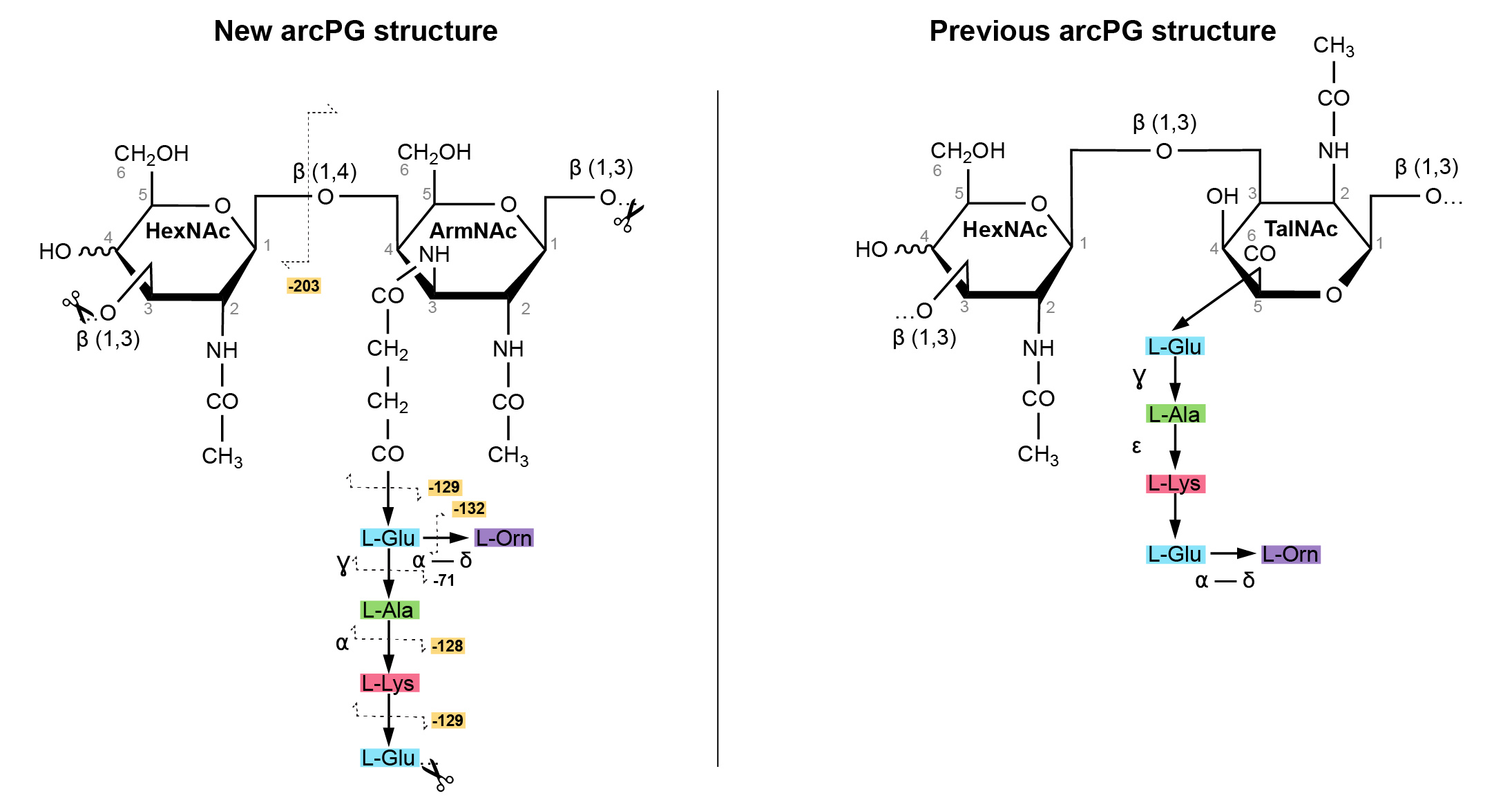
Rob: With all these results in hand, we submitted the manuscript. We are forever thankful to one reviewer who said the study was very interesting, but also asked if we could solve the “extra 85kDa mass problem”. Here enters the scene Iñaki Guijarro, head of the Pasteur NMR facility. Richard, Aline, Camille Martin-Gallausiaux, and I supplied Inaki with a ton of purified TalA digestion products and PeiS-digested glycan strands. After months of intense work doing what I can only describe as the words hardest dot to dot puzzle in five dimensions, Iñaki cracked it. Simonetta and Ivo remember he sent them a mail whose subject, laconic, but also quite theatrical, simply said “I’ve got the structure”. He called a meeting to share his findings. We were all astonished. We now knew that arcPG does not contain TalNAc in its repeating disaccharide. In its place is a previously undescribed sugar that, after a few rounds of brainstorming, we named N-acetylarmosamine (ArmNAc, the full name being much more complicated). This was one of those rare Eureka moments in science. This finding completely explained our LC-MS based mysteries and allowed us to revise the 50-year-old arcPG structure (Fig. 4). Richard notes that during his PhD defence, the first question he was asked was “What is the composition of archaeal peptidoglycan?” and now he knows that his answer that it contained TalNAc was incorrect. Upon realising that we had discovered an arminidase rather than a talosamindase we began the painful process of replacing all mention of TalA with ArmA in all text, figures, and files. Two years and several revisions after our first submission, the story is finally out!
Nika and Rob: We think we speak for everyone involved when we say how proud we are of this work, and how grateful we are for the editors' and reviewers' critical input and patience. It has been an immense team effort with so many people contributing their knowledge, expertise and time, showing what can be achieved through hard work and teamwork. Knowing the chemical structure of arcPG and having ArmA specifically cleaving it opens the way to future research on methanogens cell walls which will hopefully catch up with what has been achieved in bacteria. Moreover, given the importance of methanogens, our discovery has promising applications in medicine, industry, and biotechnology.
Many thanks for the input by Rob, Aline, Richard, Simonetta and Ivo during the writing process!
To check out the full story, follow this link:

Independent Postdoc at the University of Vienna, studying cell and chromosome biology in methanogenic archaea. Using a immunohistochemistry, cutting-edge microscopy, biochemistry and bioinformatics. My major research motivation is the understanding of prokaryotic cell biology, its adaptations to various life styles and evolutionary history of "non-model" microbes.
Follow the Topic
-
Nature
A weekly international journal publishing the finest peer-reviewed research in all fields of science and technology on the basis of its originality, importance, interdisciplinary interest, timeliness, accessibility, elegance and surprising conclusions.

Related Collections
With Collections, you can get published faster and increase your visibility.
Carbon Dioxide Removal
Publishing Model: Hybrid
Deadline: Jan 16, 2027
Cancer Neuroscience: from mechanisms to therapy
Publishing Model: Hybrid
Deadline: Jan 30, 2027