Diabetes and Neurological Disorder
Published in General & Internal Medicine
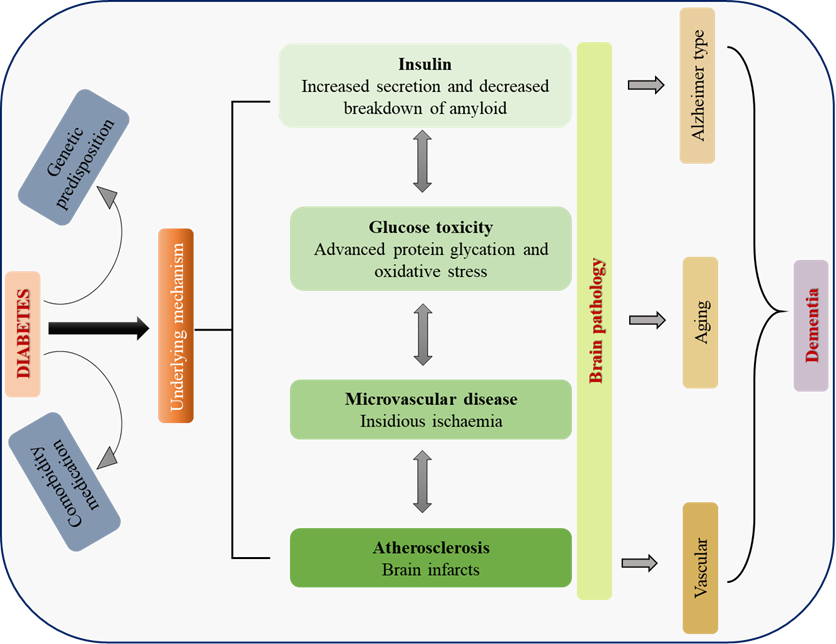


The two categories are type 1 insulin-dependent diabetes and type 2 non-insulin-dependent diabetes. There are various neurological disorders where this type of syndrome can be seen, including Friedreich’s ataxia, Wolfram syndrome, and mitochondrial diseases. Because of diabetes, a wide range of neurological symptoms is experienced. These symptoms may occur for several reasons, including metabolic disorders or secondary symptoms following the disorder. Diabetes-related conditions might show acute metabolic decompensation, such as diabetic ketoacidosis, which is common in type 1 cases and causes diffuse cerebral edema, which is especially common in youngsters. Type 2 instances are more likely to have hyperosmolar non-ketotic coma. The most significant are peripheral neuropathy and cerebrovascular illness because they affect the neurological system. A distal predominant sensory polyneuropathy is a common symptom of a variety of diabetes syndromes rather than a single diabetic neuropathy. It connected diabetes to a greater risk of macrovascular disease because people with diabetes are more likely to experience stroke than non-diabetics. Despite significant progress in our knowledge of the intricacies of diabetic neuropathy over the last decade, the specific processes driving neuropathy in T1&2 DM remain unexplained. Future findings on disease pathophysiology will be critical in addressing all aspects of diabetic neuropathy, from prevention to therapy.