Dual-strain Probiotics Improved Weight Gain in Premature Neonates: Evidence from a Randomized Clinical Trial in Afghanistan

I am pleased to share findings from our randomized clinical trial published in the in 2023 evaluating the effects of dual-strain probiotics on weight gain among premature neonates in Afghanistan. Encouragingly, two meta-analyses published in 2024 have recently supported the findings of our study.

Published in Biomedical Research

Dual-strain Probiotics Improved Weight Gain in Premature Neonates: Evidence from a Randomized Clinical Trial in Afghanistan
Like

Share this post

Choose a social network to share with, or copy the URL to share elsewhere

This is a representation of how your post may appear on social media. The actual post will vary between social networks

Explore the Research

MDPI
MDPI MDPI

Unveiling the Growth Impact of Probiotics in Neonates: To BEgin or Not to BEgin?

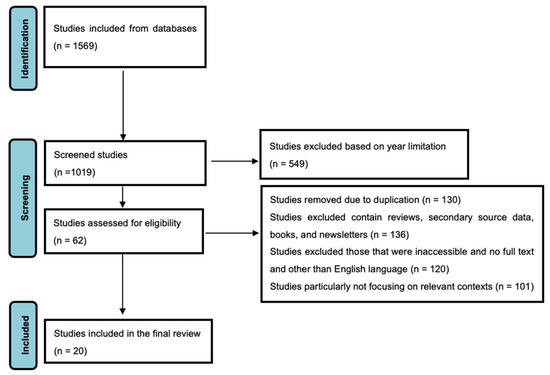
Background/Objectives: This study aimed to evaluate the supportive role of probiotic supplementation in neonatal weight gain through a meta-analysis of published studies. Given the conflicting results in the literature, the objective was to determine the overall effect size and assess the influence of regional and intervention-specific factors. Methods: A total of 20 studies published between 2011 and 2022 were included, comprising a combined sample size of 3929 neonates. A random-effects model was used to calculate the pooled standardized mean difference (SMD) in neonatal weight gain attributable to probiotic supplementation. Heterogeneity among studies was assessed using the I2 statistic. Subgroup analyses were conducted based on geographic region, probiotic strain, dosage, and treatment duration. Results: The pooled analysis demonstrated a modest but non-significant positive effect on neonatal weight gain (SMD: 0.27; 95% CI: −0.06 to 0.61), with substantial heterogeneity across studies (I2 = 91%). Subgroup analyses indicated that regional variations, particularly in studies conducted in China, were associated with a more favorable effect. However, not all studies reported a benefit; some found no difference or even negative effects, particularly in discharge weight outcomes. Conclusions: Probiotic supplementation shows potential for improving neonatal weight gain, but findings remain inconsistent and heterogeneous. Strain selection, dosage, and treatment duration appear to be critical variables influencing outcomes. Future large-scale, multicenter randomized controlled trials are necessary to develop standardized, evidence-based guidelines for probiotic use in neonatal care.

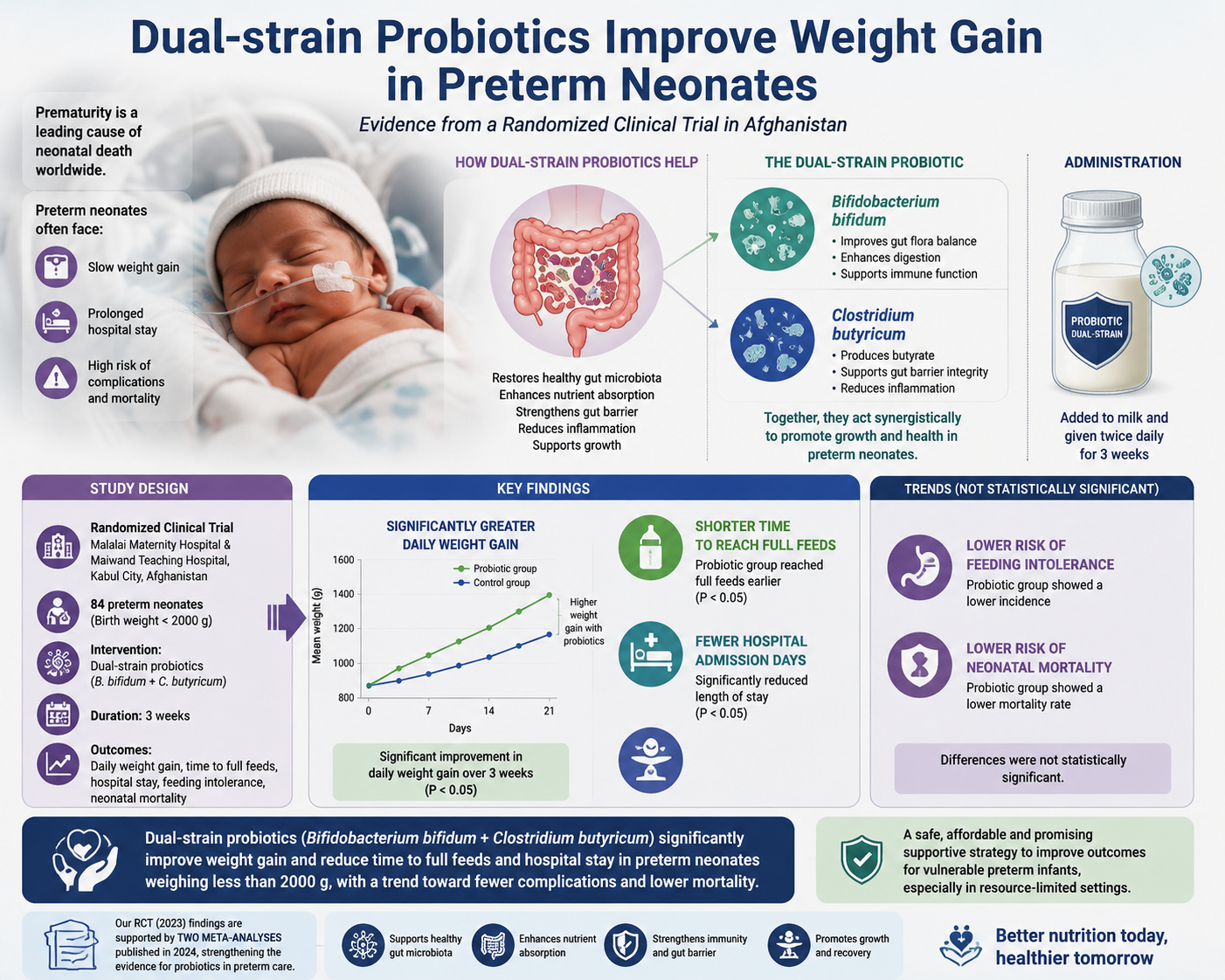
Prematurity remains a major global health challenge and is among the leading causes of neonatal mortality worldwide. Premature neonates frequently experience slow weight gain, feeding intolerance, prolonged hospitalization, and increased risks of severe complications and death. Identifying affordable and accessible interventions that improve neonatal outcomes is especially important in low-resource settings.

This randomized clinical trial was conducted in the Neonatal Units of Malalai Maternity Hospital and Maiwand Teaching Hospital in Kabul City. A total of 84 premature neonates participated in the study. The intervention consisted of dual-strain probiotics containing Bifidobacterium bifidum and Clostridium butyricum, which were added to milk and administered twice daily for three weeks.

The study demonstrated that premature neonates in our setting experienced slower weight gain compared with reports from higher-income countries, particularly in the control group. Importantly, supplementation with dual-strain probiotics significantly improved daily weight gain, shortened the time required to achieve full feeds, and reduced hospital admission days among premature infants weighing less than 2000 grams.

Although the risks of feeding intolerance and neonatal mortality were somewhat lower in the probiotic group, these differences did not reach statistical significance. Nevertheless, the findings suggest that probiotic supplementation may represent a promising, low-cost supportive intervention for improving neonatal growth and recovery in resource-limited settings.

This study contributes important evidence from Afghanistan to the growing international literature on probiotics and neonatal health. The recent publication of supportive meta-analyses further highlights the increasing scientific interest in the role of the neonatal microbiome and probiotics in improving outcomes among vulnerable premature infants.

#Neonatology #Prematurity #Probiotics #NICU #GlobalHealth #Pediatrics #NeonatalCare #MedicalResearch #Microbiome #InfantHealth

Please sign in or register for FREE

If you are a registered user on Research Communities by Springer Nature, please sign in

Follow the Topic

Biomedical Research
Life Sciences > Health Sciences > Biomedical Research