Duchenne Muscular Dystrophy: from Gene to Gene-ius therapies
Published in Genetics & Genomics, General & Internal Medicine, and Anatomy & Physiology




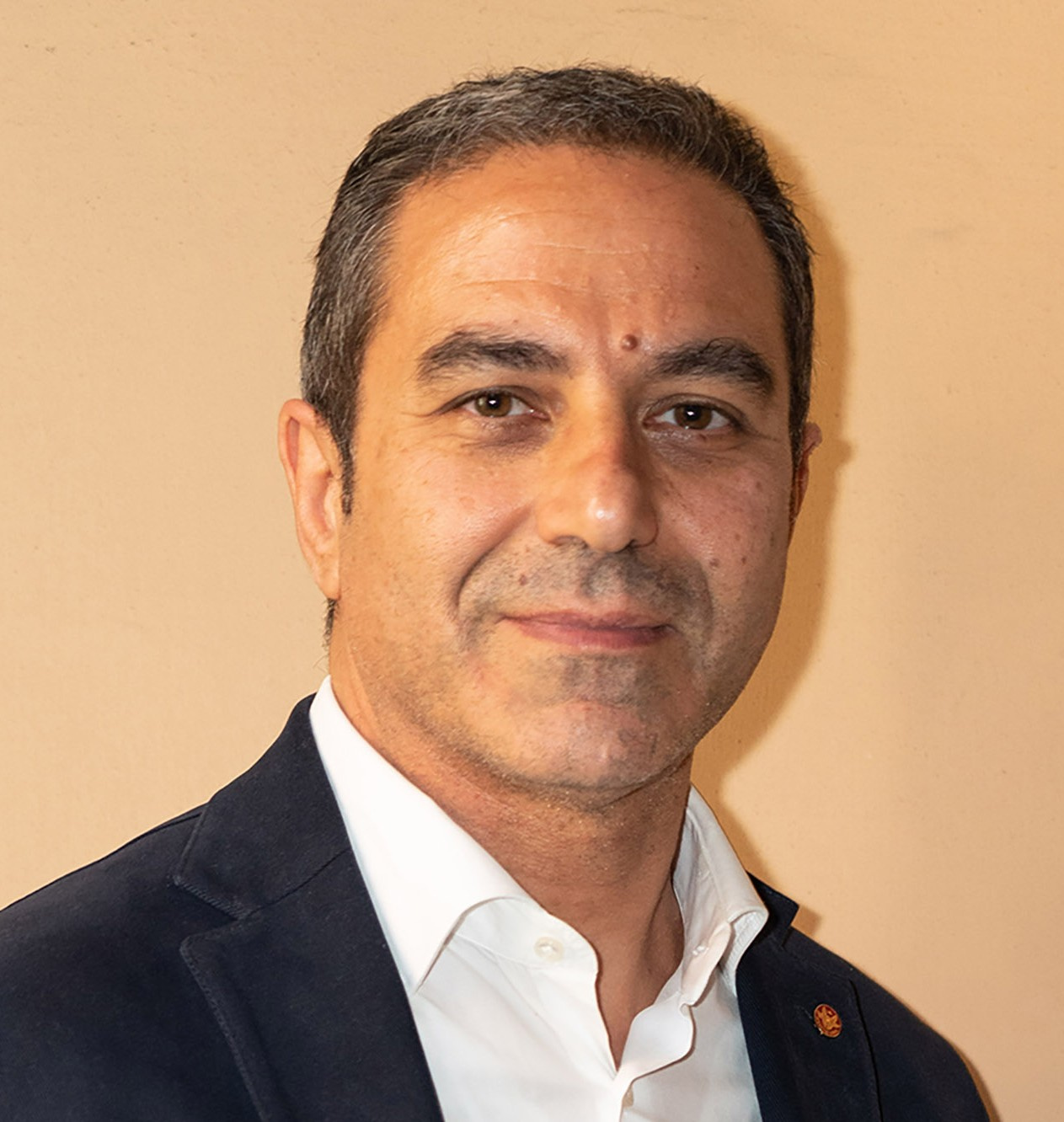
Dr. Antonio Musarò is Full Professor at the Medical and Biotechnology School of Sapienza University of Rome. A leading researcher in muscle biology and neuromuscular diseases, his work focuses on skeletal muscle homeostasis and regeneration, aging, amyotrophic lateral sclerosis (ALS), and muscular dystrophies.
Dr. Jeffrey Chamberlain is director of the Wellstone Muscular Dystrophy Specialized Research Center, and the McCaw Endowed Chair in Muscular Dystrophy at the University of Washington. Research in the Chamberlain lab focuses on development of gene therapy treatments. Several vectors developed by his group are currently being tested in human clinical trials for DMD.
This Q&A accompanies a Review published in BMC Skeletal Muscle, co-authored by members of our Editorial Board, in celebration of World Duchenne Awareness Day 2026.
1) What exactly is Duchenne Muscular Dystrophy (DMD), and could you explain the condition in simple terms, including why it primarily affects boys and how it changes over time?
 Antonio Musarò: DMD is a rare genetic condition that causes muscles to become weaker over time. People with DMD are missing a protein called dystrophin, which normally helps protect and strengthen muscle cells. Without enough working dystrophin, muscles are more easily damaged and gradually lose their strength. DMD mainly affects boys because of the way the condition is inherited. The gene responsible for dystrophin is located on the X chromosome. Boys have only one X chromosome, so if that chromosome carries the genetic change that causes DMD, they do not have a second copy of the gene to compensate. Girls have two X chromosomes, so they usually have another working copy of the gene. This means girls are more often carriers of DMD, although some carriers can develop symptoms, and in rare cases girls can also have DMD. The first signs of pathology usually appear in early childhood, often between the ages of two and five. Parents may notice that their child has difficulty running, jumping, climbing stairs, or getting up from the floor. They may also fall more often or tire more easily than other children their age. DMD is described as a progressive condition, meaning that muscle weakness increases over time. As children grow older, walking and everyday movements can become more difficult, and many eventually need to use a wheelchair. The condition can also affect the muscles involved in breathing, such as the diaphragm, and the heart; thus, regular respiratory and cardiac monitoring is an important part of care.
2) What medical, technological, or supportive care advances have had the biggest impact on improving quality of life and life expectancy, and what progress are you most excited about today?
AM: The biggest improvements in quality of life and life expectancy for people with DMD have come from combining advances in supportive care and treatment. Multidisciplinary care, including corticosteroids such as prednisone and deflazacort, has helped preserve muscle function and delay disease progression, although long-term steroid use can cause significant side effects. Newer treatments, including givinostat and vamorolone, aim to provide benefits while reducing some of these complications. Advances in cardiac and respiratory care have also significantly improved survival, while newer therapies increasingly target the underlying genetic cause of DMD. Exon-skipping and micro-dystrophin gene therapies can partially restore dystrophin, although challenges around effectiveness, safety, durability and patient eligibility remain. Looking ahead, approaches such as CRISPR-based gene editing, improved gene delivery systems and therapies targeting muscle regeneration are promising. Ultimately, the greatest benefits may come from combining dystrophin-restoring therapies with treatments that control inflammation and fibrosis, promote muscle regeneration and protect heart function.
3) SDG 3 (Good Health and Well-being) aims to ensure healthy lives and promote well-being for all at all ages. How does DMD research contribute to achieving this goal?
AM: Although DMD is rare, research in this field reflects a wider goal of medicine: helping people live longer, healthier and more independent lives. Advances in multidisciplinary care have significantly improved survival and quality of life, while emerging therapies aim to slow or modify disease progression. Restoring dystrophin remains a major focus, but DMD also causes chronic inflammation, fibrosis and impaired muscle regeneration, which may limit the effectiveness and durability of treatments. The future of DMD therapy may therefore depend on combining dystrophin-restoring approaches with treatments that improve the muscle environment, promote regeneration and protect long-term muscle function.
4) Gene editing has been making headlines around the world. How could technologies such as CRISPR change the future of DMD treatment?
AM: CRISPR could potentially transform DMD treatment because, rather than only managing symptoms, it aims to correct the primary genetic cause of the disease. Unlike gene replacement approaches that deliver shortened forms of dystrophin, CRISPR can modify the endogenous DMD gene, potentially restoring dystrophin expression under normal physiological regulation. Preclinical studies in human cells and animal models have demonstrated partial restoration of dystrophin and improvements in skeletal and cardiac muscle function, with some editing strategies potentially applicable to mutations affecting up to 62% of patients. However, significant challenges remain, particularly achieving efficient delivery to skeletal and cardiac muscle, minimising immune responses, preventing off-target or unintended genomic alterations, and establishing long-term safety and durability.
5) What are the biggest scientific challenges that researchers still need to overcome before DMD can be effectively treated—or even cured? Where should research efforts focus next?
AM: One of the greatest scientific challenges in DMD is achieving safe, efficient, and durable dystrophin restoration throughout the body. Because skeletal muscle represents a large proportion of body mass and the heart must also be effectively targeted, systemic delivery remains a major limitation. Ensuring that therapeutic effects are sustained over time is another key challenge, particularly as muscle undergoes continuous degeneration and regeneration. Research should therefore focus on safer and more efficient delivery systems, next-generation gene-editing technologies, and strategies that provide long-term correction. Moreover, combining dystrophin restoration with therapies targeting inflammation, fibrosis, and impaired muscle regeneration may ultimately be necessary to achieve the greatest and most durable clinical benefit.
6) Why is early diagnosis so important for people with DMD?
AM: Early diagnosis is particularly important in DMD because muscle degeneration begins early and progresses continuously over time. Identifying the disease at an early stage creates an opportunity to initiate treatment before substantial and irreversible muscle damage occurs, when more functional muscle tissue can still be preserved. This is especially relevant as emerging therapies aim to restore dystrophin expression and slow disease progression rather than reverse advanced muscle loss. Early diagnosis also enables timely multidisciplinary management, closer monitoring of disease progression, and identification of patients who may be eligible for mutation-specific or gene-based therapies. As more disease-modifying therapies become available, early diagnosis and intervention are therefore likely to become increasingly important for maximizing therapeutic benefit and preserving muscle function for as long as possible.
7) Clinical trials are vital for developing new treatments, but they can seem daunting to patients and families. What should people know about participating in DMD research?
 Jeff Chamberlain: No new treatments can be developed without clinical trials, but it can be very difficult to decide whether to enroll in any trial. Ultimately, it is a personal decision that must be made by each individual family, and one should never feel obligated or pressured to enroll. Key factors include the treatment’s safety and potential benefits, the patient’s age and disease progression, eligibility for future treatments, and whether the trial uses a placebo or crossover design. Trust is critical, be sure you are comfortable with the trial sponsors and care givers, and try to ascertain whether their heart is in the right place. Another key concern for many is that so trials are usually placebo controlled, meaning up to half of all patients will not receive the real drug at the beginning. Placebo-controlled trials are particularly important because they allow researchers to determine whether a treatment is genuinely effective, rather than whether changes are due to the natural course of the disease or other factors. Many trials now use crossover designs, meaning participants initially receiving a placebo may later receive the treatment. The final point I would like to make is that it is not always best to wait for or seek out what sounds like the most cutting edge, futuristic treatment. Sometimes these never work out, and other times the wait is far longer than researchers may suggest. Again, this gets back to trust and reliability, be cautious of researchers or companies that overly hype their drugs, and try to ensure that you are participating in a trial with trustworthy, well-known and respected individuals with a proven record of integrity and honesty.
8) Access to innovative treatments isn't always equal around the world (SDG 10). How can we ensure that scientific breakthroughs benefit everyone living with DMD? What barriers—such as cost, healthcare infrastructure, or geography—still exist, and what role can governments, healthcare providers, industry, and researchers play in improving equitable access?
AM: DMD affects much more than muscle strength. Progressive disability creates physical, psychological, social and economic burdens for patients and their families. For this reason, scientific progress should not only be measured by the development of new treatments, but also by whether those treatments can actually reach everyone who could benefit from them and whether inequalities in access can be reduced. As we discussed in the review, access to some therapies remains a major challenge in DMD. Some innovative therapies are extremely expensive. For example, a single dose of one AAV-based gene therapy costs about $3.2 million, while other treatments require repeated administration throughout a patient's lifetime. In addition, certain therapies require highly specialized centers and close monitoring because of potentially serious adverse effects. This creates significant geographical and healthcare-infrastructure barriers, particularly for families who live far from major medical centers or in countries where these treatments are not available or reimbursed.
9) Achieving SDG 3 requires action from everyone—not just scientists and clinicians. What can researchers, healthcare professionals, patient organisations, policymakers, and members of the public do to raise awareness of DMD and improve outcomes for those living with the condition?
AM: Scientific innovation alone is not enough to improve the lives of people with DMD. New treatments must be safe, effective, durable and accessible to as many patients as possible. Overcoming challenges such as treatment delivery, immune responses and long-term safety will be essential to translating research into meaningful benefits.Patient organisations and communities can raise awareness, provide information and support to patients and families, advocate for equitable access to specialised care and emerging treatments, and help ensure that patients’ needs and priorities are considered in research and healthcare decisions. Policymakers and governments can also help reduce inequalities by supporting specialised healthcare infrastructure, research funding and policies that improve access to multidisciplinary care and innovative therapies. This is particularly important given the high cost of emerging treatments and the need for specialised treatment centres, both of which can substantially limit accessibility. Finally, the wider public also has a role to play. Greater awareness of rare diseases such as DMD can reduce misunderstanding and stigma and promote greater inclusion and accessibility. It can also strengthen support for patient advocacy and research and help keep rare diseases part of the broader public-health conversation.
10) If research continues at its current pace, what breakthroughs do you think could transform the lives of future generations, and what message would you share with patients, families, and young scientists hoping to contribute to this field?
JC: I believe we will see a slow but steady increase in treatment options that will become more and more effective as we move forward. We are beginning to move into an era where combinations of drugs can be given, and this will be critical to address all the many problems that contribute to weakness in the muscular dystrophies. I see gene therapies becoming safer and more potent as better vectors, new types of vectors and improved gene cargos are developed. These will be complemented by a growing array of methods to slow and halt muscle deterioration, reduce inflammation and increase safety. The pace of progress will depend on research funding, investment in scientific talent and, importantly, discoveries from high-quality basic research. In many countries scientific research is being politicized and warped by misinformation and misplaced motivation. It is critical to speak out for quality scientific research, and to support unbiased and intensive teaching of science in schools at all levels. I’m seeing fewer young people wanting to go into science and conduct research, and if this trend continues, we will face far fewer improvements in the ability to treat the muscular dystrophies and other diseases that are finally becoming increasingly able to be treated.
Follow the Topic
-
Skeletal Muscle
The only open access journal in its field, Skeletal Muscle publishes novel, cutting-edge research and technological advancements that investigate the molecular mechanisms underlying the biology of skeletal muscle.

Related Collections
With Collections, you can get published faster and increase your visibility.
Intrinsic Regulation of Muscle Stem Cell Fate in Regeneration, Aging, and Disease
Muscle stem cells are building blocks of skeletal muscle during embryonic, fetal and adult myogenesis. Postnatally, they must tightly balance quiescence, activation, proliferation, self-renewal, lineage commitment, and differentiation to sustain lifelong tissue maintenance and regenerative capacity. Muscle stem cell fate transition is controlled by intricate regulatory mechanisms that include transcriptional control, chromatin architecture, epigenetic modification, signal transduction, RNA processing, translation, post translational regulation and metabolic pathways among others.
This Collection focuses on the intrinsic molecular mechanisms that regulate muscle stem cell fate across homeostasis, regeneration, aging, and disease. A major goal of this Collection is to highlight new discoveries on how dysregulation of these intrinsic molecular mechanisms contributes to regenerative decline in aging and to the pathophysiology of muscular dystrophies, cachexia, sarcopenia, and other muscle disorders. We welcome studies that define how these molecular programs are established and maintained in healthy muscle, and how their deregulation contributes to decline in muscle regeneration during disease. Special interest will be given to work employing in vivo models, single cell and spatial profiling, multiomic approaches, and functional perturbation strategies that provide mechanistic insight into the control of muscle stem cell identity and fate. We are also interested in studies addressing the regulatory networks underlying muscle stem cell dysfunction, including alterations in transcription factor binding, chromatin accessibility, DNA and histone modifications, noncoding RNAs, RNA binding proteins, metabolic pathways and other determinants of muscle cell state.
Key topics of interest:
- Molecular mechanisms controlling muscle stem cell fate transition
- Molecular regulation of quiescence, activation, proliferation, self-renewal, lineage commitment, and differentiation
- Transcriptional, epigenetic, and chromatin-based control of muscle stem cell identity and the transcriptional and epigenetic erosion in muscle-wasting conditions
- Translation, post translational regulation, and metabolic control of stem cell state
- Mechanisms of stem cell dysfunction in muscular dystrophies, cachexia, disuse atrophy, and related muscle disorders
- Mechanistic studies using in vivo models, single cell and spatial profiling, multiomics, and functional perturbation approaches for the study of muscle stem cell dysfunction in disease
All submissions in this Collection undergo the journal’s standard peer review process. Similarly, all manuscripts authored by a Guest Editor(s) will be handled by the Editor-in-Chief. As an open access publication, this journal levies an article processing fee (details here). We recognize that many key stakeholders may not have access to such resources and are committed to supporting participation in this issue wherever resources are a barrier. For more information about what support may be available, please visit OA funding and support, or email OAfundingpolicy@springernature.com or the Editor-in-Chief.
Publishing Model: Open Access
Deadline: Feb 04, 2027
Innovative Therapeutic Strategies for Neuromuscular Disorders
This Collection aims to bring together high-quality original research articles and comprehensive reviews that advance the understanding and treatment of neuromuscular disorders through innovative therapeutic approaches. The scope encompasses a broad spectrum of conditions, including but not limited to muscular dystrophies, spinal muscular atrophy, cardiomyopathies, and motor neuron diseases.
We welcome submissions that explore the development, validation, and clinical translation of novel therapies designed to address the underlying mechanisms of neuromuscular dysfunction. Areas of interest include gene and genome editing technologies, RNA-based therapeutics, cell and stem cell therapies, biologics, small molecule drugs, and combination treatment strategies. Studies focusing on emerging platforms such as targeted delivery systems, biomaterials, and digital or AI-assisted therapeutic design are also within scope.
In addition to therapeutic innovation, the Collection encourages contributions that address critical enabling factors for successful treatment development. These include advances in disease modeling (in vitro and in vivo), biomarker discovery and validation. Research that enhances understanding of disease pathophysiology with clear translational relevance is particularly encouraged.
Review articles should provide critical and forward-looking syntheses of current knowledge, highlighting challenges, opportunities, and future directions in the field. Perspectives that bridge disciplines or propose new conceptual frameworks for therapy development are also of interest.
By fostering interdisciplinary dialogue and consolidating emerging evidence, this Collection seeks to accelerate the translation of innovative therapies from bench to bedside and ultimately improve outcomes for patients living with neuromuscular disorders.
All submissions in this Collection undergo the journal’s standard peer review process. Similarly, all manuscripts authored by a Guest Editor(s) will be handled by the Editor-in-Chief. As an open access publication, this journal levies an article processing fee (details here). We recognize that many key stakeholders may not have access to such resources and are committed to supporting participation in this issue wherever resources are a barrier. For more information about what support may be available, please visit OA funding and support, or email OAfundingpolicy@springernature.com or the Editor-in-Chief.
Publishing Model: Open Access
Deadline: Jan 16, 2027