Hereditary Breast Cancer: Q&A with Dr Zhenshan Yang, EBM at Hereditas
Published in Cancer, Sustainability, and Computational Sciences

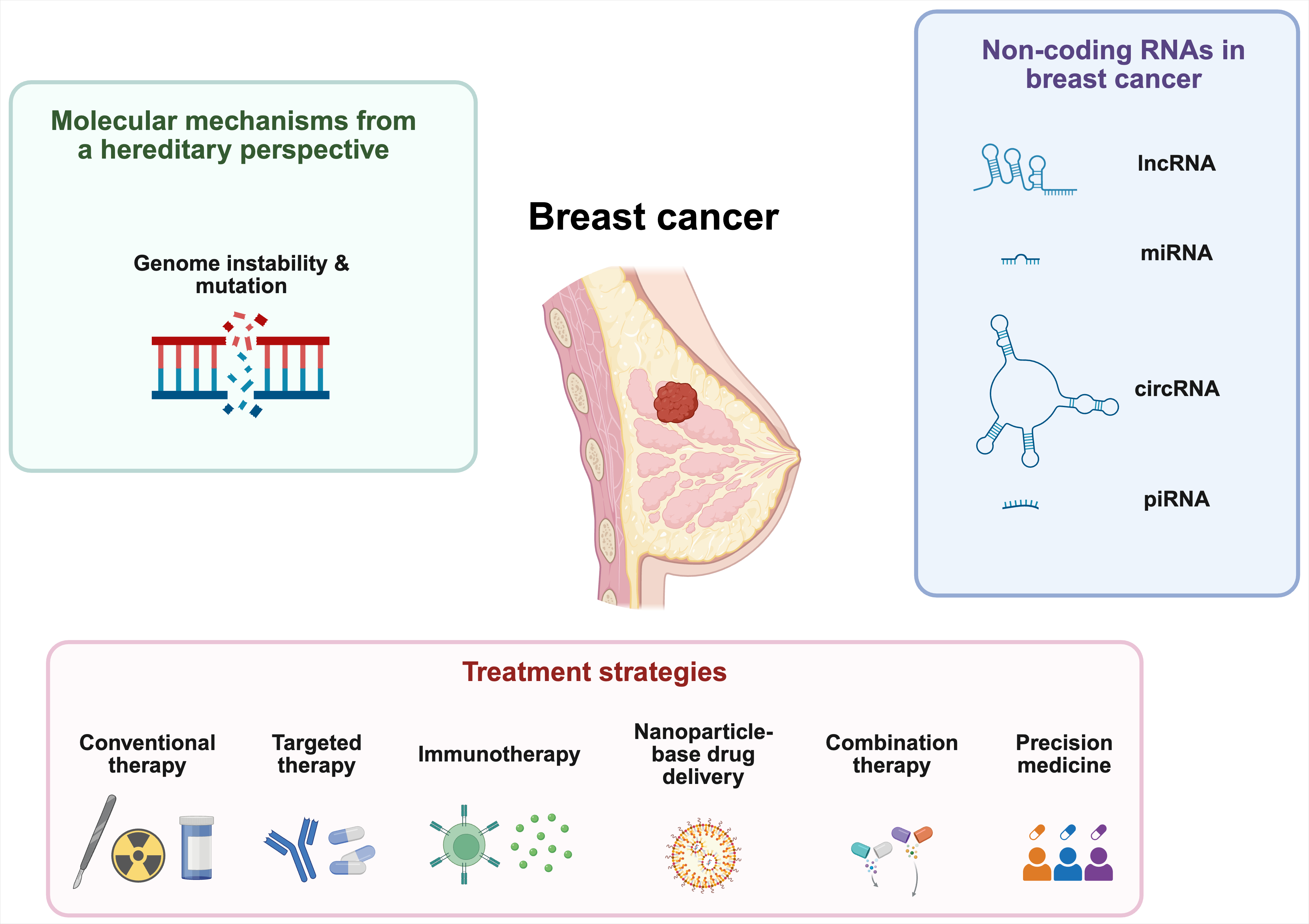
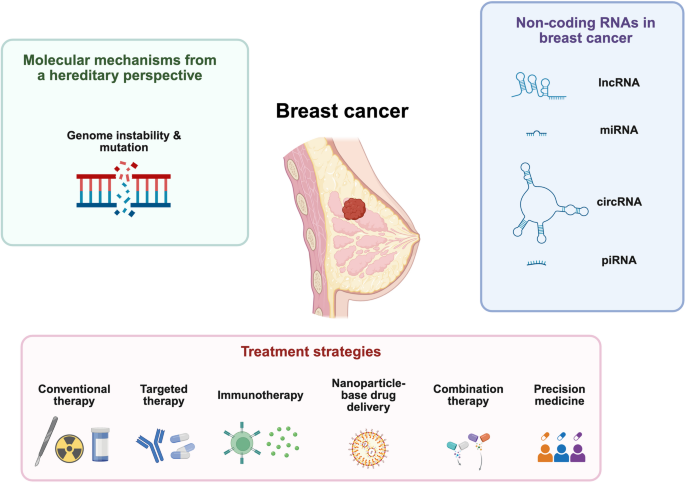

This Q&A accompanies the Review Hereditary Breast Cancer: Emerging Roles of Non-Coding RNAs and the Editorial Beyond the Variant: Hereditary Cancer Awareness in the Multi-Omics Era, authored by the EIC and EBMs of Hereditas in celebration of Hereditary Cancer Awareness Week 2026.
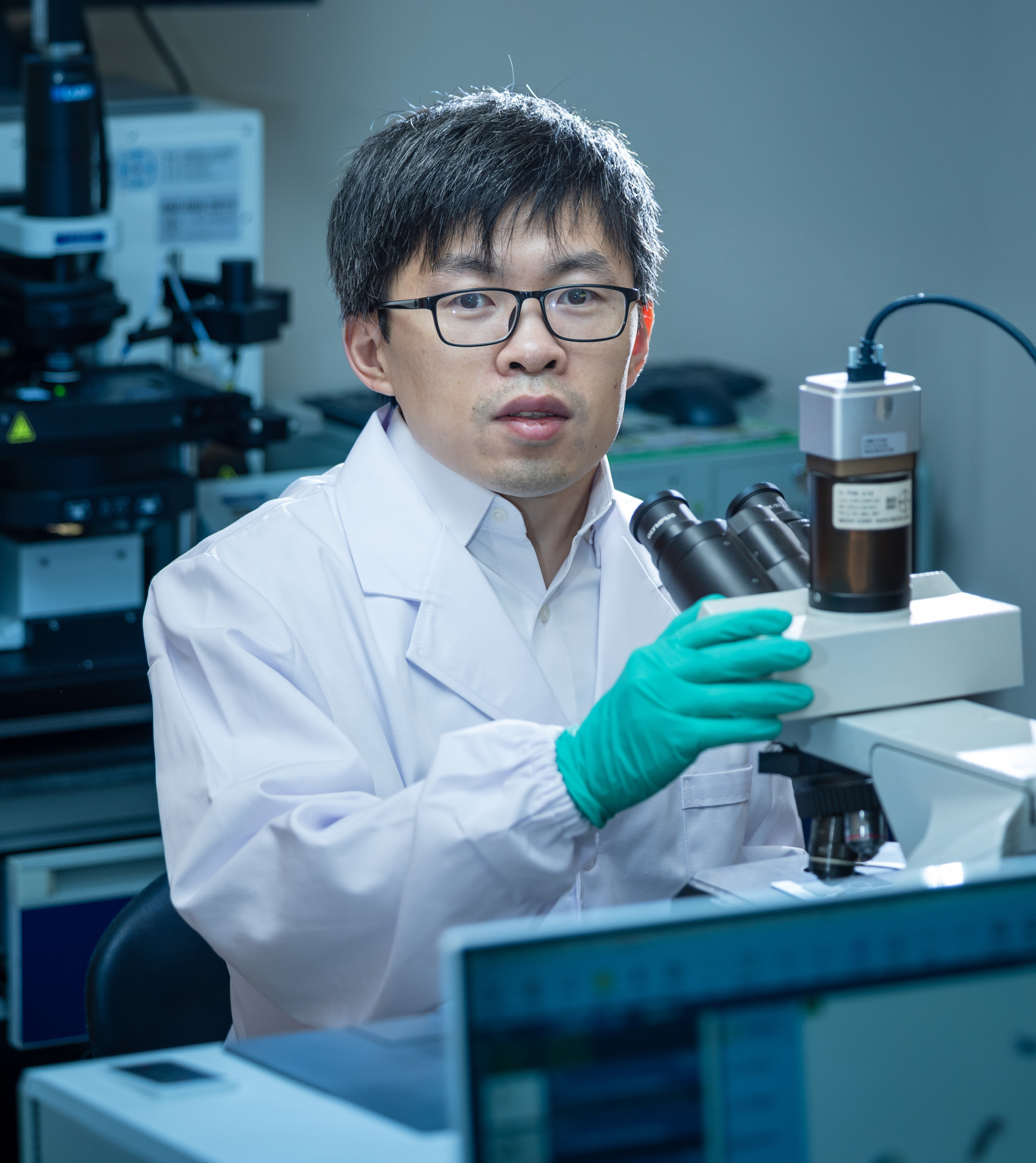 Dr. Zhenshan Yang is a researcher in reproductive biology, with a particular focus on embryonic development and embryo–endometrial interactions. He is currently affiliated with Hubei University of Medicine, where he investigates the molecular mechanisms underlying embryo implantation, uterine decidualization, and ovarian cancer.
1) We know that some people inherit genetic changes that make them more likely to develop breast cancer. What do we currently understand about how these inherited changes increase cancer risk, and what are we still trying to discover?
Hereditary breast cancer usually arises because a person is born with a genetic variant that reduces the ability of cells to repair DNA damage, control cell growth, or maintain genomic stability. BRCA1 and BRCA2 are the best-known examples. They play important roles in repairing DNA through a process called homologous recombination. When these genes are disrupted, DNA damage can accumulate over time, increasing the likelihood that cells acquire additional changes that eventually lead to cancer.
However, inheriting a pathogenic variant does not mean that cancer is inevitable. Genetic risk interacts with many other factors, including age, reproductive history, hormonal exposure, lifestyle, and environmental factors. This is why two people carrying the same inherited mutation may develop cancer at different ages—or one may never develop cancer at all.
One of the questions for researchers is therefore not simply “Does this gene increase risk?”, but “Why does this particular person develop cancer, at this particular time, and with this particular tumor subtype?” Understanding the interactions between pathogenic variants and other factors should allow us to move from broad estimates of hereditary risk towards much more individualized predictions.
2) BRCA1 and BRCA2 are probably the best-known genes linked to hereditary breast cancer. Are there other genetic changes that we should be paying more attention to, and could understanding these help us identify people at risk earlier?
Absolutely. BRCA1 and BRCA2 are extremely important, but they are not the whole story. Several other genes are now known to influence hereditary breast cancer risk, including BARD1, STK11, RAD51C, RAD51D, PALB2, TP53, PTEN, CDH1, MSH1, MSH6, MLH1, ATM, and CHEK2. Some are associated with relatively high risks, while others have more moderate effects. Yes, this information can help us identify people at risk earlier. The next step is therefore to move beyond simply identifying more genes. Large international studies combining genetic information with family history and clinical data are helping us achieve this.
3) What are non-coding RNAs (ncRNAs), and how might changes in these molecules contribute to hereditary breast cancer or influence how a tumour develops?
When we think about genes, we often focus on DNA sequences that provide instructions for making proteins. However, much of our genome does not directly encode proteins. NcRNAs are special classes of RNA molecules; most of them do not encode proteins but play a significant role in the regulation of gene expression at both transcriptional and post-transcriptional stages. They can influence processes such as tumor cell growth, DNA repair, and cell death.
Different patterns of ncRNA expression may contribute to differences in tumor growth, metastasis, immune evasion, or treatment response. However, we should be cautious. Much of the evidence for ncRNAs in breast cancer currently comes from laboratory and observational studies. We still need rigorous functional experiments and large clinical studies to determine how ncRNA changes drive cancer.
4) Could ncRNAs eventually help us identify breast cancer earlier or predict which patients are more likely to respond to a particular treatment? What needs to happen before these discoveries can be translated into tests or treatments used in everyday healthcare?
I think ncRNAs have considerable potential, particularly because they are relatively stable and can be detected in blood and other body fluids. This raises the possibility of developing minimally invasive “liquid biopsy” tests that measure specific ncRNA patterns for early detection, prognosis, or monitoring treatment response. For ncRNA-based treatments, the challenge is even greater. Researchers need to develop safe, effective ways to deliver RNA-based therapies to the right cells without causing unwanted effects.
So I would describe ncRNAs as promising candidates rather than established clinical tools. The next decade should tell us which candidates can make that transition.
5) Genetic testing can tell someone that they carry a mutation that increases their risk of breast cancer, but it does not always tell us exactly what will happen to that individual. How can scientists combine genetic information with other data—such as tumour biology, lifestyle and family history—to provide a more accurate and genuinely personalised assessment of risk?
This is one of the most important directions for the future of hereditary breast cancer research. A genetic mutation should not be viewed as a simple “yes or no” prediction of cancer. Scientists are increasingly combining genetic testing with age, family history, reproductive and hormonal factors, lifestyle, and other clinical information to try to provide a more accurate personalized prediction. Artificial intelligence could eventually help integrate these different layers of information. We could develop AI models that estimate an individual's risk and potential treatment. Importantly, these models must also be validated in diverse populations.
6) New technologies, including artificial intelligence, single-cell analysis and advanced genomic sequencing, are allowing researchers to study breast cancer in unprecedented detail. Which technologies do you think could have the biggest impact on understanding hereditary breast cancer over the next decade?
Rather than one technology dominating, I think the greatest impact will come from combining several technologies. First, single-cell sequencing lets researchers study individual cells rather than averaging molecular signals across an entire tumor. This can reveal rare cancer-cell populations and immune cells that may contribute to tumor progression or treatment resistance. Second, spatial transcriptomics adds an important dimension: location. This could be particularly valuable for understanding interactions between cancer cells and the immune or stromal microenvironment.
Finally, AI will be essential for integrating these enormous datasets. AI can potentially combine genomic, imaging, pathological, and clinical information to identify patterns that would be difficult for humans to detect.
7) Some people with inherited genetic mutations may face difficult decisions about increased screening, preventive surgery or medication. How can research help us move towards prevention strategies that are more personalised, so that people receive the right intervention at the right time rather treating everyone in the same way? (SDG 3: Good Health and Well-being)
I don't think carrying a genetic mutation should automatically lead to the same recommendation for everyone, because individuals' reactions can vary considerably. Research is helping us combine genetic information with age, family history, and other risk factors to estimate how a person will respond to drugs. Importantly, personalization does not mean replacing doctors with algorithms. It means giving patients and clinicians better evidence with which to make decisions together.
The ultimate goal is therefore not “more intervention.” It is the right intervention for the right person at the right time, while minimizing unnecessary procedures and anxiety. Achieving this will require prospective clinical studies showing that personalized risk-based strategies genuinely improve outcomes and quality of life.
8) Targeted treatments have transformed care for some people with hereditary breast cancer, but cancers can become resistant to treatment. What emerging therapeutic strategies—including treatments designed around a patient’s specific genetic or molecular profile—could help overcome resistance?
One of the clearest examples is the development of PARP inhibitors for tumors with BRCA1/2 or other homologous recombination repair defects. These drugs exploit a vulnerability created by defective DNA repair—a concept known as synthetic lethality. However, cancer cells are remarkably adaptable. Some tumors become resistant by evading the effect of PARP inhibitors or activating alternative DNA repair pathways.
This has encouraged researchers to move towards combination therapies. Combination therapies have improved treatment efficacy by simultaneously targeting multiple pathways involved in cancer cell survival and metabolism. Ultimately, I expect treatment to become increasingly individualized.
9) Genetic research has the potential to improve breast cancer prevention and treatment, but not everyone has an equal opportunity to take part in research or access genetic testing (SDG 10). There are groups that are currently under-represented in research– how could this limit how accurately we understand cancer risk across different populations?
This is a major scientific as well as social issue. A variant that is common or well understood in one population may be rare—or not yet recognized—in another. Consequently, under-representation can make it harder to identify risk-associated variants and increase uncertainty when interpreting genetic test results from different populations.
Large international initiatives are beginning to address this problem. For example, the National Cancer Institute's Confluence Project from NIH aims to include hundreds of thousands of breast cancer cases and controls from diverse populations to improve our understanding of susceptibility and develop more broadly applicable risk models. Improving diversity in research therefore has two benefits: it makes our science more accurate, and it helps ensure that advances in hereditary breast cancer prevention and treatment are available to a broader range of patients.
10) Looking ahead, what would your ideal future for hereditary breast cancer research look like? How could combining genomic information, ncRNA research, AI and other advanced technologies ultimately help us move from treating breast cancer after it develops towards earlier detection, better prevention and truly personalised treatment for every patient?
My ideal future would be a shift from reactive cancer treatment to proactive cancer prevention. Imagine combining an individual's inherited genetic information with family history, lifestyle, and other clinical factors to estimate personal risk when we perform screening. If that person is considered high risk, AI-assisted imaging could provide more sensitive and individualized surveillance. If cancer begins to develop, liquid biopsy and other molecular technologies might detect biological changes before a tumor becomes clinically apparent.
Once a tumor is identified, single-cell and spatial multi-omics could reveal its cellular composition, genetic vulnerabilities, and interactions with the immune system. This information could then guide treatment selection. During treatment, repeated molecular monitoring could identify emerging resistance, allowing therapy to be adapted before the cancer progresses. AI could bridge these enormous datasets, but it must be transparent, clinically validated, and trained on diverse populations. Current evidence shows considerable promise, while also highlighting challenges in generalizability, external validation, and equity.
Ultimately, success would mean fewer people developing hereditary breast cancer, earlier detection when it does occur, fewer unnecessary treatments, and therapies selected according to the biology of each individual's disease. That would bring us much closer to the broader goal of SDG 3.
Follow the Topic
-
Hereditas
Hereditas publishes original cutting-edge research and reviews. The journal welcomes research from across all areas of human, plant, animal and microbial genetics and epigenetics. Topics of interest also include cancer genetics, cancer biology, non-coding RNA, Data Mining, and Genome Technology.

📢 Introducing: # Mental Health
Mental Health is a Topic created to increase visibility and impact of research in this area and facilitate exchange amongst researchers.
Continue reading announcement