Effect of thrombus composition on first pass recanalization and bleeding in acute ischemic stroke patients
Published in General & Internal Medicine
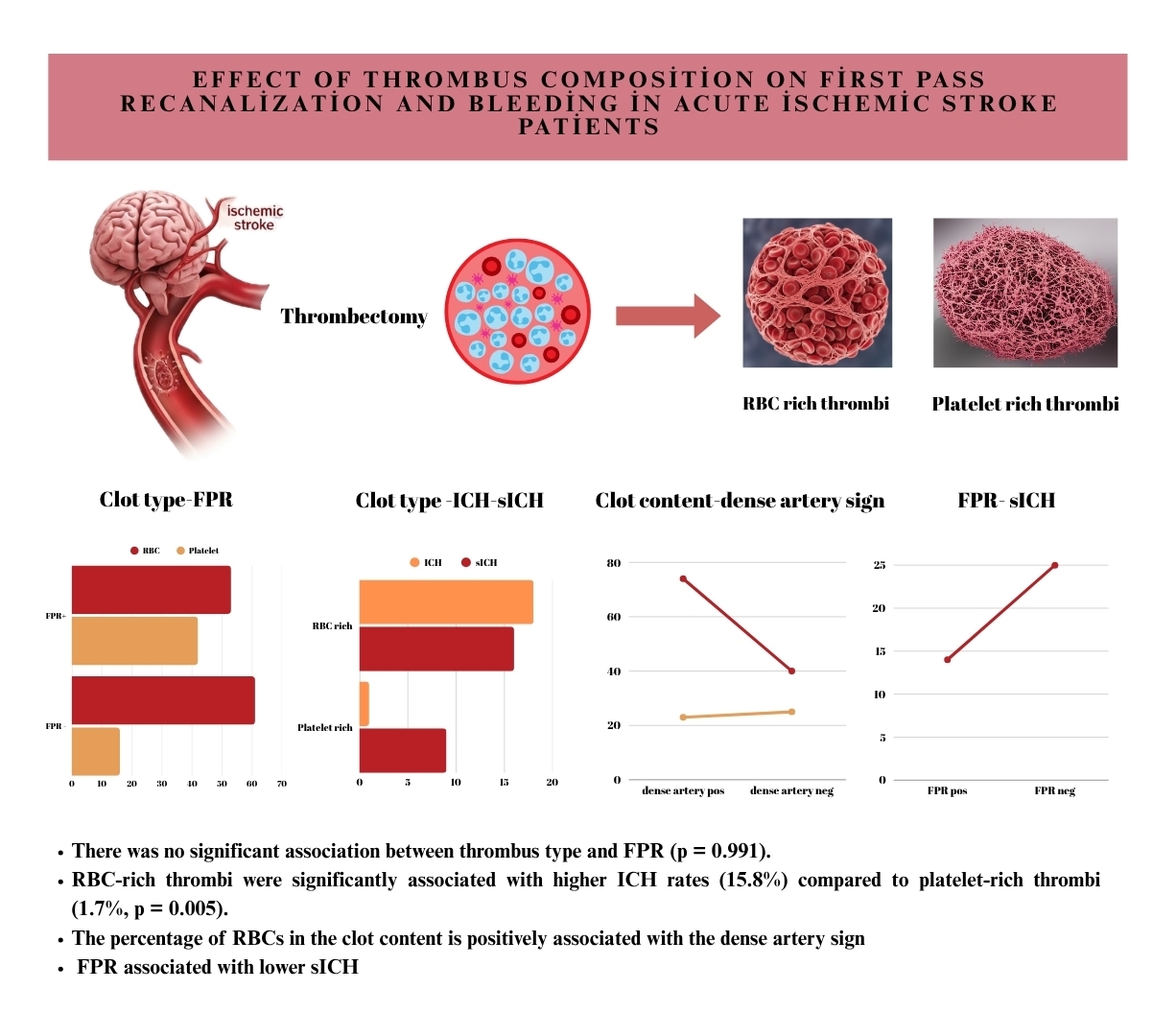
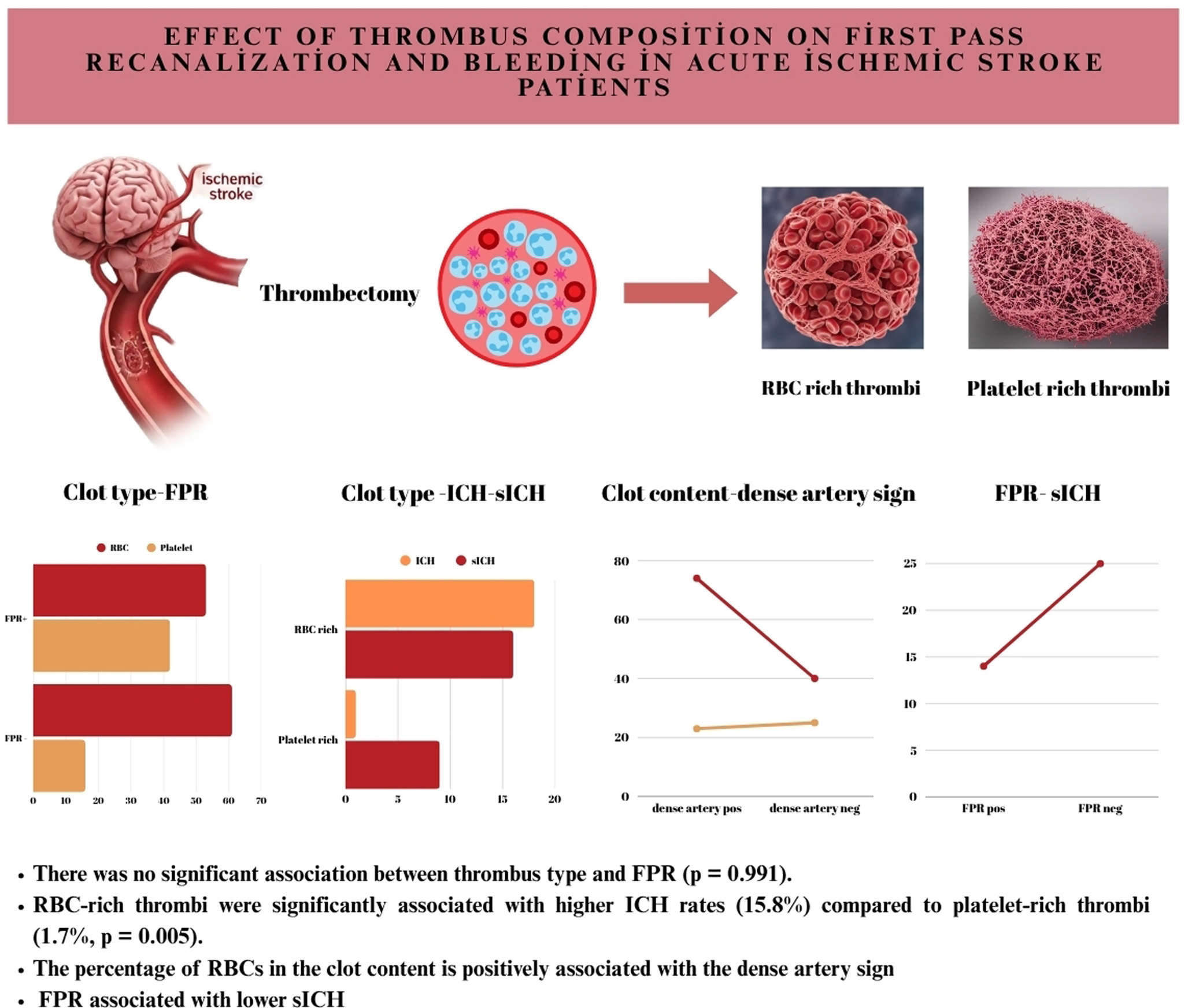

Specifically, it investigates whether clots rich in red blood cells (RBCs) or those dominated by platelets and fibrin influence the likelihood of achieving first-pass recanalization (FPR)—a successful reopening of the blocked artery in a single attempt—and the risk of bleeding complications. While clot composition was not significantly linked to FPR success, it was strongly associated with the risk of intracranial hemorrhage. These findings suggest that clot histology could play a key role in predicting post-treatment complications, highlighting its potential clinical value beyond the known importance of achieving FPR.

Follow the Topic
-
Journal of Thrombosis and Thrombolysis
This journal is a resource for those involved in the treatment and clinical investigation of thrombotic disorders involving the cardiovascular and cerebrovascular systems.

Related Collections
With Collections, you can get published faster and increase your visibility.
Thrombosis and bleeding in structural heart disease – current evidence and clinical challenges
This collection aims to bring together cutting edge-reviews and clinical perspectives on thrombosis and bleeding in structural heart disease. Manuscript are welcome that address pathophysiology of device- and procedure related thrombotic risk (e.g. in TAVR, mitral and tricuspid interventions, LAA and PFO occlusion, VADs). Moreover, the collection will consider papers about clinical and procedural risk assessment including novel imaging techniques and biomarker analysis and will also cover gender and ethnic differences of thrombotic and bleeding risk after structural heart interventions.
Publishing Model: Hybrid
Deadline: Oct 31, 2026