Electroacupuncture-Based Bioelectrical Reactivity Assessment in Long COVID: Clinical Trial Now Enrolling
Published in Research Data and Biomedical Research
Explore the Research

 datalookout.com
DataLookout — Clinical Trial Intelligence
Track sponsor moves, protocol changes, and new entrants across 400,000+ trials from ClinicalTrials.gov
Long COVID remains a clinically heterogeneous condition with persistent symptoms that are not fully explained by conventional organ-based models. There is a growing need for diagnostic approaches capable of capturing functional and systemic dysregulation, particularly within autonomic and neuroimmune domains.
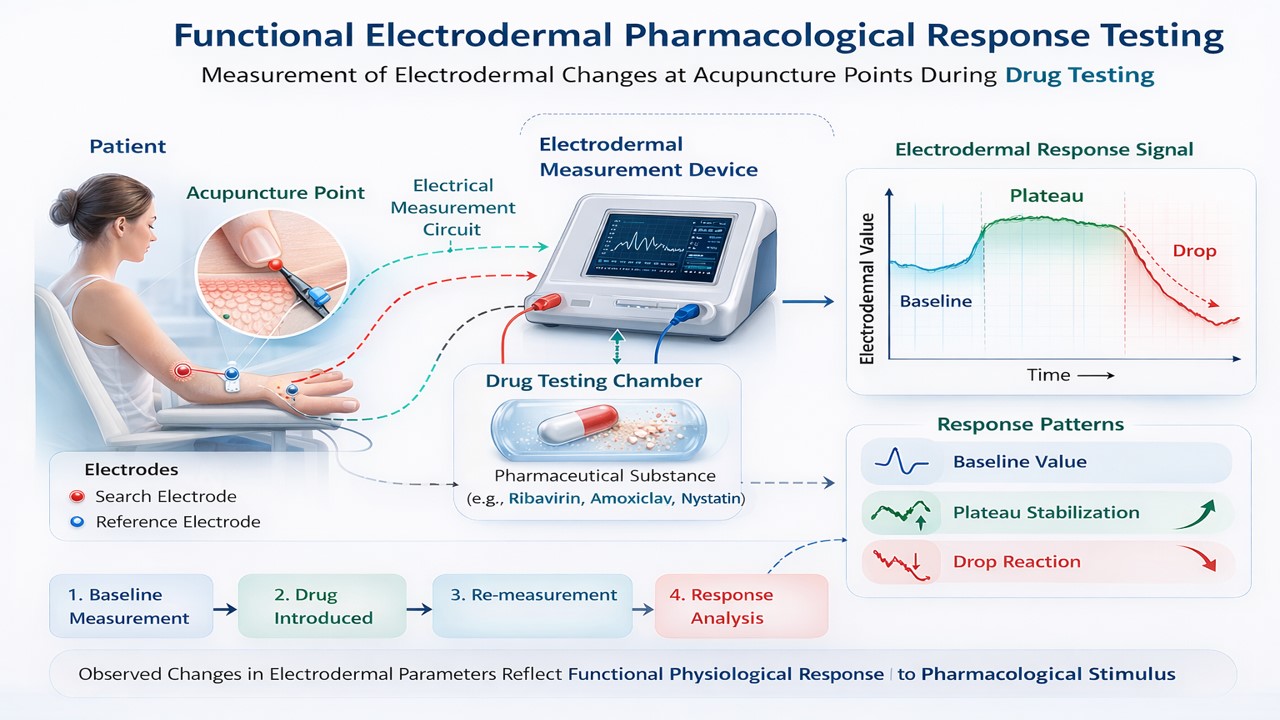
We are currently conducting a registered clinical investigation (ClinicalTrials.gov ID: NCT07343856) focused on the evaluation of bioelectrical response patterns using electroacupuncture-based medicament testing (EAV).
The study is designed as a non-invasive, single-session diagnostic assessment, with no pharmacological intervention. Its primary objective is methodological: to characterize reproducible bioelectrical reactivity patterns associated with persistent post-viral states.
Key aspects of the protocol:
- Population: Adults with confirmed SARS-CoV-2 infection and persistent symptoms ≥12 weeks
- Design: Single-arm diagnostic study
- Method: Electrodermal measurement with medicament testing (external stimulus exposure only)
- Outcome focus:
- Identification of bioelectrical patterns consistent with viral persistence
- Distribution and structure of reactivity responses during testing
The working hypothesis is that bioelectrical reactivity patterns may reflect functional correlates of chronic pathological processes, potentially offering an additional diagnostic layer complementary to standard laboratory methods.
This study does not aim to establish etiology or treatment selection, but rather to evaluate whether stable and interpretable signal patterns can be detected under controlled conditions.
I would be particularly interested in discussion on:
- Methodological validation strategies for electrodermal signal-based diagnostics
- Approaches to improve reproducibility in bioelectrical measurements
- Potential integration of functional diagnostics into conventional clinical frameworks
- Suitable experimental designs for independent replication in laboratory settings
Given the challenges in studying subtle bioelectrical phenomena, collaboration with laboratories experienced in electrophysiology, skin conductance analysis, or low-intensity electromagnetic interactions would be highly valuable.

Neurologist with over 40 years of experience.
An expert on medicament testing that allows for the detection of various infections using homeopathic and allopathic drugs. Author of a unique technology for the therapy of various infectious diseases using information about the drug instead of using the drug itself internally, which significantly expands the possibilities of the therapy, which is relevant in the treatment of chronic pathology