From Curiosity to Conservation: My Journey Protecting Coastal and Wetland Biodiversity
Published in Ecology & Evolution

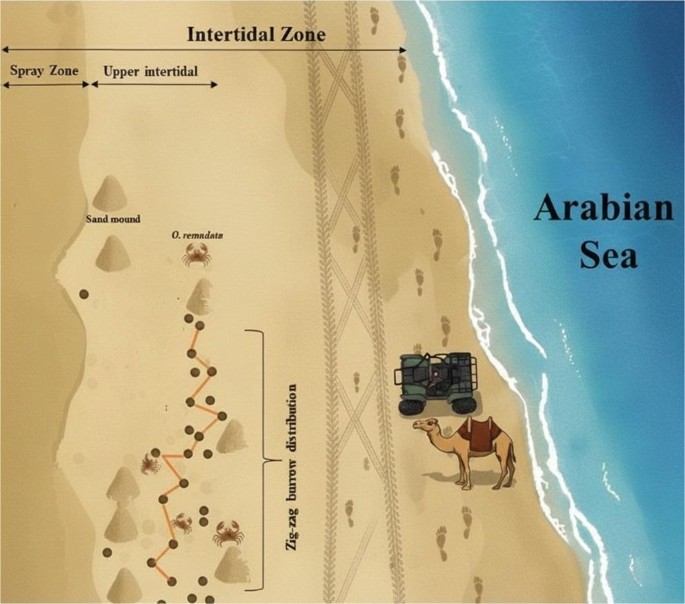

My fascination with wetlands and coastal ecosystems began during field visits to western India. What initially appeared to be barren mudflats, salt marshes, and seasonal water bodies soon revealed an incredible diversity of life. Migratory birds, fish, crustaceans, reptiles, and countless smaller organisms depended on these habitats for survival.
As I spent more time in the field, I realized that these ecosystems support not only wildlife but also local communities that rely on them for fishing, grazing, salt production, and other livelihoods. This realization inspired me to better understand these landscapes and contribute to their conservation.
Exploring Dynamic Ecosystems
Wetlands and coastal habitats are constantly changing. Seasonal rainfall, tidal movements, and temperature fluctuations shape the availability of food, water, and shelter for wildlife. These changes make the ecosystems both productive and vulnerable.
Through biodiversity surveys and habitat assessments, I documented species presence, habitat conditions, and ecological interactions. Every field visit provided new insights into how species adapt to environmental changes and how ecosystems function as interconnected systems.
Learning from Local Communities
One of the most valuable aspects of this journey has been engaging with local communities. Residents possess generations of knowledge about seasonal changes, wildlife movements, and ecosystem dynamics.
Their observations often complemented scientific findings and helped identify conservation priorities. These interactions reinforced the importance of combining scientific research with local knowledge to achieve effective conservation outcomes.
Challenges and Discoveries
Fieldwork in coastal and wetland environments comes with many challenges. Extreme weather conditions, difficult terrain, and seasonal accessibility often required flexibility and patience. Despite these obstacles, the experience was rewarding.
Among the most memorable moments were observing migratory birds using critical stopover habitats, documenting species in areas with limited previous records, and witnessing the resilience of ecosystems recovering from environmental stress.
Why Conservation Matters
Wetlands and coastal habitats provide essential ecosystem services. They support biodiversity, improve water quality, store carbon, reduce erosion, and help communities adapt to climate-related challenges.
However, these ecosystems face increasing pressures from habitat degradation, unsustainable resource use, and climate change. Protecting them requires collaborative action involving researchers, communities, policymakers, and conservation organizations.
Lessons Learned
This project taught me that conservation is as much about people as it is about wildlife. Long-term success depends on understanding ecological processes, building local partnerships, and fostering stewardship among communities.
Every survey, community discussion, and field observation strengthened my appreciation for these remarkable ecosystems and the need to protect them for future generations.
Looking Ahead
The journey continues. Future efforts will focus on strengthening biodiversity monitoring, supporting community-led conservation initiatives, and generating scientific evidence that can guide management and policy decisions. By working together, we can help ensure that wetlands and coastal ecosystems remain healthy, resilient, and rich in biodiversity.

I am a Senior Scientist at the Gujarat Institute of Desert Ecology (GUIDE) with over 15 years of experience in marine scientific research, specializing in Marine Planktonology, Harmful Algal Blooms (HABs), and Waste Water Treatment. My career has spanned major research institutions in both India and China, where I have led numerous projects on climate change impacts, coastal biodiversity, and microbial fuel cell technology.
I currently serve as an Academic Editor for BMC Environmental Science and several other prestigious journals. I am deeply committed to advancing our understanding of blue economy initiatives and the ecological restoration of coastal and estuarine environments. I joined this community to collaborate with fellow editors on improving peer-review standards and addressing emerging challenges in environmental sciences."
Follow the Topic
-
Thalassas: An International Journal of Marine Sciences
This is an international journal devoted to multidisciplinary studies in marine sciences.

Related Collections
With Collections, you can get published faster and increase your visibility.
Sustaining Life Below Water: Conserving, managing, and protecting our marine and freshwater resources
In support of the UN Sustainable Development Goal SDG14 we are calling for submissions for this new collection on Sustaining Life Below WaterPlastic waste, overfishing, ocean acidification, increasing eutrophication are some of the major threats endangering our oceans, rivers and lakes. With this collection we aim to create a cross-disciplinary home for research articles, perspectives, and emerging topics addressing the conservation and sustainability of the use of our marine and freshwater resources. By putting scholarship supporting this UN Goal in the spotlight we hope to increase the scientific knowledge and awareness of the targets and indicators set by the UN Goal such as reducing marine pollution, strengthening resilience, restoring coastal ecosystems, minimizing the impacts of ocean acidification, reducing destructive fishing practices, providing access for small-scale fishers to marine resources and markets and more.
We call for submissions on (but not limited to) the following topics:
•Biotelemetry and bio-logging
•Dam removal policy and development
•Economic benefits to Small Island developing States and least developed countries through sustainable management of fisheries, aquaculture and tourism
•Effects of reef degradation on ecosystem goods and services
•Environmental DNA and RNA
•Environmental flows
•Fish migration and passage
•Fisheries-induced evolution
•Floodplain management
•Hydropower mitigation
•Links between reef health and human health
•Methods and case studies and their scientific assessment, to manage, protect, and restore wetlands, to prevent and significantly reduce wetland pollution, in particular from land-based activities, including sedimentation from poor land-use, plastic and nutrient pollution
•Physiology and health of wild fish
•Preventing and reducing (plastic) pollution/waste in particular from land-based activities, including marine debris and nutrient pollution
•Policy development in river and lake management
•Reducing/minimizing ocean acidification
•Regulating harvesting, ending of overfishing and destructive fishing practices, and science-based management plans to restore fish stocks
•Restoration goals in lake management River and lake restoration
•Strengthening resilience and restoration of coastal ecosystem Understanding and improving sustainable use of coral reef resources.
How to submit? Please use the Submit to this journal link from the participating journals. These journals can be viewed in the right menu. During submission you will be asked if you would like your article to be included in a Topical Collection. Select ‘Yes’ and select the name of this collection from the drop down menu: TC: Sustaining Life Below WaterSubmissions to the collection may be original research articles, perspectives or review articles. Please read the submission guidelines for each journal before submitting. Each submission will undergo thorough and rigorous peer review according to each journal’s peer review editorial policy. Accepted articles will be published in their respective journal and will benefit from being cross-linked as well on the collection page.
The following journals are participating in this collection:
•Aquatic Ecology
•Aquaculture International
•Aquatic Sciences
•Coral Reefs
•Environmental Biology of Fishes
•Estuaries and Coasts
•Fish Physiology and Biochemistry
•Fisheries Science
•Hydrobiologia
•Journal of Applied Phycology
•Journal of Coastal Conservation
•Journal of Ocean University China
•Limnology
•Marine Biology
•Marine Biotechnology
•Maritime Studies
•Ocean Science Journal
•Reviews in Fish Biology and Fisheries
•Thalassas: An International Journal of Marine Sciences
•Wetlands Ecology and Management
Publishing Model: Hybrid
Deadline: Ongoing