Be fair to all urban park users
Published in Sustainability, Civil Engineering, and Arts & Humanities

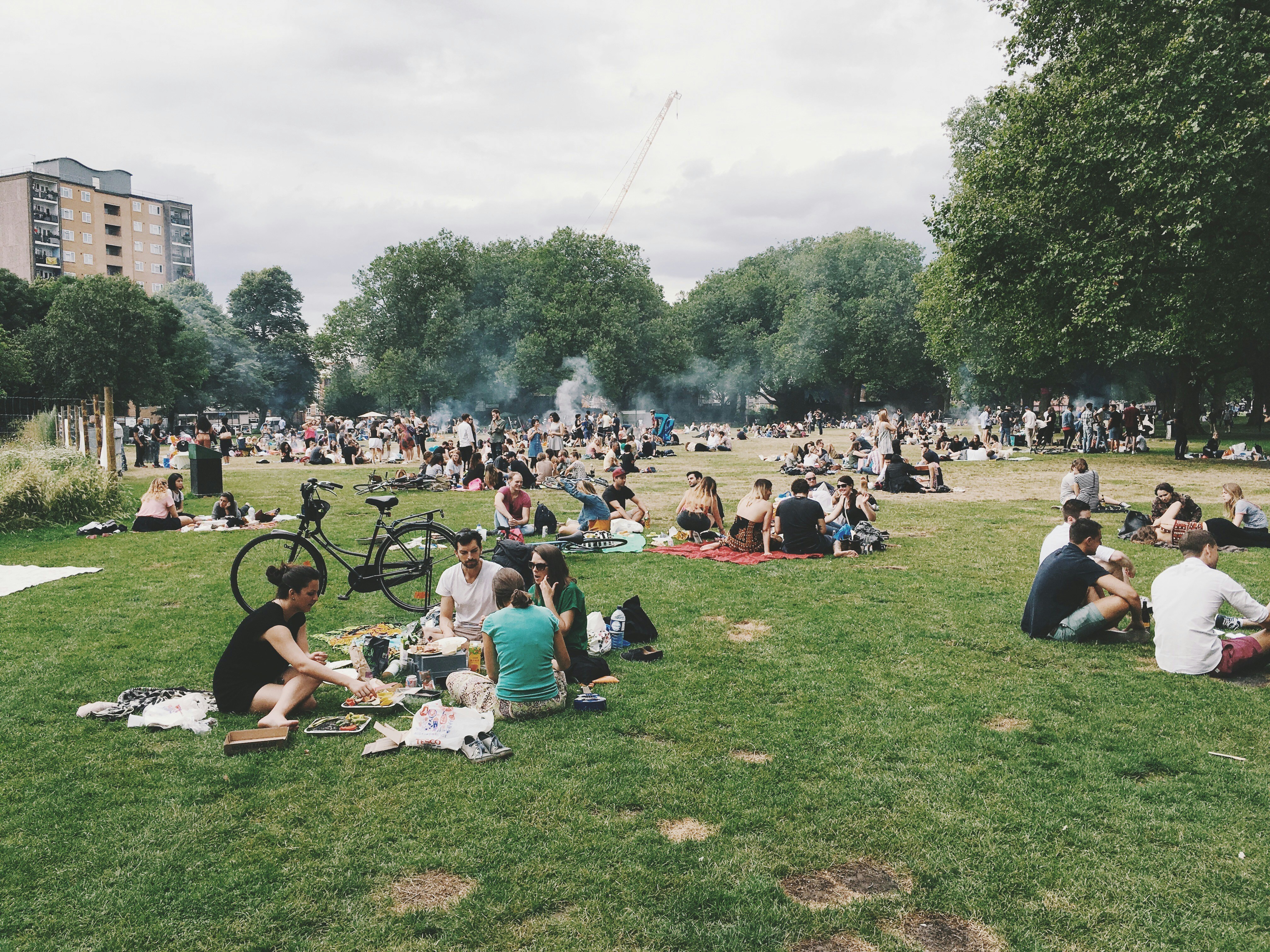

The global urban population is projected to increase by 2.2 billion people by 2050, placing
substantial pressure on urban ecosystems and green spaces. This rapid growth poses significant
challenges to the development of green, livable, and resilient cities.
Urban parks—distinct from general green spaces due to their larger size, multifunctional amenities, and public accessibility— play a pivotal role in enhancing urban well-being4,5. They offer ecological functions such as climate regulation and biodiversity support, while simultaneously serving as inclusive public spaces that foster health, recreation, and social cohesion.
Urban parks contribute to resident well-being through various and interconnected pathways. According to the Millennium Ecosystem Assessment framework8, parks support multiple aspects of human well-being—such as safety, material needs, and social relations—by providing regulating services (e.g., mitigating heat island effects) and cultural services (e.g., aesthetic and recreational benefits).
From a social geography perspective, the quality of urban parks forms the resource base that influences residents' quality of life and subjective well-being. Therefore, understanding and quantifying these contribution pathways is critical, not only for addressing urban environmental needs but also for evaluating urban sustainability.
We suggest that future research should integrate higher-resolution spatial and demographic data to better reveal intra-urban disparities, particularly in vulnerable groups. Spatially, higher-resolution remote sensing data can improve the accuracy of key metrics like park greenness. Combining this with fine-grained demographic and socioeconomic data will help identify spatial mismatches between service provision and actual demand, supporting more targeted equity interventions.
As cities expand and environmental pressures intensify, developing context-specific green infrastructure strategies will be crucial for ensuring an inclusive and resilient urban future, particularly in resource-constrained settings.
Our team is captained by Prof Wenhui Kwang of the CAS IGSNRR in Beijing, and I am happy to be one of the major team members in this research.
I do believe we should raise the issue to ensure everybody is enjoying the urban parks and mitigate the risk of injustice or unfairness.
Please contact Prof Kwang for more of your opinions by this email: kuangwh@igsnrr.ac.cn
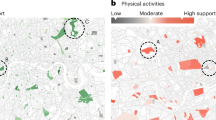
Please read our paper, titled "Global disparities in urban parks deepen inequality in resident well-being" in this link in the npj Urban Sustainability: https://www.nature.com/articles/s42949-026-00371-8
Follow the Topic
-
npj Urban Sustainability
An open access, online-only journal for urban scientists, policy makers and practitioners interested in understanding and managing urbanization processes.

What are SDG Topics?
An introduction to Sustainable Development Goals (SDGs) Topics and their role in highlighting sustainable development research.
Continue reading announcementRelated Collections
With Collections, you can get published faster and increase your visibility.
Urban Sustainability in the Global South 2026
Publishing Model: Open Access
Deadline: May 05, 2027
Regenerative Development: Design Applications in the Urban Environment
Publishing Model: Open Access
Deadline: Nov 24, 2026