Happy Birthday Biomedical Materials Science!
Published in Bioengineering & Biotechnology, Materials, and Biomedical Research

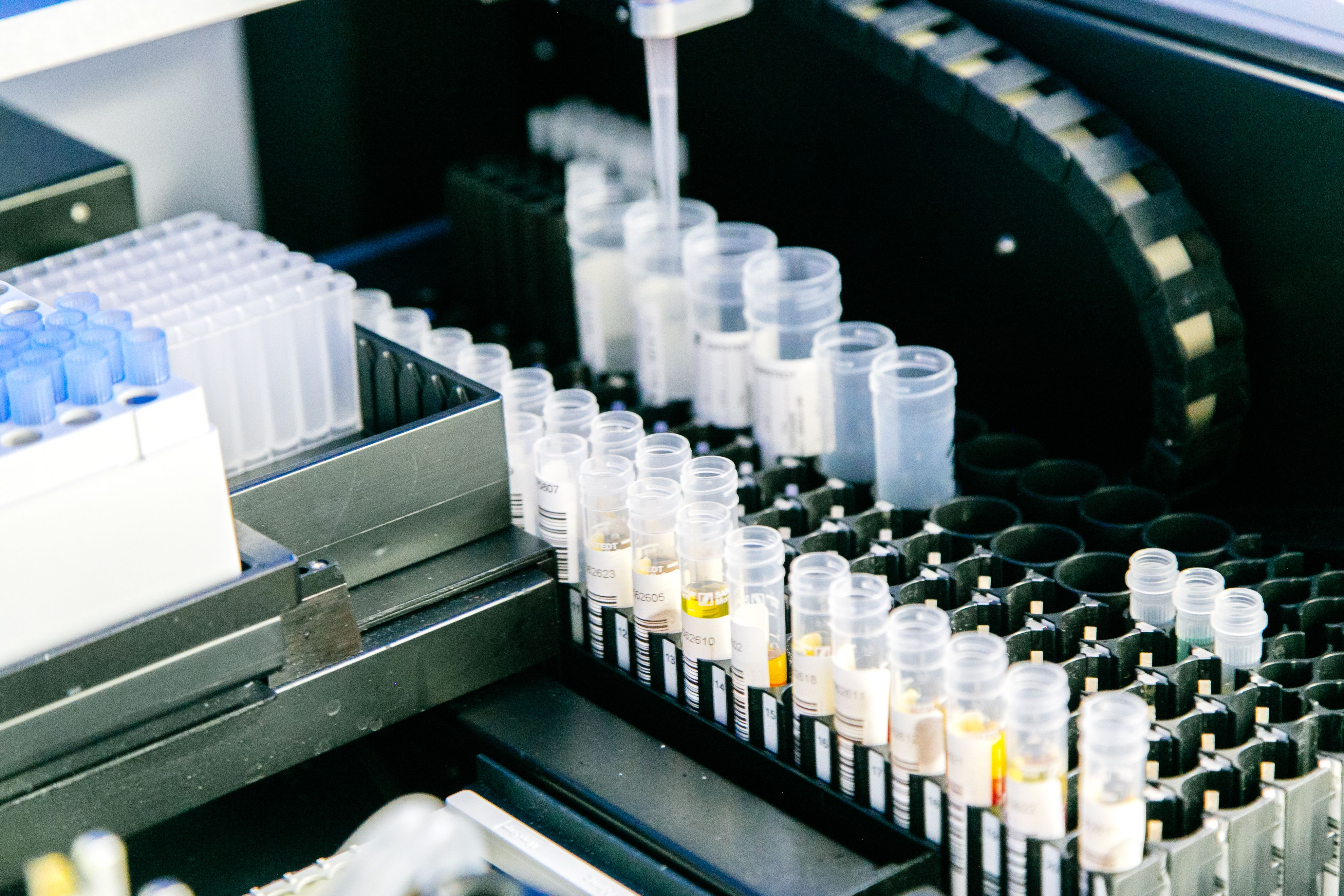
Just over a year ago, we launched Biomedical Materials Science with a simple but ambitious goal: to provide an open-access home for high-quality research at the interface of materials science, engineering, biology, and medicine. Since publishing our inaugural editorial, Introducing Biomedical Materials Science: advancing materials innovation for real-world healthcare impact, the journal has begun to establish itself as a venue for innovative and interdisciplinary research that addresses some of healthcare's most pressing challenges.
As we celebrate our first anniversary, we'd like to take a moment to reflect on the journal's journey so far, highlight some of the outstanding research we've published, and thank the editors, authors, reviewers, and readers who have helped make this first year such a success.
Building a Global Editorial Team
A strong journal starts with a strong editorial board, and we have been fortunate to bring together an exceptional group of researchers from across the biomedical materials landscape.
Under the leadership of Editor-in-Chief Gianni Ciofani (Italian Institute of Technology, Italy), our Associate Editors represent a wide range of expertise, from biomaterials and tissue engineering to nanomedicine, bioelectronics, regenerative medicine, and artificial intelligence in healthcare. Their dedication has been instrumental in helping us establish rigorous editorial standards while fostering a welcoming and supportive experience for authors.
We would like to thank all our Associate Editors, including Steven Cui, Aitor Larrañaga Espartero, Dorna Esrafilzadeh, Carmine Gentile, Tiantian Kong, Alan Li, Aida Serra Maqueda, Attilio Marino, Nicola Contessi Negrini, Mariana Oliveira, Dan Romanyk, Ervin Sejdic, Tiago H. Silva, Christos Tapeinos, and Lorenzo Vannozzi, for contributing their expertise and vision during the journal's formative year.
Research Highlights from Our First Year
One of the most exciting aspects of launching a new journal is watching the breadth of topics that emerge from the community. Over the past year, Biomedical Materials Science has published work spanning nanomedicine, tissue engineering, antimicrobial technologies, bioelectronics, regenerative medicine, and artificial intelligence.
To celebrate our first anniversary, we have selected a few publications that capture the interdisciplinary spirit of the journal.
Biomaterials Meet Artificial Intelligence
The integration of AI and biomaterials has rapidly become one of the most exciting areas in the field. In Innovative wound nanofiber mats: revolutionizing wound care through quality by design and artificial intelligence, the authors explored how data-driven approaches can accelerate the development of advanced wound-healing materials. The article highlights how artificial intelligence can be leveraged to optimize material design and manufacturing processes, opening new opportunities for personalization and efficiency in healthcare.
Tackling Antimicrobial Resistance
Antimicrobial resistance remains one of the greatest global healthcare challenges. Two notable publications addressed this topic from different perspectives.
In Antimicrobial resistance: emerging therapeutic alternatives and their translational limitations, the authors examined promising alternatives to conventional antibiotics while highlighting the barriers that remain before many of these technologies can reach clinical practice.
Meanwhile, Comparative screening of porphyrins and chitosan-porphyrin composites as potential antibacterial photodynamic inactivation photosensitizers against multidrug-resistant ESKAPE pathogens demonstrated the continued innovation occurring in antimicrobial materials and photodynamic therapies.
Together, these articles showcase the critical role that materials science can play in combating resistant infections.
Looking Beyond Traditional Therapies
Several publications explored the future of advanced therapeutics and regenerative medicine.
The Perspective article Extracellular vesicles in longEVity medicines discussed the growing interest in extracellular vesicles as next-generation therapeutic tools and their potential applications in longevity-focused medicine.
Similarly, Organic-based nanoparticles for theranostic uses reviewed emerging nanoparticle systems capable of combining diagnosis and therapy within a single platform, an area that continues to attract significant attention across nanomedicine.
Neurotechnology and Bioelectronics
One of the journal's most recent publications, Beyond electrical stimulation: toward neurotransmitter-mediated synaptic prostheses, offered a compelling look at the future of neural interfaces. Rather than focusing exclusively on electrical stimulation, the review explored approaches that more closely mimic natural neural communication through neurotransmitter delivery.
The paper reflects the increasingly multidisciplinary nature of biomedical materials research, where advances in neuroscience, engineering, chemistry, and materials science converge to create transformative healthcare technologies.
From Fundamental Materials to Clinical Applications
The journal has also published work with direct clinical relevance.
From research investigating the strengthening of porcelain laminate veneers using preheated resin-based composites, to reviews examining the safety and effectiveness of PEEK cages for spinal fusion procedures, these studies demonstrate the broad applicability of biomaterials research across diverse medical specialties.
Looking Ahead
Our first year has reinforced what we already suspected: biomedical materials science is a vibrant and rapidly evolving field driven by collaboration across disciplines.
As we move into our second year, we are excited to continue expanding our editorial board, launching new article collections, and publishing cutting-edge research in biomaterials, tissue engineering, regenerative medicine, nanotechnology, bioelectronics, artificial intelligence, robotics, and beyond.
Most importantly, we remain committed to supporting researchers whose work has the potential to translate innovative materials into real-world healthcare solutions.
Thank You
Launching a journal is a collective effort, and we would like to extend our sincere thanks to our Editorial Board, reviewers, authors, and readers for their support during this first year.
We are incredibly proud of what the community has helped us build so far, and we look forward to seeing what the next year brings for Biomedical Materials Science.
Happy first birthday, Biomedical Materials Science! 🎉
Follow the Topic
-
Biomedical Materials Science
Biomedical Materials Science is dedicated to the advancement of biomaterials science, with a primary focus on the application and use of biomedical materials in medicine and healthcare.

Related Collections
With Collections, you can get published faster and increase your visibility.
Immunomodulatory Biomaterials for Tissue Regeneration and Advanced Tissue Modeling
This Collection highlights the immune system as a central player in tissue repair and engineering. It focuses on biomaterials, cellular therapies, and combined cell-biomaterial strategies that actively modulate immune responses to promote regeneration and restore tissue function. Bringing together research at the interface of materials science, immunology, and bioengineering, it also explores approaches for developing advanced, physiologically relevant tissue models with immunologic components. The Collection is focused on advanced strategies to guide immune response, improving healing outcomes and supporting the development of next-generation regenerative therapies and tissue modeling platforms.
All submissions in this Collection undergo the journal’s standard peer review process. Similarly, all manuscripts authored by a Guest Editor(s) will be handled by the Editor-in-Chief. As an open access publication, this journal levies an article processing fee (details here). We recognize that many key stakeholders may not have access to such resources and are committed to supporting participation in this issue wherever resources are a barrier. For more information about what support may be available, please visit OA funding and support, or email OAfundingpolicy@springernature.com or the Editor-in-Chief.
Publishing Model: Open Access
Deadline: Jan 20, 2027
Research from Global Congress on Biomedical Engineering and Bioengineering Innovations (BEBI-2026)
This collection will highlight selected topics presented and discussed at the Global Congress on Biomedical Engineering and Bioengineering Innovations (BEBI 2026)—a leading international forum committed to advancing research, technology, and innovation in the field of biomedical engineering.
BEBI 2026 brings together a global community of researchers, scientists, healthcare professionals, industry leaders, and innovators to explore transformative breakthroughs that are shaping the future of healthcare. Through dynamic keynote presentations, hands-on workshops, and insightful panel discussions, the conference offers a powerful platform for knowledge exchange, interdisciplinary collaboration, and the promotion of cutting-edge bioengineering solutions.
This congress is designed to foster meaningful dialogue among experts from both academia and industry—spanning engineers, biologists, healthcare practitioners, informatics and computer scientists, entrepreneurs, and executive leaders. Participants will engage with both theoretical developments and real-world applications of technologies such as artificial intelligence, signal processing, information systems, and biomedical electronics across medicine and biology. Authors of oral and poster abstracts that are accepted at the congress are invited to submit a paper to this collection. All contributions will undergo the standard review process.
All submissions in this Collection undergo the journal’s standard peer review process. Similarly, all manuscripts authored by a Guest Editor(s) will be handled by the Editor-in-Chief. As an open access publication, this journal levies an article processing fee. We recognize that many key stakeholders may not have access to such resources and are committed to supporting participation in this issue wherever resources are a barrier. For more information about what support may be available, please visit OA funding and support, or email OAfundingpolicy@springernature.com or the Editor-in-Chief.
Publishing Model: Open Access
Deadline: Dec 10, 2026


