Harnessing the potential of CAR-NK cell therapy in gastrointestinal cancers: From bench to bedside
Published in Cancer
Explore the Research

 sciencedirect.com
Just a moment...
Skip to main content
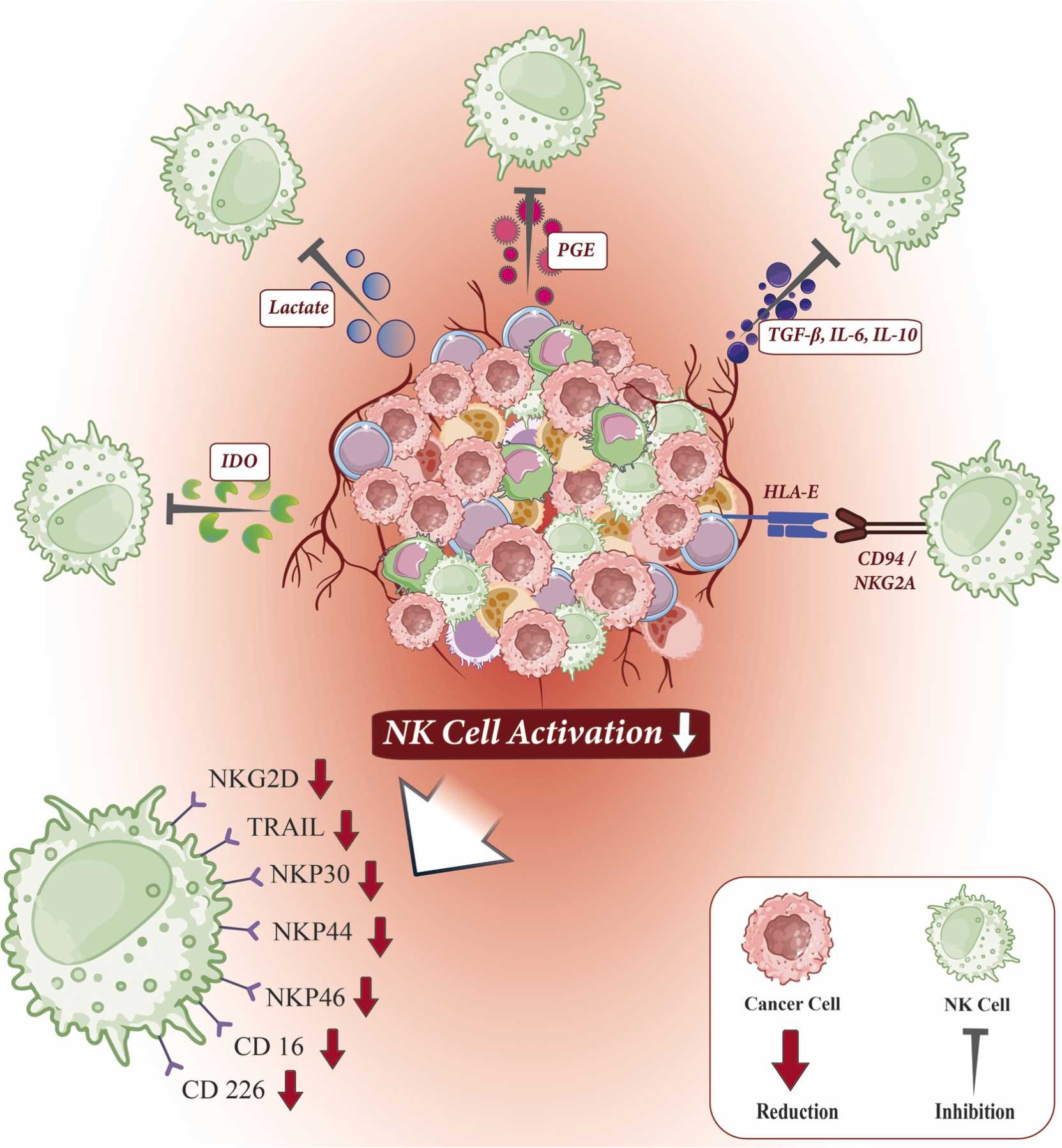
This review examines the therapeutic potential of chimeric antigen receptor–engineered natural killer (CAR‑NK) cells in gastrointestinal (GI) malignancies, synthesizing preclinical and early clinical evidence across pancreatic, hepatocellular, colorectal, gastric, esophageal and tongue cancers. It frames CAR‑NKs as a next‑generation cell therapy that couples CAR‑mediated antigen specificity with NK cells’ innate, CAR‑independent cytotoxicity, offering a favorable safety profile (reduced cytokine release syndrome and graft‑versus‑host disease risk) and suitability for allogeneic, off‑the‑shelf manufacture. The authors detail key obstacles in solid tumors—tumor heterogeneity, immunosuppressive tumor microenvironment (TME), poor trafficking and metabolic suppression of NK function—and propose engineering and combinatorial strategies to overcome them, including NK‑optimized costimulatory domains (DNAM1, 2B4), chemokine receptor armoring (e.g., CXCR2), cytokine support (IL‑15 armoring), STING pathway activation, checkpoint modulation, and regional delivery methods to enhance tumor infiltration and persistence.
Cancer‑specific target summaries highlight promising antigenic candidates and associated advances: in pancreatic cancer (MSLN, PSCA, FRα/DR4‑5, ROBO1; CAF‑targeting and PDGFRB modulation to improve NK access), in hepatocellular carcinoma (GPC3, c‑MET, CD147; TGF‑βRII/NKG2D chimeric receptors to resist immunosuppression), in colorectal cancer (CEA, EpCAM, CD133, NKG2D‑based constructs), and in gastric, esophageal and tongue cancers (HER2, PD‑L1, MUC1, CD22, CD276). The review catalogs preclinical models, organoid platforms and limited clinical trials, underscoring encouraging antitumor activity with acceptable toxicity in early studies and specific case reports.
Concluding recommendations prioritize NK‑centric CAR design, robust preclinical evaluation using organoids and advanced in vivo models, strategic combinations with TME‑modulating agents, and scalable manufacturing to translate CAR‑NK therapies into effective clinical options for high‑mortality GI cancers.
See here for the article: https://www.sciencedirect.com/science/article/pii/S0753332225005748
-Kamyar Bagheri

Kamyar Bagheri is a graduate in Medical Laboratory Sciences from Abadan University of Medical Sciences and recipient of the Outstanding Student Researcher Award (2025). His research interests include cancer immunology, translational oncology, hematologic malignancies, molecular oncology, and cellular immunotherapy. He has co-authored peer-reviewed publications in international journals covering cancer immunotherapy, molecular oncology, and related fields. He is particularly interested in translating discoveries in cancer biology into innovative therapeutic strategies through interdisciplinary research. His long-term goal is to contribute to the development of precision immunotherapies for hematologic and solid malignancies.