Highlights of the BMC Series - December 2025
Published in Microbiology, General & Internal Medicine, and Zoology & Veterinary Science





BMC Zoology - “King of the Riverside”, a multi-proxy approach offers a new perspective on mosasaurs before their extinction
Mosasaurs are usually thought of as apex marine predators that lived during the Cretaceous period. However, in 2022, a mosasaurine tooth crown was found in the Hell Creek Formation, Morton County, North Dakota, a fossil locality lacking marine taxa but dominated by terrestrial and freshwater species. This discovery of a mosasaurine tooth crown raised questions whether mosasaurs really roamed freshwater rivers? or it had been carried from the ocean after death?
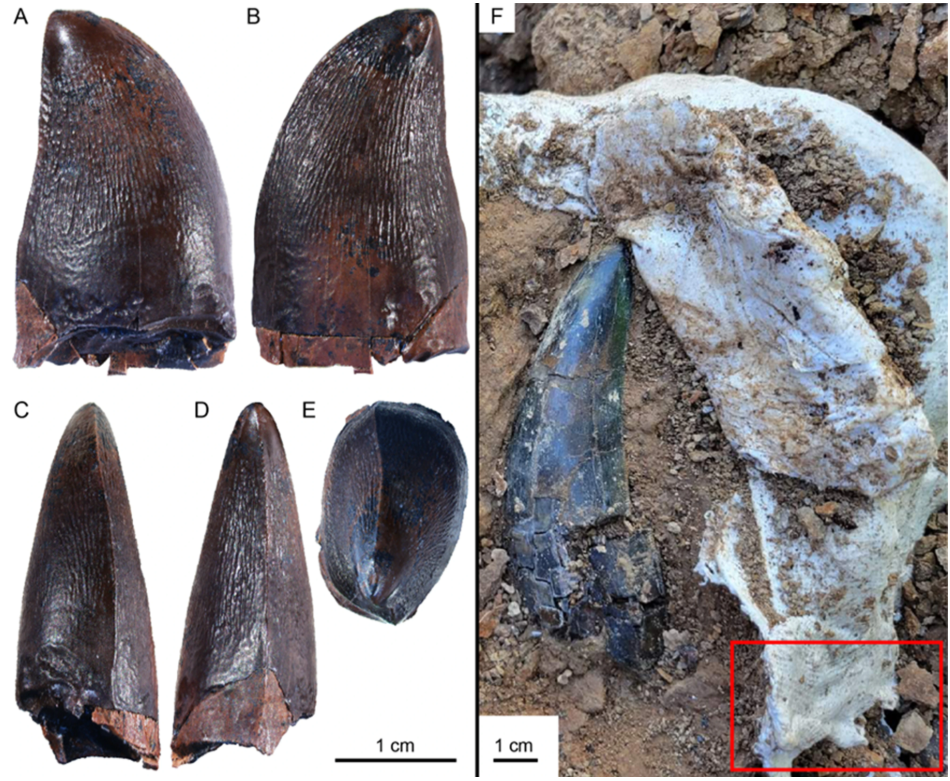
To unravel these uncertainties, researchers have employed a multi-proxy approach and investigated the tooth’s chemical makeup through several isotope analyses (including carbon, oxygen, and strontium) and examining the tooth’s morphology and comparing it with known mosasaur species. The ‘chemical signature’ of mosasaurine tooth showed that the tooth was formed while the mosasaur lived in a freshwater environment and not in the marine.
These findings suggest that mosasaurus adapted to freshwater environments and, due to this, mosasaurs survived and thrived in various ecological niches during the Late Cretaceous. This study challenges assumptions of mosasaurs as strict marine animals, showing us a much clear picture of how flexible and adaptable they were.
BMC Veterinary Research - Deep breath out: molecular survey of selected pathogens in blow and skin biopsies from North Atlantic cetaceans
Several pathogens, such as morbillivirus, herpesvirus, Brucella spp., and avian influenza virus (AIV) are associated with whale health and population dynamics, affecting whales globally, including in the Northeast (NE) Atlantic. Therefore, pathogen surveillance becomes crucial in free-swimming whales, but pathogen surveillance in free-living whales are limited.

To understand what is happening with living humpback, sperm, and fin whales of the NE Atlantic, scientists used drones to collect ‘blow’ samples (whales exhale) and small skin samples. Further, scientists screened these samples through polymerase chain reaction (PCR), and they found that cetacean morbillivirus was present in the blows of two asymptomatic groups of humpback whales, one sperm whale in poor health and in the kidney of a stranded pilot whale. They also detected herpesviruses in several humpback whale groups and in one skin biopsy whereas AIV or Brucella bacteria were not detected in any samples.
These findings suggest that the use of drones for ‘blow sampling’ is an effective, minimally invasive sampling technique that can be used for pathogen surveillance in free-ranging cetaceans. Moreover, continued pathogen exposure monitoring is important for understanding disease dynamics, assessing health implications, and helping guide future conservation strategies.
BMC Endocrine Disorders - Australasian periprocedural guideline for children and adolescents with diabetes mellitus
Preparing children and adolescents with type 2 diabetes (T2D) for surgery is a challenging task for family and health care professionals (HCP), as during periprocedural period, young diabetics are at risk of low or high blood sugar. Additionally, due to the variety of insulin regimens, glucose monitoring methods, introduction of new medications, and varying levels of practitioner experience, managing T2D has become more complex. Therefore, it is essential to have clear guidelines to support healthcare staff of all backgrounds and ensure tailored treatment for each young patient.

© supersizer via Getty Images
Through this study, researchers have developed a guideline using a co-design approach, involving doctors, nurses, diabetes specialists, anaesthetists, and families with lived experience. This guideline ensures an early checklist for everyone involved, keeping the guideline patient centric, defining procedure classifications (minor, major, elective, or emergency) and recommending blood glucose levels between 5-10 mmol/L throughout the perioperative period. It also guides the use of glucose monitors, insulin pumps, fasting, blood sugar management, and insulin regimens.
This study provides guidance through which healthcare providers can deliver safe, comprehensive, and patient-centered care throughout the periprocedural period. Also, the study underscores the need for a validated, nationally standardized protocol.
BMC Health Services Research - Unmet need for healthcare services among unemployed people – findings from a national survey in Finland
Have you ever thought how complicated healthcare access can be for people who are unemployed or lost their jobs? Researchers have analyzed the Healthy Finland Survey (2022–2023) to decode the use of healthcare services among unemployed people compared to people who are working. They also investigated how different health-related factors affect healthcare access among these individuals.

©Maskot via Getty Images
After analyzing sociodemographic and health-related factors, researchers found that unemployed people were much more likely to have poorer overall health, including long‑term illnesses, psychological distress, limited functional ability, and reduced work capacity. Despite these complications, 23% unemployed individuals reported no need for a doctor, whereas 41% reported unmet needs. This failure to recognize the need for healthcare or access to healthcare is due to the high out-of-pocket payments, poor financial situation, and absence of employer‑supported healthcare.
Further, this study reveals that unmet healthcare needs are particularly associated with poor work ability and long-term illness. The study highlights the need for a more proactive approach and low-threshold services to reach unemployed people early, prevent diagnostic delays, and ensure equitable healthcare access.
BMC Infectious Diseases - A century of emergence: trends and patterns in human viral pathogens, 1900–2024, a systematic review
Infectious diseases are one of the most consistent threats to global health. Over the past century, the world has seen emergence and re-emergence of many infectious diseases such as HIV/AIDS, SARS, Zika virus, COVID-19, and Mpox exposing gaps in surveillance infrastructure. Therefore, it is critical to understand the trends and patterns in human viral pathogens.

© d3sign via Getty Images
In this study, researchers have retrospectively analyzed the emergence and re-emergence of human pathogens from the 20th century to present and identified 212 viral pathogens that first appeared in humans between 1900 and 2024. They found that emergence peaked twice, once between 1950-1979 and another after 2000, reflecting advancements in molecular diagnostics, laboratory infrastructure, and global surveillance networks rather than sudden biological changes. Further, they found that RNA viruses dominated the emergence due to their high mutation rate and ability to cross species barriers. More than half of the viruses originated from animals or insects. Respiratory and febrile diseases were most prevalent, and United States, China, and Australia were common detection sites; however, this is likely due to differences in surveillance and research capacity rather than true epidemiological “hotspots”.
Overall, the study highlights how technological, ecological, and socio-demographic factors shape viral emergence.

Follow the Topic
-
BMC Infectious Diseases
This journal is an open access, peer-reviewed journal that considers articles on all aspects of the prevention, diagnosis and management of infectious and sexually transmitted diseases in humans, as well as related molecular genetics, pathophysiology, and epidemiology.
-
BMC Health Services Research
An open access, peer-reviewed journal that considers articles on all aspects of health services research, focusing on digital health, governance, policy, system quality and safety, delivery and access, financing and economics, implementing reform, and the workforce.
-
BMC Endocrine Disorders
This is an open access, peer-reviewed journal that considers articles on the characterization, prevention, diagnosis and treatment of endocrine disorders.
-
BMC Zoology
This is an open access, peer-reviewed journal that considers articles on zoology, including comparative physiology, mechanistic and functional studies, morphology, life history, animal behavior, signaling and communication, cognition, parasitism, systematics, biogeography and conservation.
-
BMC Veterinary Research
This journal considers articles on all aspects of veterinary science and medicine, including the epidemiology, diagnosis, prevention and treatment of medical conditions of domestic, companion, farm and wild animals, as well as the biomedical processes that underlie their health.





Related Collections
With Collections, you can get published faster and increase your visibility.
Personalized medicine in infectious diseases
BMC Infectious Diseases invites submissions for a Collection on Personalized medicine in infectious diseases.
The field of personalized medicine is rapidly advancing, particularly among infectious diseases, where the traditional ‘one-size-fits-all’ treatment approaches are increasingly inadequate. As our understanding of the genetic, environmental, and lifestyle factors influencing disease susceptibility and treatment response grows, this Collection aims to explore innovative strategies and technologies that can enhance the application of personalized medicine in combating infections.
Recent advancements in genomics, pharmacogenomics, and bioinformatics are transforming the application of personalized approaches for infectious diseases. These developments have enabled the identification of specific biomarkers that inform individualized treatment strategies, improving patient outcomes and minimizing adverse effects. In parallel, advances in molecular diagnostics and tailored antimicrobial therapies offer new opportunities to address the escalating challenge of antimicrobial resistance.
Improved understanding of host-pathogen interactions and the genetic determinants of infections may support the development of targeted antiviral and antimicrobial strategies that enhance their effectiveness, while limiting the emergence of resistance. Research in this area may also enable personalized antimicrobial dosing and optimized treatment guidelines that balance individual patient benefits with broader public health considerations.
This Collection welcomes original research articles on topics including but not limited to:
- Tailored antimicrobial therapy in infectious diseases
- Patient-specific interventions to improve clinical outcomes
- Personalized strategies to address antimicrobial resistance
- Precision medicine approaches in antiviral therapy
- Novel methodologies for disease modelling and therapeutic targeting
- Precision diagnostics, including biomarker validation and metagenomic sequencing
- Model-informed personalized dosing in infectious diseases
- Therapeutic drug monitoring in anti-infective therapy
This Collection supports and amplifies research related to SDG 3 (Good Health and Well-being).
All manuscripts submitted to this journal, including those submitted to collections and special issues, are assessed in line with our editorial policies and the journal’s peer review process. Reviewers and editors are required to declare competing interests and can be excluded from the peer review process if a competing interest exists.
Publishing Model: Open Access
Deadline: Dec 16, 2026
Tuberculosis and co-infections: diagnostics, management, and treatment
BMC Infectious Diseases invites submissions for a Collection on Tuberculosis and co-infections: diagnostics, management, and treatment.
Tuberculosis (TB) remains a leading cause of morbidity and mortality worldwide, particularly in regions with high prevalence rates and co-infections. The interplay between TB and various co-infections (including bacterial, viral, parasitic and fungal), complicates diagnosis and treatment strategies. Advances in molecular diagnostics and imaging techniques have improved our understanding of how these co-morbidities affect TB pathogenesis and treatment outcomes. However, the challenge of managing drug-resistant TB adds an additional layer of complexity, necessitating a comprehensive approach that integrates the latest research findings with clinical practice.
Research into TB of all stages and its co-infections is crucial for addressing the rising incidence of drug resistance and improving patient outcomes. Recent studies have identified critical biomarkers for early detection and prognosis, highlighting the role of rapid diagnostic tools in the clinical setting. Additionally, understanding the mechanisms of co-infections has led to tailored treatment regimens that maximize efficacy while minimizing adverse effects. Nonetheless, gaps remain in our knowledge of optimal management strategies for these complex cases, emphasizing the need for ongoing research in this field.
Future research endeavors should focus on the development of more effective diagnostic techniques and treatment protocols that consider the multifaceted interactions between TB and its co-infections. Innovations in personalized medicine may lead to targeted therapies that address specific pathogen interactions, ultimately enhancing patient recovery rates. Moreover, collaborative efforts between public health entities and research organizations could pave the way for comprehensive TB surveillance systems, fostering the identification of emerging trends in co-infection patterns.
This Collection welcomes original research articles on topics including but not limited to:
- Diagnostic innovations for Tuberculosis and co-infections
- Management strategies for drug-resistant Tuberculosis
- Interaction between Tuberculosis and HIV
- Tuberculosis and diabetes comorbidity
- Tuberculosis in the context of viral hepatitis and COVID-19
This Collection supports and amplifies research related to SDG 3 (Good Health and Well-being).
All manuscripts submitted to this journal, including those submitted to collections and special issues, are assessed in line with our editorial policies and the journal’s peer review process. Reviewers and editors are required to declare competing interests and can be excluded from the peer review process if a competing interest exists.
Publishing Model: Open Access
Deadline: Jan 27, 2027