Highlights of the BMC Series - February 2025
Published in Healthcare & Nursing, Genetics & Genomics, and Public Health
BMC Genomics - Distribution and phylogenetic analysis of porcine parvoviruses in the wild boar population of Russia
Wild boar (Sus scrofa) are native to Russia, as well as across almost all of mainland Europe. They can serve as a reservoir for various infectious agents, including zoonotic pathogens.

Porcine parvoviruses (PPVs) are small, non-enveloped viruses which are found in wild boars and are pathogenic. For example, PPV1 causes reproductive losses in pig production with clinical signs including embryonic death and infertility. A study carried out in Russia aimed to investigate the prevalence and genetic diversity of PPVs (PPV1-PPV7) among wild boar populations. The authors sampled 108 free-living wild boars from 3 regions in Russia between 2021 and 2024. The authors extracted nucleic acid from the samples and carried out qPCR. Sanger sequencing and phylogenetic analysis were also carried out.
The authors found that all seven PPV species were detected among wild boars, with at least one of them observed in around 91% of the boars. The phylogenetic analysis of PPV1 revealed that most of the isolates were assigned to the group with 27a-like strains from Europe. Novel PPVs isolates found were distributed in numerous clusters with isolates from wild boars as well as domestic pigs from different countries.
The study highlighted the need for future research to look at the circulation of PPVs in both wild boar and domestic pig populations, and the evolution of PPVs and the direction of infection transmission routes.
BMC Pregnancy and Childbirth - A scoping review of digital technologies in antenatal care: recent progress and applications of digital technologies
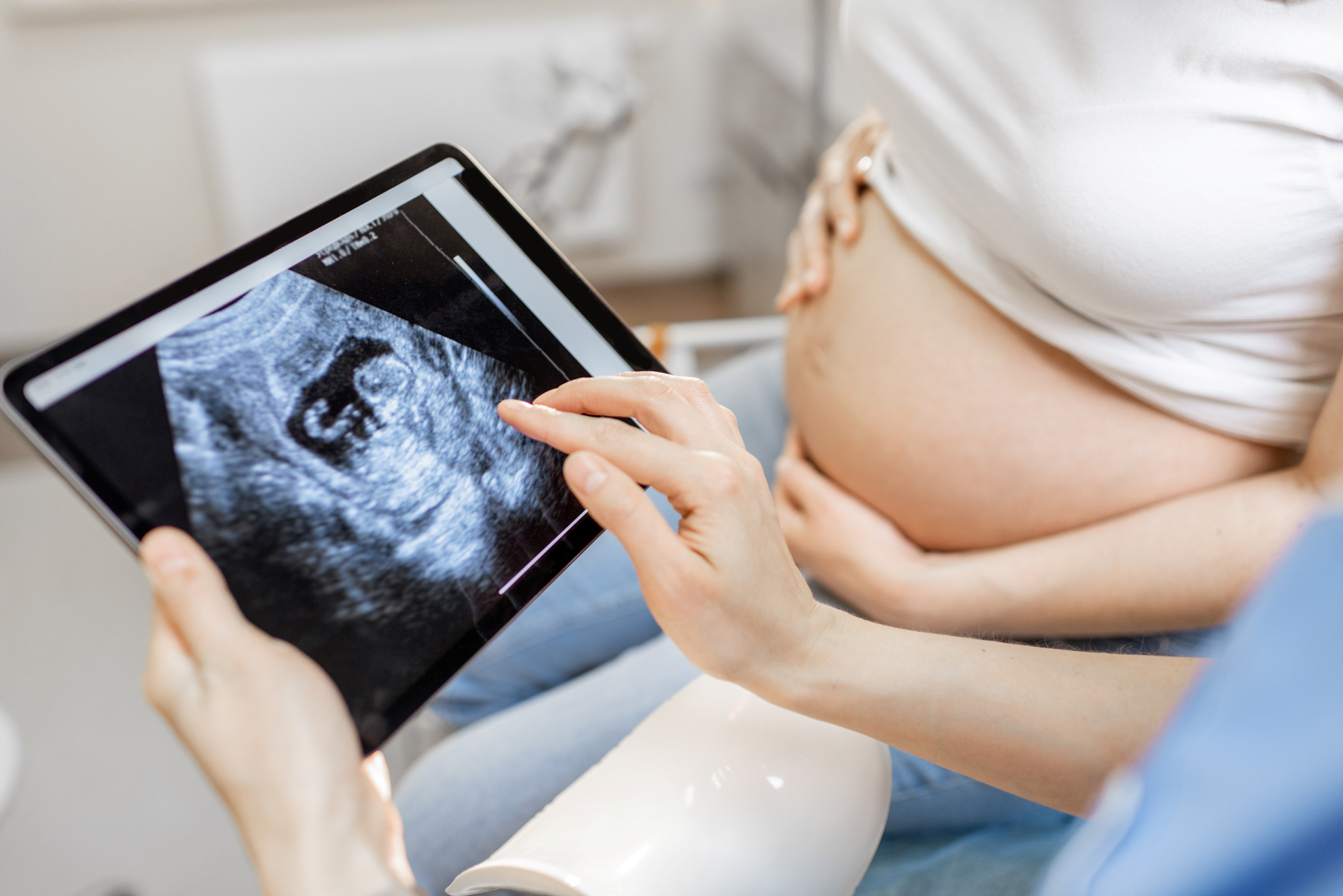
Antenatal care (ANC), also known as prenatal care, is crucial for promoting the health and well-being of pregnant individuals and their unborn children. The compliance, effectiveness, and accessibility of ANC services are influenced by a number of factors such as healthcare infrastructure, knowledge and socio-demographic characteristics. Digital health services have emerged to address these challenges and have significantly advanced maternal and foetal health outcomes by enabling real-time monitoring, personalised care, and improved access to critical information and support.
This scoping review aimed to assess the features and effectiveness of digital health modalities in ANC with a focus on their applicability, outcomes and recent advancement. After screening was carried out using predefined inclusion and exclusion criteria, 126 studies were eligible for data extraction.
The authors concluded that digital health technologies have proven to be transformative in ANC with tools (such as mHealth apps, wearables and tracking devices) effectively supporting communication, monitoring and education. Although they highlight that in-person visits remain essential for managing high-risk pregnancies and complex medical conditions. The integration of digital interventions with physical visits provides a holistic approach to optimise clinical outcomes.
BMC Nutrition - Application of Nordic Keyhole and Nutri-Score for assessment of nutritional quality of plant-based dairy analogues

In recent years the interest in plant-based dairy analogues (such as oat, almond and soy), has increased and the market is estimated to continue growing in the future. This has been driven by medical reasons, such as lactose intolerance, or for lifestyle choices including veganism and animal ethics concerns.
Given this projected increase, it is necessary to assess the nutritional quality of these analogues and the role of Front-of-pack Nutrition Labelling (FOPNL) schemes. In Europe, the two main voluntary FOPNL schemes are Keyhole and Nutri-score.
In this study, the authors applied Keyhole and Nutri-Score criteria to plant -based dairy analogues (milk, yoghurt, cheese, cream, fat spread and ice cream analogues). Nutritional data were collected from 222 plant-based dairy analogues available in the Swedish market during 2022. Product information, ingredient lists and health and nutritional claims were collected from the manufacturers’ websites for all plant-based dairy analogue groups. This information was used to assess these analogues against the Keyhole and Nutri-Score.
The study found that there was a significant variability in the eligibility of plant-based dairy analogues for Keyhole and Nutri-Score labelling. The assessment based on Keyhole and Nutri-Score criteria demonstrated that the interpretation of the nutritional quality within the food category might depend on the type of FOPNL scheme. In addition, the Keyhole and Nutri-Score often diverged in classifying most plant-based dairy analogues as products with optimal nutritional quality. The authors highlighted the need for comprehensive assessments and complementary labelling systems to guide consumer choices across plant-based dairy analogues.
BMC Veterinary Research - Associations between body composition, metabolic mediators and osteoarthritis in cats

Osteoarthritis (OA) is a common joint disease in cats and its prevalence rises steeply with age. In most clinical cases of OA in cats, the initiating cause remains unknown. It is widely known that obesity is a risk factor for human OA but in cats, it is unclear if excess body fat is a risk factor for OA.
In this study, the authors collected data from 72 cats which underwent clinical examination, an orthopedic examination, blood sampling and whole-body computed tomography (CT) examination. Using the whole-body CT images, the presence and severity of OA was determined.
OA was commonly detected with whole-body OA scores being higher in more overweight cats compared to leaner cats. A relationship between increased body fat and total OA load in cats was found; a larger body size, in combination with increased body fat, could be an additional predisposing factor for cats developing OA.
The authors highlighted that their findings suggest it may be beneficial to keep cats lean in order to reduce the risk of OA, particularly in larger sized cats. Further research into the role of metabolic mediators in the pathogenesis of feline OA is warranted.
BMC Digital Health - Evaluation of a novel interactive virtual reality environment for mindfulness skills training

Mindfulness meditation has become an area of interest in recent years in both scientific research and popular culture as a potential tool for improving overall wellbeing, including reducing anxiety and depression. Using virtual reality (VR) technology in meditation practices has gained attention from researchers with clinical experts previously agreeing that VR was a feasible and acceptable format for mindfulness.
The authors of this pilot study sought to evaluate the impact of an interactive VR environment-based mindfulness meditation on mindfulness skills development among undergraduate health science students.
The study found a significant improvement of just under 5% in mindfulness score for the VR cohort compared to the control cohort. The VR environment had enhanced enjoyment of the mindfulness practice and led to improvements in state mindfulness scores. Overall, the students were able to escape from reality and be immersed in a relaxing environment which increased adherence and motivation to practice.
The authors highlighted future research should evaluate the long-term impact of VR-based training on mindfulness practice and whether the environment could be used for live guided mindfulness practice within VR.

Rebecca has worked on the BMC Series since November 2015. Previously she completed her MSc from University College London and BSc from the University of East Anglia. She is based in the London office.
Follow the Topic
-
BMC Digital Health
BMC Digital Health considers research on all aspects of the development and implementation of digital technology in both medicine and public health, such as mobile health applications, virtual healthcare and wearable technology, as well as the role of social media in digital health.
-
BMC Nutrition
BMC Nutrition is an open access, peer-reviewed journal that considers articles on all aspects of nutritional sciences.
-
BMC Pregnancy and Childbirth
This is an open access, peer-reviewed journal that considers articles on all aspects of pregnancy and childbirth. It welcomes submissions on the biomedical aspects of pregnancy, breastfeeding, labor, maternal health, maternity care, trends and sociological aspects of pregnancy and childbirth.
-
BMC Genomics
This is an open access, peer-reviewed journal that considers articles on all aspects of genetics, genomics and proteomics.
-
BMC Veterinary Research
This journal considers articles on all aspects of veterinary science and medicine, including the epidemiology, diagnosis, prevention and treatment of medical conditions of domestic, companion, farm and wild animals, as well as the biomedical processes that underlie their health.





📢 Introducing: # Mental Health
Mental Health is a Topic created to increase visibility and impact of research in this area and facilitate exchange amongst researchers.
Continue reading announcementRelated Collections
With Collections, you can get published faster and increase your visibility.
Advances in crop omics
The field of crop omics has rapidly evolved over the past decade, integrating genomics, transcriptomics, and other high-throughput technologies to enhance our understanding of plant biology. This Collection aims to showcase innovative research that leverages these advanced methodologies to explore the genetic and molecular underpinnings of crop traits, including yield, stress resistance, and disease susceptibility. By employing techniques such as RNA-Seq and genome sequencing, the complexities of crop genomes and their interactions with the environment can be revealed, leading to the development of improved cultivars.
Advances in crop omics play a crucial role in addressing global challenges such as food security and climate change. Recent breakthroughs in genomic editing and high-throughput sequencing technologies have enabled the rapid identification of beneficial traits in crops, allowing for more efficient breeding programs. For instance, CRISPR/Cas9 technology has been utilized to develop rice varieties with enhanced resistance to bacterial blight by precisely editing genes associated with disease susceptibility, thereby improving the plant's natural defense mechanisms. Additionally, Next-Generation Sequencing (NGS) has been used to identify single nucleotide polymorphisms (SNPs) linked to drought tolerance in crops, facilitating the development of crop varieties that can thrive in water-scarce environments. These innovations not only enhance crop resilience and productivity but also contribute to sustainable agricultural practices, thereby supporting the need for research that aligns with environmental and socio-economic goals.
Continued exploration in this field promises exciting developments, including the integration of artificial intelligence and machine learning for predictive modeling of crop performance. As researchers study the functional genomics of crops, precision agriculture techniques may emerge to optimize resource use and minimize environmental impact. The potential to develop crops that thrive under varying climatic conditions could revolutionize agricultural practices and ensure food security for future generations.
Topics of interest include, but are not limited to:
- Genomic approaches to crop improvement
- RNA-Seq applications in crop research
- Functional genomics of disease resistance
- Sustainable practices through omics technologies
- Metabolomics and its role in crop trait enhancement
- Epigenetic modifications and their impact on crop development
- The role of microbiomes in crop health and productivity
- Genetic diversity assessment through high-throughput sequencing
- The use of CRISPR technology in targeted trait enhancement
- Machine learning applications in crop phenotype prediction
This Collection supports and amplifies research related to SDG 2: Zero Hunger.
All manuscripts submitted to this journal, including those submitted to collections and special issues, are assessed in line with our editorial policies and the journal’s peer-review process. Reviewers and editors are required to declare competing interests and can be excluded from the peer review process if a competing interest exists.
Publishing Model: Open Access
Deadline: Nov 20, 2026
Omics of parasites 2026
Parasites, ranging from bacteria to multicellular eukaryotes, exhibit sophisticated life cycles and develop complex interactions with their hosts. The development and application of high-throughput omics techniques enabling simultaneous analysis of virtually all genes, transcripts, and proteins has greatly facilitated research in parasite biology. At the dawn of the sequencing era, the sequencing of parasites’ genomes led to the identification of numerous novel virulence factors and potential drug targets. Nowadays, multi-omics approaches are becoming instrumental for pinpointing molecules and pathways involved in parasite development and its complex network of interactions with the host.
For this BMC Genomics Collection, we welcome submissions generating or analyzing omics data (including, but not limited to, genomic, transcriptomic, proteomic, and metabolomic data) or combining them to shed light on parasites’ biology and the molecular basis of host-parasite interactions. The scope of this Collection is wide and submissions on any kind of parasites are welcome.
If you have a data note to submit, please submit to our sister collection Omics of parasites data notes in BMC Genomic Data.
All manuscripts submitted to this journal, including those submitted to collections and special issues, are assessed in line with our editorial policies and the journal’s peer-review process. Reviewers and editors are required to declare competing interests and can be excluded from the peer review process if a competing interest exists.
Publishing Model: Open Access
Deadline: Dec 15, 2026