How a Team Stopped an Outbreak by Working Together
Published in Agricultural & Food Science and Zoology & Veterinary Science

The Study at a Glance
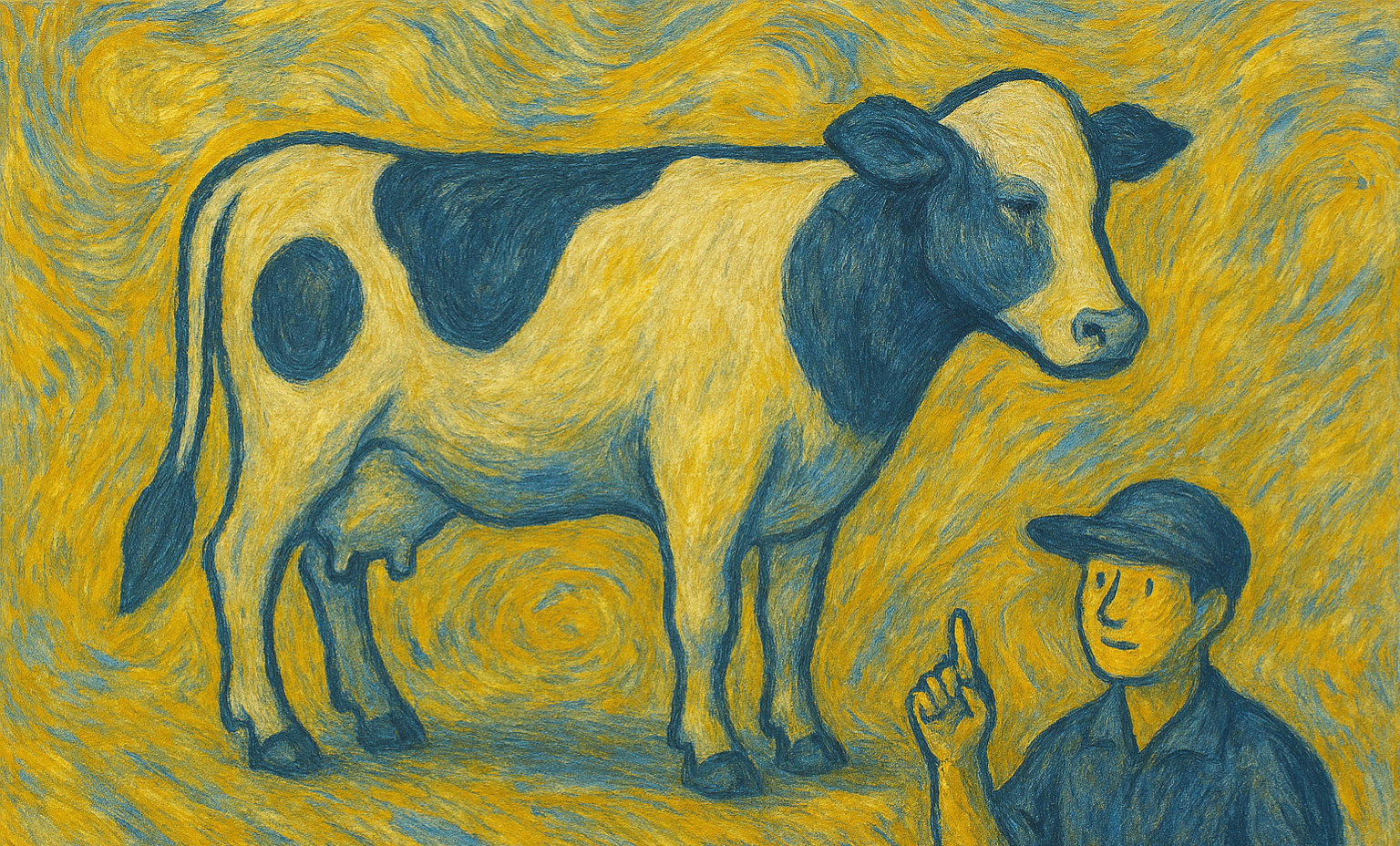
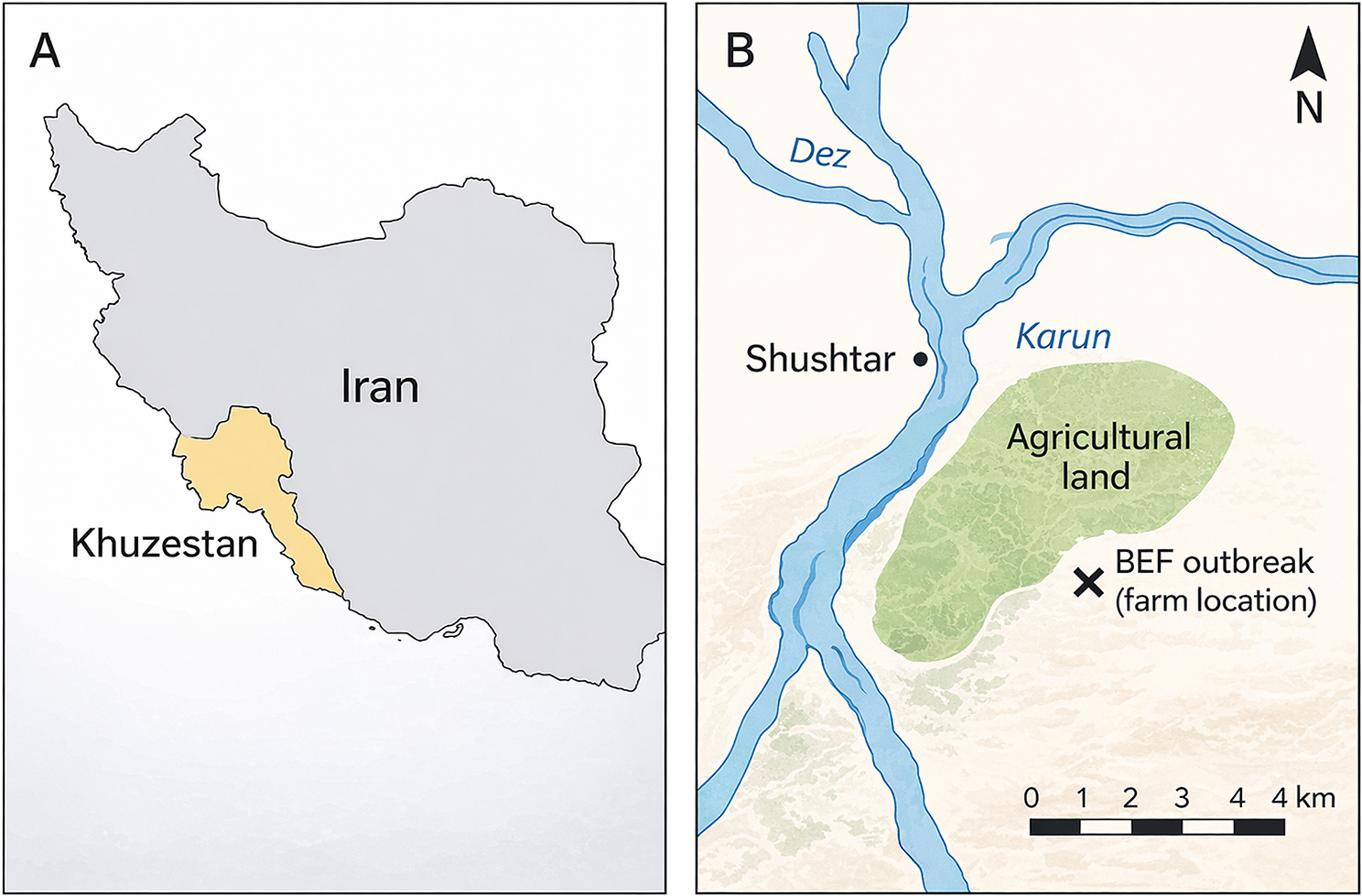
Over just two weeks, nearly a quarter of the herd began showing signs of illness—high fevers, lameness, and sharp declines in milk yield. Laboratory testing confirmed the presence of bovine ephemeral fever virus (BEFV).
Instead of relying on a single response, the veterinary team and farm staff used a layered approach, bringing together supportive care, carefully targeted antibiotics, vector control, vaccination of young animals, and on‑farm staff training.
The study’s novelty lies not in discovering a new drug or vaccine, but in demonstrating how these tools work better when used together, and in the right sequence.
What They Found
Supportive care worked quickly
Treatments like anti‑inflammatory medication, fluids, electrolytes, and vitamins helped sick cows recover faster and reduced the number that became too weak to stand. Most animals improved within a few days.
Antibiotics were helpful only when truly needed
The team avoided routine antibiotic use and reserved it for animals showing signs of secondary bacterial infection, such as persistent fever. This helped control complications without unnecessary antimicrobial exposure.
Vector control made a turning point
Because BEF is spread by biting insects, the team intensified insect control: spraying, removing standing water, and installing fans in high‑risk areas. New cases began dropping soon after these measures were put in place.
Training the people was part of the solution
Farm workers received quick, targeted training on early symptom recognition, safe handling of cows, and hygiene practices. This helped keep everyone coordinated and reduced delays in identifying new cases.
Thinking ahead helped future seasons
The team also vaccinated young heifers—not as an emergency fix, but to strengthen the herd’s long‑term immunity for future outbreaks.
The outbreak ended within 24 days, with only three losses—an extremely low mortality rate for an outbreak that initially moved very quickly. Milk production gradually returned to normal within 10–14 days after recovery.
Why It Matters
This study shows how powerful coordinated action can be during fast‑moving disease events.
Each intervention—supportive care, vector control, selective antibiotics, training, and vaccination—played a role. But it was their combination that turned the tide.
Rather than searching for one perfect solution, the study suggests that the best results come from many good solutions working together, each one reinforcing the others.
As climate change continues to influence the spread of insect‑borne diseases, this kind of integrated strategy could become increasingly important for herd health and farm resilience.

I’m a vet epidemiologist and infodemiologist, basically a disease detective with Wi-Fi 😁, on a mission to use AI 🤖 to outsmart outbreaks before they even RSVP to the party 🎉🦠.
Follow the Topic
-
Dairy Science and Management
This is an open access peer-reviewed journal that aims to publish innovative research about the management of dairy animals, the production of dairy products and the related food security considerations.

Related Collections
With Collections, you can get published faster and increase your visibility.
Climate change and dairy: strategies for thermotolerance, methane reduction and sustainable grazing
Dairy production is not only vital for global food security but also significantly contributes to greenhouse gas (GHG) emissions, particularly methane. By focusing on strategies for thermotolerance, methane reduction, and sustainable grazing, we can enhance the resilience of milk cattle and ensure the sustainability of dairy systems in the face of climate challenges. Climate change poses a formidable threat to agricultural productivity, particularly in regions where dairy farming is a cornerstone of rural economies. Uniting four journals and scientific communities, this Collection is a part of the Climate Change and Livestock super Collection which highlights innovative, climate-smart approaches to safeguarding animal health and welfare across aquaculture, porcine, dairy and poultry.
Improving our understanding of thermotolerance in dairy animals can lead to better management practices that enhance animal welfare, productivity, and ultimately, food security. Research into dietary interventions and feed additives has shown promise in reducing methane emissions from enteric fermentation, highlighting the potential for improved feed efficiency and reduced environmental impact. Genetic selection for thermotolerant traits could become more sophisticated, enabling the development of breeds that are better adapted to a changing climate. Additionally, innovative approaches to grazing management, such as agroforestry systems and rotational grazing, could further enhance the sustainability of dairy production while promoting carbon sequestration. In light of these considerations, we invite researchers to contribute to this special Collection by submitting original research articles and reviews. Topics of interest include but are not limited to:
- Strategies for enhancing thermotolerance in dairy cattle
- Innovative practices in grazing management
- Methane reduction techniques in dairy farming
- The impact of climate change on dairy productivity
- Genetic selection for climate resilience in dairy animals
- Sustainable feed practices for reduced GHG emissions
- Economic implications of climate-smart dairy practices
- Policy frameworks supporting sustainable dairy management
This Collection supports and amplifies research related to SDG 13: Climate Action and SDG 15: Life on Land.
All submissions in this Collection undergo the journal’s standard peer review process. Similarly, all manuscripts authored by a Guest Editor(s) will be handled by the Editor-in-Chief. As a newly launched open access publication, this journal has waivers to cover article-processing charges (APCs). For more information about receiving a waiver, please contact alex.waite@springernature.com before submitting a manuscript. For additional support please visit OA funding and support, or email OAfundingpolicy@springernature.com or the Editor-in-Chief.
Publishing Model: Open Access
Deadline: Feb 15, 2027