How Grass–Legume Rotations Are Quietly Rewriting Maize Nutrition
Published in Sustainability and Agricultural & Food Science
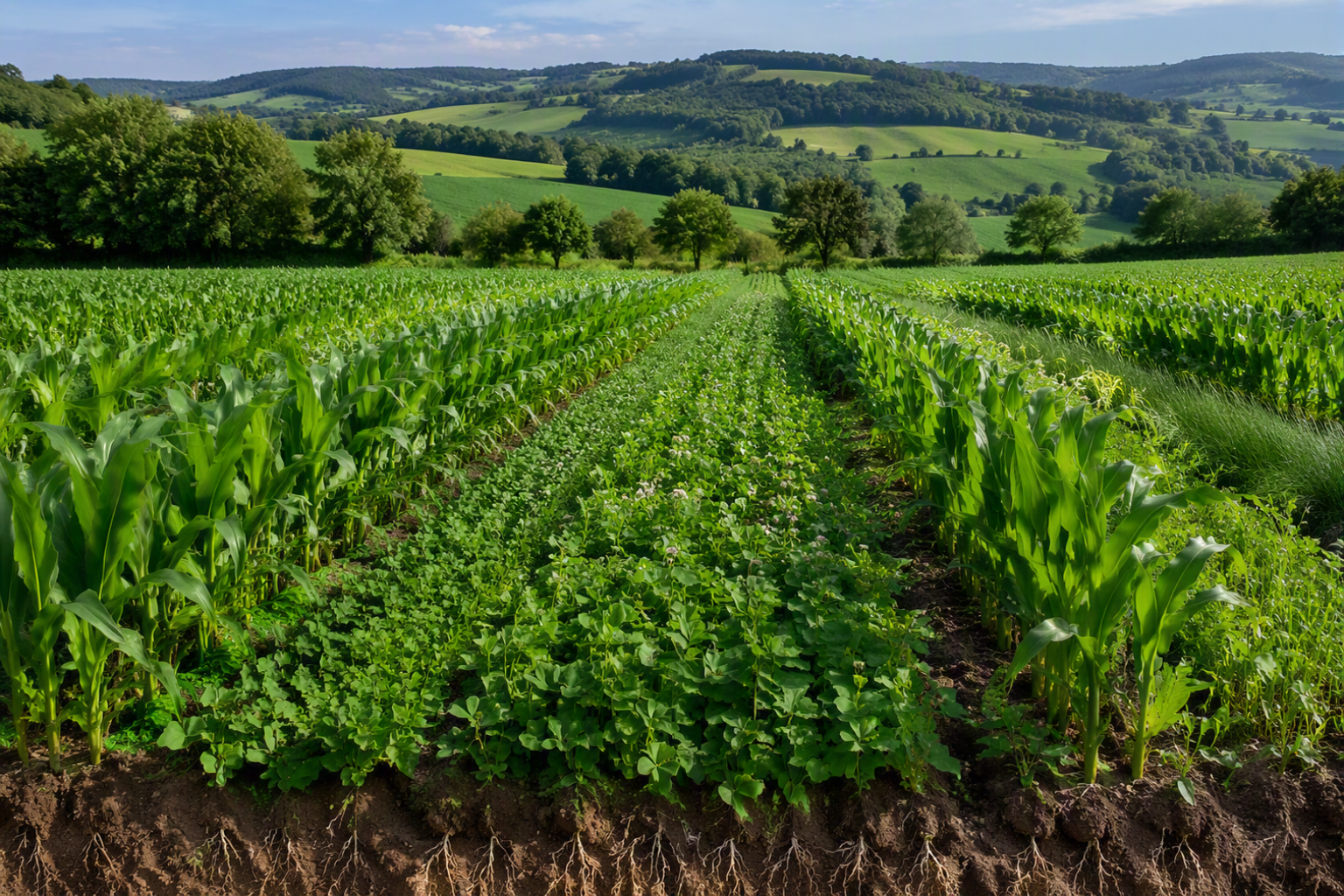


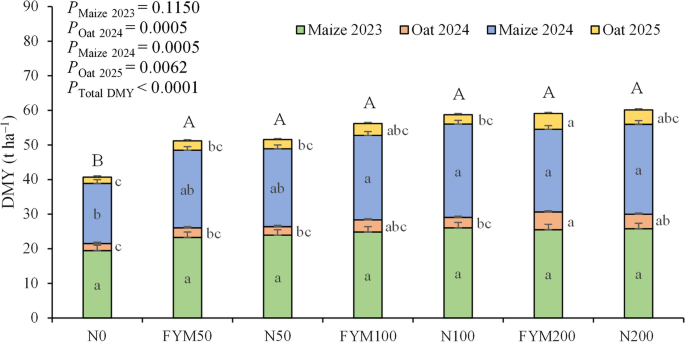

In a time when agriculture is under mounting pressure to produce more with fewer inputs, this study delivers a refreshingly grounded insight: the soil remembers. Published in the Journal of Soil Science and Plant Nutrition, the research explores how a four-year grass–legume ley can reshape nitrogen availability for the crops that follow—specifically maize. Rather than relying heavily on synthetic fertilizers, the system taps into biological processes that quietly build fertility beneath the surface.
At the heart of the work is a deceptively simple question: how long do the benefits of a ley phase last, and can they meaningfully reduce fertilizer demands? The results are striking. The researchers show that maize grown after a four-year grass–legume mixture requires significantly less nitrogen fertilizer in its first year, thanks to the gradual mineralization of organic matter accumulated during the ley phase. This is not just a temporary boost—it reflects a deeper restructuring of soil nutrient dynamics.
What makes this study particularly compelling is its attention to the balance between organic and mineral nitrogen sources. By tracking how nitrogen is released from plant residues and soil organic matter, the authors illuminate the often unpredictable—but highly valuable—residual effects of diversified rotations. These findings challenge the conventional assumption that nitrogen inputs must be externally driven and highlight instead the potential of internal ecosystem processes.
For researchers across agricultural disciplines—from soil science to crop physiology—the implications are broad. This is not only about nitrogen efficiency; it is about system design. Grass–legume leys contribute to soil structure, microbial activity, and long-term fertility, offering a multi-layered strategy to reduce dependency on fertilizers while maintaining productivity. In practical terms, it suggests that smarter rotations could become as important as smarter inputs.
Ultimately, this research speaks to a larger shift underway in agriculture: moving from input-heavy models to knowledge-intensive systems. By demonstrating that strategic crop sequences can naturally supply part of the nitrogen demand, the study offers a practical pathway forward—one that aligns productivity with environmental stewardship. For scientists and practitioners alike, it is a reminder that some of the most powerful innovations are not new technologies, but new ways of working with the biological capital already present in our soils.
The text and image in this post were created with the assistance of AI.

Follow the Topic
-
Journal of Soil Science and Plant Nutrition
The Journal of Soil Science and Plant Nutrition is an international, peer reviewed journal devoted to publishing original research findings in the areas of soil science, plant nutrition, agriculture, and environmental science.

What are SDG Topics?
An introduction to Sustainable Development Goals (SDGs) Topics and their role in highlighting sustainable development research.
Continue reading announcement




Please sign in or register for FREE
If you are a registered user on Research Communities by Springer Nature, please sign in