How We Talk About Overdose: stigma and missteps in US overdose prevention initiatives
Published in Neuroscience, Sustainability, and Behavioural Sciences & Psychology

Overdose prevention around the world
The stigma surrounding drug overdose continues to deal heavy blows in the United States. Earlier this year, in January 2026, the US government cut $2 billion of funding for mental health and substance use programs. Massive backlash ensued, and within days funding was restored. The flippancy with which the initial decision was made, however, alarmed providers and patients alike.
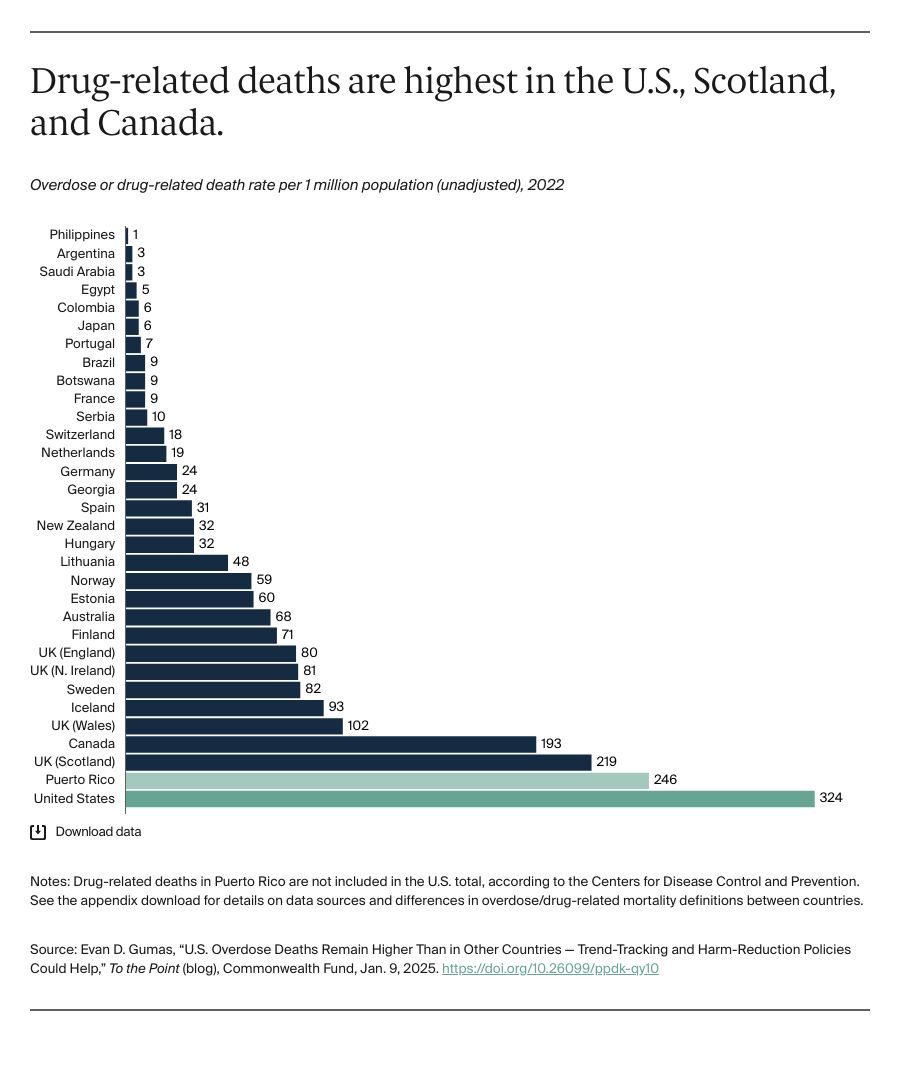
While drug overdose is a major concern to the global population, the United States remains in particular crisis. In 2020, deaths caused by drug overdose in the US increased from over 70,000 to over 91,000. 2021 saw another major jump, up to over 106,000 deaths. Isolation and fear related to the COVID-19 pandemic were likely culprits.
Other countries saw the same spike around this time; Scotland and Canada suffered the second and third highest overdose rates of any country after the United States. However, their rates have since improved, likely due to increased funding to overdose prevention programs. Even now, they show no signs of backing down; both Scotland and Canada have recently announced continued increases in funding for various initiatives to reduce drug-related fatalities.
Canada has specifically focused on programs that support Indigenous Canadian communities; in the US, Indigenous Americans and Native Alaskans face the highest rates of overdose deaths of any demographic. Isolation, lack of resources, and continuous cultural upheaval all contribute to these rates, which remain much higher than the national average.
As other countries pour resources into addressing this crisis, the US government has instead proposed massive funding cuts for the Substance Abuse and Mental Health Services Administration (SAMHSA), the CDC, and other federal health programs in 2027. When there was such a backlash earlier this year, when other countries have benefited from increased budgets, and when the US overdose rates are so high, why was this decision made?
Why has the US government cut funding?
In 2023, the FDA allowed Narcan (naloxone), a medication that stops an opioid overdose, to be sold over the counter. With sudden widespread access to this medication, and as the nation moved away from the strain of the COVID-19 pandemic, overdose rates plummeted. The CDC reported an estimate of about 80,000 deaths in 2024 and 70,000 deaths in 2025 (this was uneven across states: western states saw an increase, while eastern states’ rates dropped dramatically).
This national drop in deaths is very good news. But to the current administration, who infamously prioritizes extreme budget cuts, this drop might be encouraging the huge changes to funding under the assumption that things have 'gone back to normal.' This is a misstep. While the US has seen positive changes since 2023, it has continued to claim the highest overdose rate in the world by a significant margin. To cut funding now, when the country is still recovering, could be catastrophic.
The other, more likely contributing factor is the stigma with which many Americans still view substance use disorders and overdose. Current attitudes around this subject often reflect highly simplistic beliefs; that there is a morality tied to struggling with substance use, and that it is up to the individual to simply resist. Encouraging this belief is also a horrific misstep. Especially when certain demographics struggle so significantly more with substance use disorders, the idea that someone is 'bad' for suffering only contributes to the stripping of resources from those demographics.
Discussing the future of overdose prevention
Framing substance use disorder as a chronic disease, instead of a moral failing, frees us to discuss real steps forward. Under this mindset, overdose becomes a symptom and can be treated without judgement. Many global initiatives have made it their mission to treat overdose and raise awareness, and many US states have implemented their own programs.
Funding for harm reduction and treatment programs must be maintained to keep us informed about the danger of drug use, to keep us healthy and safe, and finally, to treat the most mortal symptom when all other measures fail.
More resources:
- Global Health Advocacy Incubator
- Overdose Prevention Initiative
- Substance Abuse and Mental Health Services Administration - Overdose Prevention and Response Toolkit
- National Harm Reduction Coalition
This blog addresses SDG3 goals 3.5 and will contribute to the SDG3 Newsletter group; read more about this on Springer Nature Research Communities.

Follow the Topic
📢 Introducing: # Mental Health
Mental Health is a Topic created to increase visibility and impact of research in this area and facilitate exchange amongst researchers.
Continue reading announcement