Implementing the Global Biodiversity Framework
Published in Social Sciences and Ecology & Evolution
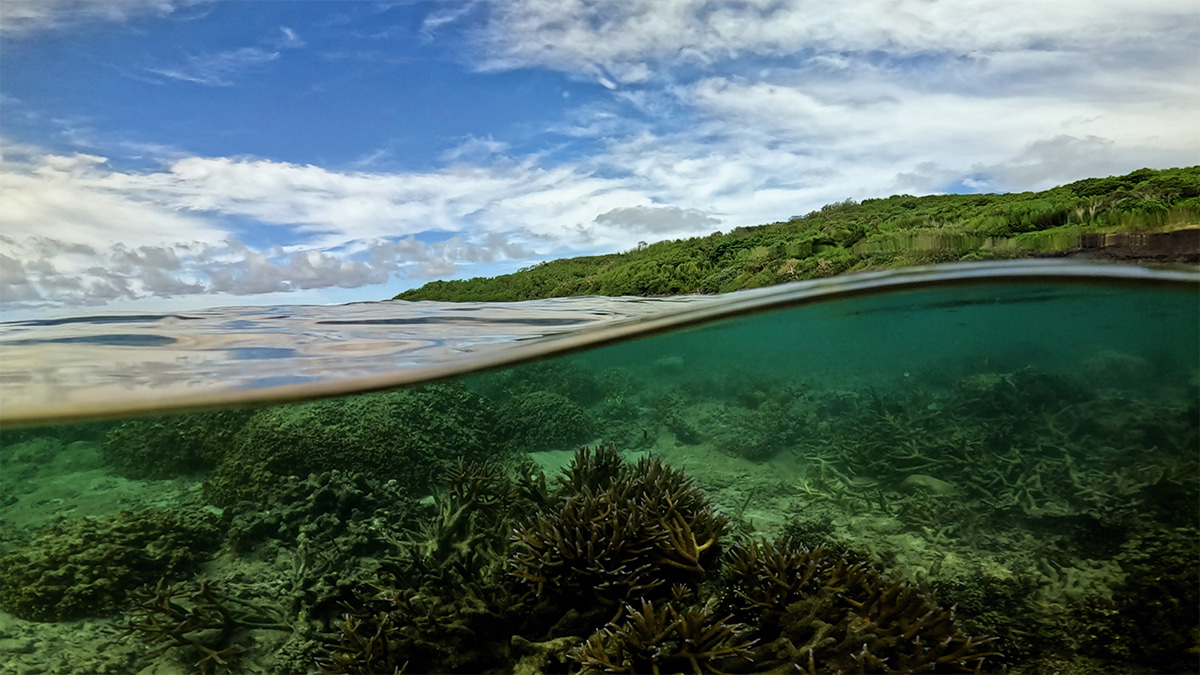
From October 19-30, the UN Convention on Biological Diversity's Conference of the Parties (CBD COP17) takes place in Yerevan, Armenia.
This COP event event is particularly significant due to its link to the release of the "State of Biodiversity Action”, CBD's global report on progress made at the halfway point towards the Kunming-Montreal Global Biodiversity Framework (KMGBF)’s 2030 targets.
Co-timed with the CBD COP17 and Report publication, we have curated a collection of new and archived content, including Interviews, Opinion pieces, Reviews and Research Articles, that focus on progress towards Implementation of the Global Biodiversity Framework.
Among other features, the collection features two interviews that discuss progress at the point of COP17.
A Q&A with Astrid Schomaker, Executive Secretary of the CBD, includes discusisons on the key findings of the Report and the potential for the three Rio Conventions to increasingly work together. She portrays a message of optimism, but warns against distraction, and urges accelerated action in this so-called critical decade.
A Q&A with Flavio Affinito and Emily Nicholson, both closely involved with the generation of the Global Report that synthesises 129 national reports on implementation of KMGBF, provides insight into how the Report was generated and what can be said about progress towards the 2030 targets so far.
Further new content on the theme includes:
- Folkard-Tapp and colleagues highlight the potential for mutal learning across the different Conventions- biodiversity, desert and climate- as a key to accelerated action.
- Dempsey & Irvine-Broque argue that entrenched international financial architecture reinforces extractive development and limits ambitious environmental policy, and that reform to these systems will be needed if we are to enact the levels of transformative change needed for to protect biodiversity.
- Gonzalez and colleagues argue that many countries are currently unable to report progress against numerous Global Biodiversity Framework targets because monitoring data are lacking, and call for sustained investment in monitoring infrastructure and networks to close these gaps.
- Chaplin-Kramer calls for the development of a rigorous science of biodiversity recovery that systematically analyses both successful and unsuccessful conservation interventions to identify the drivers of ecological recovery and better assess conservation outcomes.
- Marquez highlights the need to rethink established norms in the context of ongoing global change- discussing the reconsideration of species hybrids (which are currently not considered by the IUCN Red List) as an essential and unavoidable part of biodiversity’s possible futures.
Along with these pieces, our collection includes further content from across multiple journals, which can all be found here.
Figure Credit: Burroblando