Innovating Patent Ductus Arteriosus Closure: Preclinical Evaluation of the First Iranian-Developed Nitinol Occluder in a Sheep Model
Published in Biomedical Research, General & Internal Medicine, and Surgery
Background and Clinical Significance
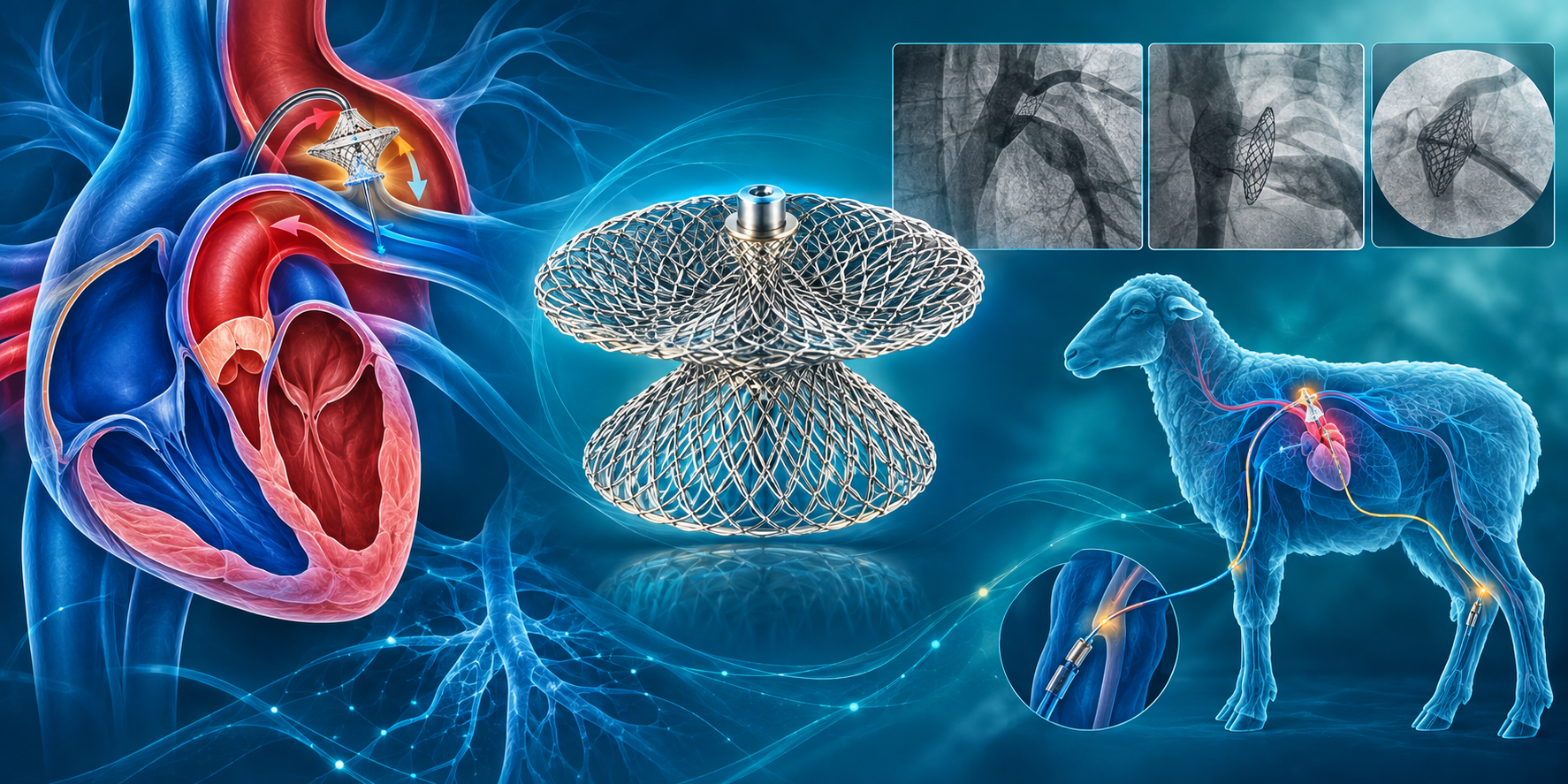
Patent ductus arteriosus (PDA) is one of the most common congenital heart defects, characterized by abnormal blood flow between the aorta and pulmonary artery. If left untreated, PDA can lead to pulmonary hypertension, heart failure, and increased mortality. Transcatheter closure has become the standard of care, with devices such as the Amplatzer Duct Occluder (ADO) demonstrating high success rates.
However, existing devices face significant challenges, particularly in resource-limited settings. High costs, limited availability, and concerns regarding biocompatibility and anatomical adaptability create barriers to optimal care. In Iran, device shortages and import restrictions have highlighted the urgent need for domestic solutions. This motivated our team to develop and evaluate the first Iranian-made nitinol-based PDA occluder—a device designed to enhance biocompatibility, reduce thrombogenicity, and improve durability while remaining cost-effective.
Our preclinical study, conducted in 2024 at the Large Animal Research Laboratory at Shiraz University of Medical Sciences, represents a significant step toward self-reliance in medical technology and addresses global device shortages in interventional cardiology.
Device Design and Manufacturing
The Iranian PDA occluder was fabricated from custom-made nitinol wires—a biocompatible alloy with shape-memory properties—braided into a 72-wire conical mesh. This design ensures both flexibility and structural integrity. The device was engineered to optimize safety, efficacy, and durability in clinical use.
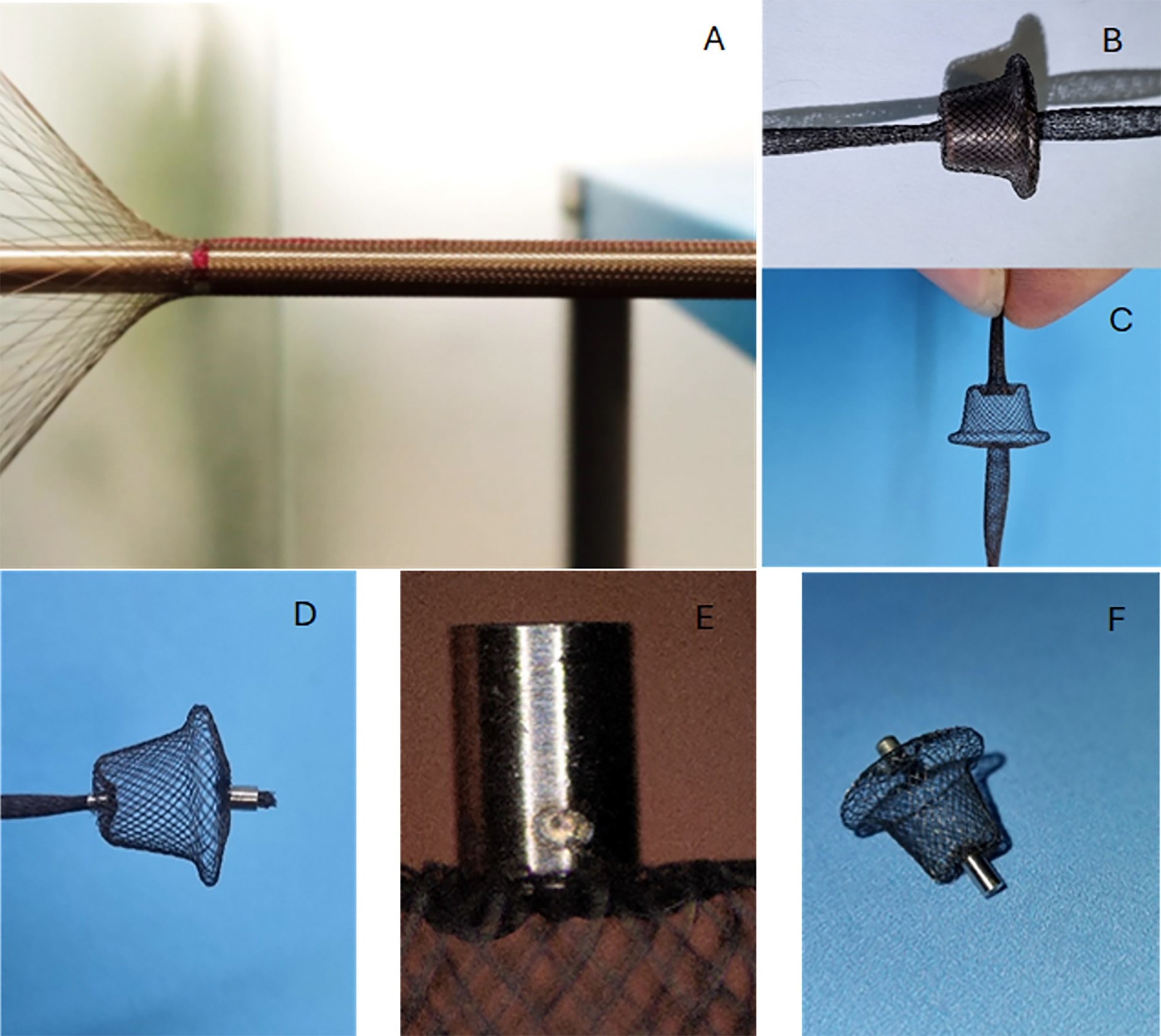
While the technical specifics of the braiding machine are proprietary, it harmonizes multiple headers to synchronously interlace the wires around a cylindrical core. The mesh was subsequently heat-treated to form a conical occluder, ensuring optimal structural integrity and functionality. Importantly, the design excludes Dacron, a material commonly used in other devices that may contribute to thrombogenicity.
Study Design and Methods
This preclinical study was conducted in accordance with international ethical guidelines for animal research, including the NIH Guide for the Care and Use of Laboratory Animals, and reported according to ARRIVE guidelines. The study protocol was approved by the Institutional Animal Care and Use Committee (IACUC) of Shiraz University of Medical Sciences (code: IR.SUMS.AEC.1404.026).
Deployment was tested in a sheep model via femoral and pulmonary artery access. Post-procedure evaluations included angiography, clinical monitoring over three months, and histopathological analyses to assess tissue integration, thrombogenicity, and biocompatibility.
Key Findings
Procedural Outcomes
The Iranian occluder device was successfully deployed in both target positions, with stable positioning confirmed by post-deployment angiography. The deployment procedure was straightforward, with the device demonstrating ease of manipulation and the ability to be released and repositioned without complications.
Despite the occluder being slightly larger than the recommended size for the femoral artery diameter, no immediate procedural complications were observed, such as device dislodgement, vascular aneurysm, or rupture. After deployment, dye injection confirmed patency of the artery, with no obstructions observed after 10 minutes. These findings suggest that the device is safe for use in arterial closure procedures, even when slightly mismatched to vessel size—a testament to the flexibility and adaptability of the nitinol mesh design.
Post-procedural Follow-up
Throughout the three-month post-procedural follow-up, the animal was evaluated weekly for distal pulses in the right leg, the site of one device implantation. All evaluations showed patent pulses, with no signs of claudication. The animal did not exhibit any signs of respiratory distress, bleeding, or infection, indicating favorable recovery. Normal appetite and activity levels were maintained throughout the follow-up period.
Distal pulses in the right leg remained patent throughout the follow-up, and no migration of the device to the distal portion of the artery was observed. These findings demonstrate the durability and stability of the device in the arterial site over a prolonged period.
Post-mortem Examination
Post-mortem examination confirmed that both occluders remained securely positioned: one in the left pulmonary artery and one in the right femoral artery, with no evidence of migration or dislodgement. Gross examination of the right femoral artery revealed no signs of vascular perforation, erosion, aneurysm formation, or significant thrombus at or distal to the device location.
The occluder was well-embedded in the artery, with no signs of movement, despite the initial mismatch to the femoral artery size. These findings were consistent with the absence of device-related vascular complications, further supporting the device's safety profile.
Histopathological Analysis
Microscopic examination of tissue sections stained with hematoxylin and eosin demonstrated mild to moderate inflammatory cell infiltration surrounding the occluder, predominantly consisting of lymphocytes, plasma cells, and macrophages. This inflammatory response is a typical reaction to a foreign implant and is consistent with normal healing processes.
Additionally, varying degrees of neointimal formation and re-endothelialization were observed around the occluder mesh, indicating the initiation of tissue incorporation. Importantly, no significant thrombus formation, vessel wall injury, or granuloma formation was observed in any tissue sample. These findings support the biocompatibility of the Iranian occluder device, confirming its potential for safe and effective arterial closure.
Comparison with Existing Devices
The successful deployment of the Iranian occluder without immediate complications aligns with procedural success rates observed in studies evaluating devices such as the Amplatzer Duct Occluder. The absence of dislodgement, vascular rupture, or aneurysm despite size mismatches between the device and arterial diameter supports the mechanical reliability of the occluder and the flexibility of nitinol in accommodating variances in vascular anatomy.
The angiographic confirmation of artery patency post-deployment highlights the device's non-thrombogenicity. The absence of thrombogenic responses suggests that excluding Dacron from the Iranian device reduces thrombus formation—a hypothesis supported by comparisons with other nitinol-based devices.
When compared to commercially available devices, the Iranian occluder demonstrates potentially comparable safety and biocompatibility, with the added advantage of local production and cost-effectiveness. The nitinol mesh design likely contributes to its favorable profile, as nitinol has been shown to enhance flexibility and reduce thrombogenicity compared to devices incorporating Dacron or other foreign materials.
Clinical Implications and Global Health Impact
As the first of its kind developed in Iran, this device could significantly impact the availability and affordability of PDA closure devices. The findings from this pilot study suggest that the Iranian PDA occluder is a viable alternative for addressing vascular closure needs, particularly in low-resource settings with limited access to imported medical technologies.
Key implications include:
Cost-Effectiveness: Local manufacturing eliminates import costs and reduces dependence on foreign suppliers, making PDA closure more accessible in resource-limited settings.
Biocompatibility: The nitinol mesh design without Dacron reduces thrombogenicity and enhances tissue integration, potentially improving long-term outcomes.
Anatomical Adaptability: The device demonstrated safety even when slightly oversized, suggesting flexibility across varied vascular anatomies.
Regional Capacity Building: This development marks progress toward self-reliance in medical technology, fostering multidisciplinary research between clinicians and engineers.
Limitations and Future Directions
We acknowledge several limitations. This pilot study included only one animal model, limiting generalizability. The incomplete device profile—specifically the lack of Dacron patch incorporation—means certain complications observed in other studies could not be evaluated. Additionally, long-term outcomes beyond three months were not assessed.
Future investigations should emphasize:
-
Larger preclinical studies with more animal models
-
Refining deployment techniques and optimizing device sizing protocols
-
Evaluating long-term outcomes, particularly in pediatric and low-weight patients
-
Eventual clinical trials to substantiate preclinical findings
-
Exploring applicability across different patient populations
By addressing these aspects, the Iranian occluder could emerge as a significant domestic advancement, offering an effective solution for PDA closure worldwide.
Conclusion
This study provides strong preliminary evidence of the technical feasibility, manufacturing capability, safety, efficacy, and biocompatibility of the Iranian PDA occluder. While further research and clinical trials are needed, the findings indicate that this device could be a viable, cost-effective alternative for PDA closure, manufactured locally. Its development marks progress toward self-reliance in medical technology, potentially addressing global device shortages. With refinement, it could become a valuable addition to interventional device closure.
Amoozgar, H., Mohammadi, H., Hosseini, H., et al. (2026). Innovating Patent Ductus Arteriosus Closure: Preclinical Evaluation of the First Iranian-Developed Nitinol Occluder in a Sheep Model. Iranian Journal of Medical Sciences 51(2): 118-125. https://doi.org/10.30476/ijms.2025.107171.4151
A Call for Collaboration
I invite fellow researchers, interventional cardiologists, biomedical engineers, and global health specialists interested in medical device innovation, congenital heart disease, and translational research to connect and explore collaborative opportunities. By pooling expertise across disciplines and regions, we can advance the development of affordable, high-quality medical devices that address unmet clinical needs worldwide.

Physician-Researcher (M.D., B.Med.Lab.Sc.) with expertise in clinical research coordination, study design, machine learning applications, and global health. I bridge clinical practice with research to improve surgical outcomes, develop biomaterials for trauma care, and apply AI-driven decision tools in medicine.
Key contributions include:
- Leading clinical trials and disease registries (Hirschsprung’s disease, surgery).
- Advancing surgical research with in-vivo models and molecular techniques.
- Expertise in medical writing, scientific publication, and statistical modeling (R, Python, ML).
I am particularly interested in the intersection of robotic surgery and clinical AI—specifically, how machine learning can be leveraged to predict surgical outcomes, optimize patient selection, and enhance intraoperative decision-making. My long-term goal is to contribute to the safe and effective integration of robotic platforms and AI into routine surgical workflows.
I am currently completing my medical licensure in Baden-Württemberg, Germany. Fluent in English, German, and Persian, I value cross-cultural collaboration and interdisciplinary teamwork.