Innovative Private-Nonprofit Partnership: A Model for Empowering Children with Disabilities in Nepal
Published in Social Sciences
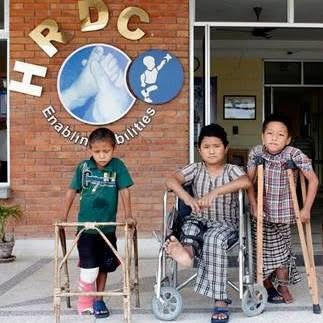


Key Insights from the Study
A recent Frontiers in Public Health article highlights the impact of this 40-year partnership:
✅ Cost Reduction: Treatment costs were reduced by 62% compared to private hospitals.
✅ Surgical & Rehabilitation Impact: 55,000+ surgeries performed, benefiting over 116,000 children.
✅ Assistive Support: 100,000+ mobility devices distributed.
✅ Awareness & Training: 1.5 million+ people educated on disability rights; 700+ rehabilitation therapists trained.
✅ Nationwide Reach: Mobile clinics covering all 77 districts of Nepal.
Why It Matters
This model shows that collaboration between private hospitals and nonprofit organizations can deliver affordable, high-quality healthcare while fostering community integration. It serves as a replicable framework for other developing nations seeking sustainable solutions for children with disabilities.



Please sign in or register for FREE
If you are a registered user on Research Communities by Springer Nature, please sign in