Integrative genomic and functional characterization of FAM3 family genes reveals their diagnostic and prognostic roles in kidney renal clear cell carcinoma
Published in Cancer

Kidney renal clear cell carcinoma (KIRC) is the most common and aggressive form of kidney cancer, often diagnosed at advanced stages with limited treatment options and poor prognosis. Despite advances in surgery and targeted therapies, reliable molecular markers for early diagnosis, prognosis, and therapy guidance remain scarce. The FAM3 (Family with Sequence Similarity 3) gene family, consisting of FAM3A, FAM3B, FAM3C, and FAM3D, has been implicated in diverse biological processes including metabolism, cytokine signaling, and cellular differentiation, yet their roles in KIRC are largely unexplored.
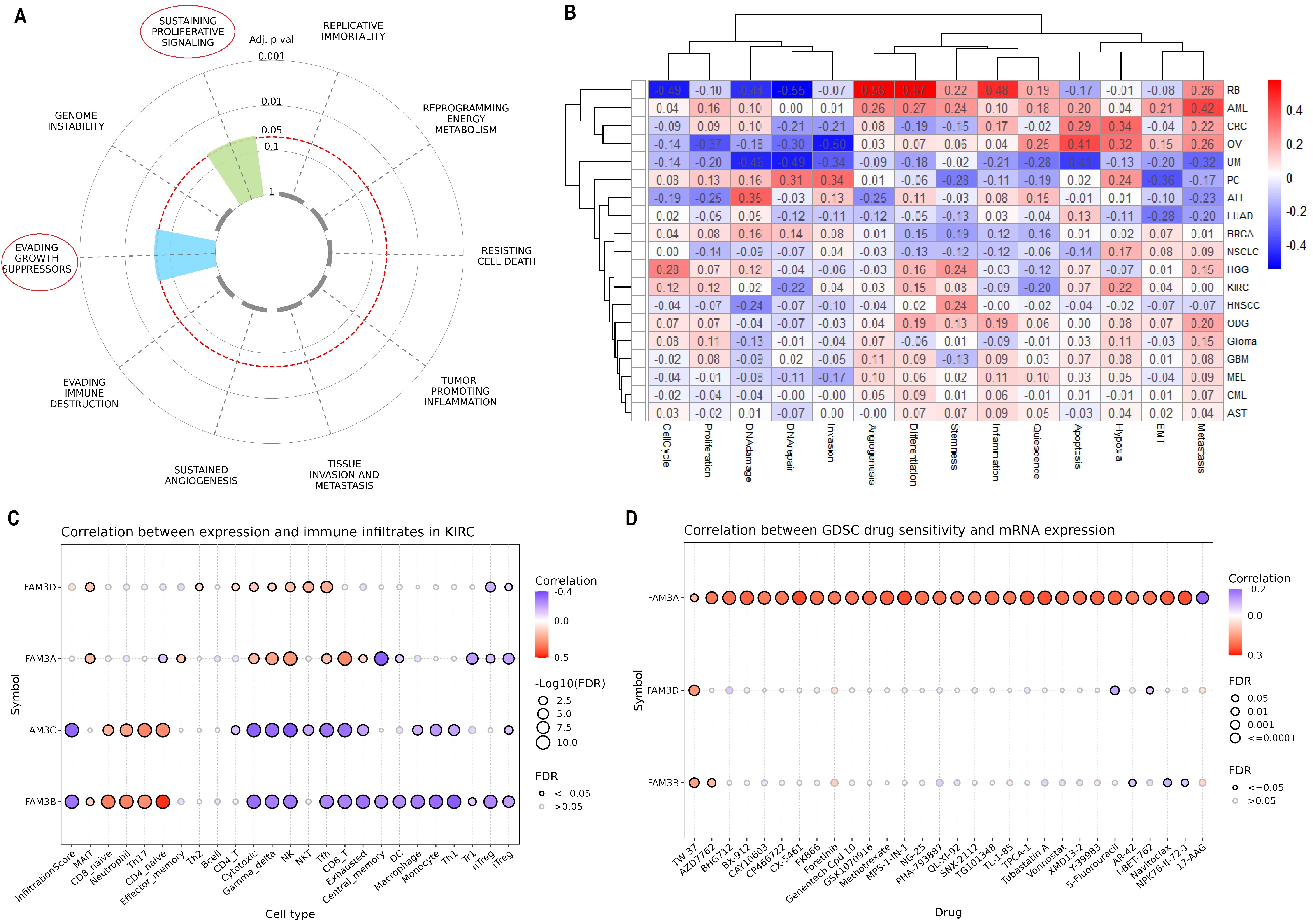
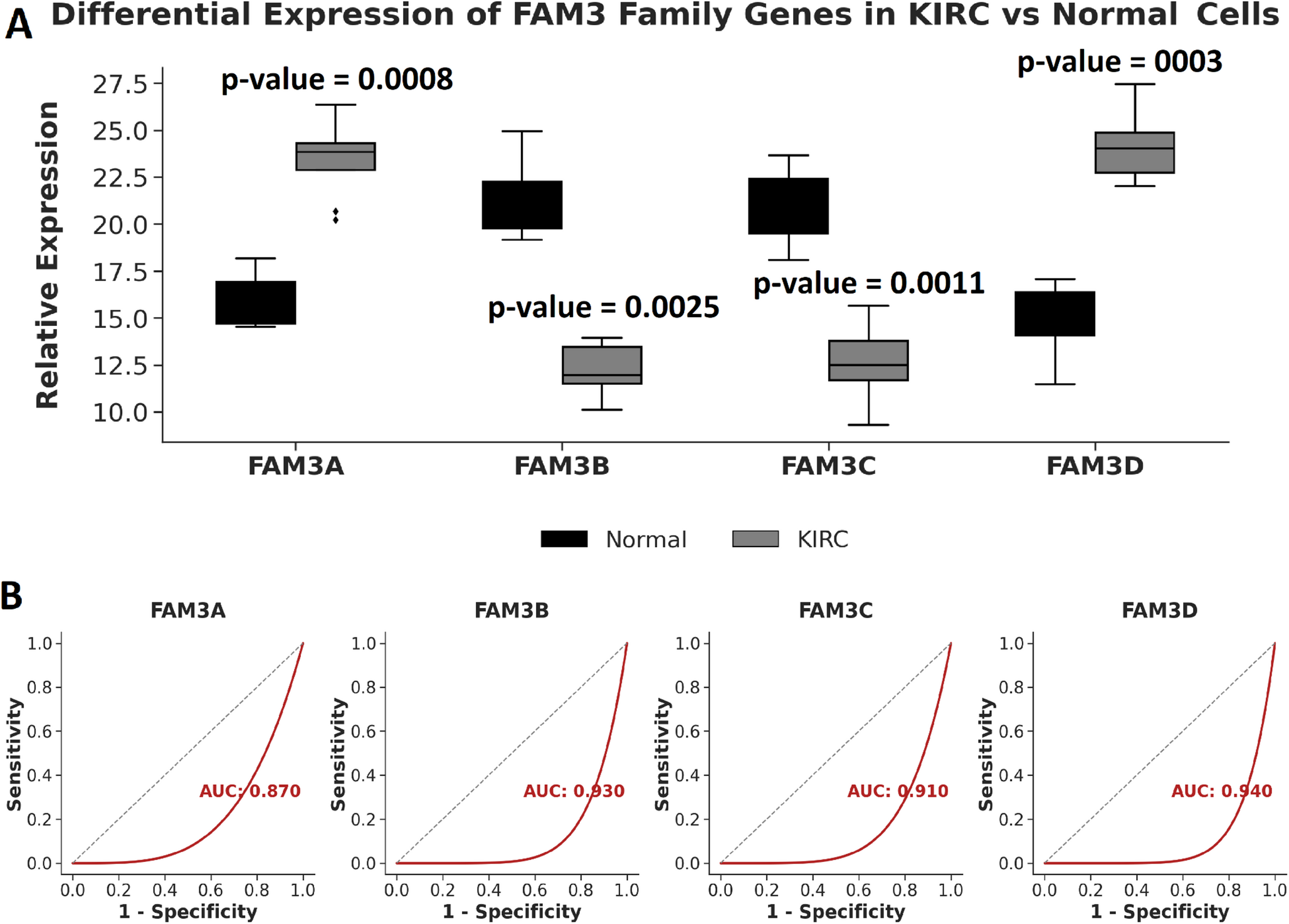
Given the critical need to uncover molecular drivers of KIRC, this study aimed to systematically investigate the expression, epigenetic regulation, and functional impact of FAM3 family genes in KIRC. By integrating large-scale genomic datasets, the study examined differential expression patterns, promoter methylation, and genetic alterations of FAM3 genes in tumor versus normal tissues. The analysis also explored associations with patient survival, immune infiltration, and potential therapy responsiveness.
In addition to computational analyses, functional experiments in KIRC cell lines were conducted to validate the roles of FAM3 genes in tumor cell proliferation, migration, and drug sensitivity. This integrative approach provides a holistic understanding of how FAM3 genes contribute to KIRC biology and identifies their potential as diagnostic and prognostic biomarkers. Overall, the study highlights the FAM3 family as a promising avenue for improving personalized therapy and understanding tumor progression in kidney cancer.

Follow the Topic
-
Cytotechnology
This is an international journal that publishes advancements in cell culture research involving in vitro systems.

Related Collections
With Collections, you can get published faster and increase your visibility.
The Japanese Association for Animal Cell Technology (JAACT)
We warmly invite the submission of high-quality research articles that advance the field of applied cell technologies. In particular, we encourage contributions focusing on the production of biologics using cultured cells, as well as studies exploring the functional properties of food derived from cell-based or biotechnological processes.
This ongoing collection aims to highlight innovative approaches and emerging discoveries in cell culture engineering, bioprocess development, and the application of cultured cells in health, nutrition, and biotechnology. Submissions that bridge fundamental research and practical applications, including interdisciplinary studies, are especially welcome.
Topics of interest include, but are not limited to:
- Development and optimization of cell culture systems for biologics production
- Bioprocess engineering and scale-up strategies
- Cell-based approaches for food production and functional food development
- Characterization of bioactive compounds and nutritional properties
- Advances in cell line engineering and metabolic optimization
- Applications of cultured cells in pharmaceuticals, nutraceuticals, and food science
Please note that there is no requirement to be a member of JAACT, nor to join the association, in order to submit to this collection. We encourage submissions from researchers worldwide.
All manuscripts will undergo full peer-review using the standards for a regular submission to Cytotechnology. The Editors have no competing interests with the submissions which they handle through the peer-review process. The peer-review of any submissions for which the Editors have competing interests is handled by another Editorial Board Member who has no competing interests.
Publishing Model: Hybrid
Deadline: Ongoing