Lack of detection of a human placenta microbiome in samples from preterm and term deliveries
Published in Microbiology
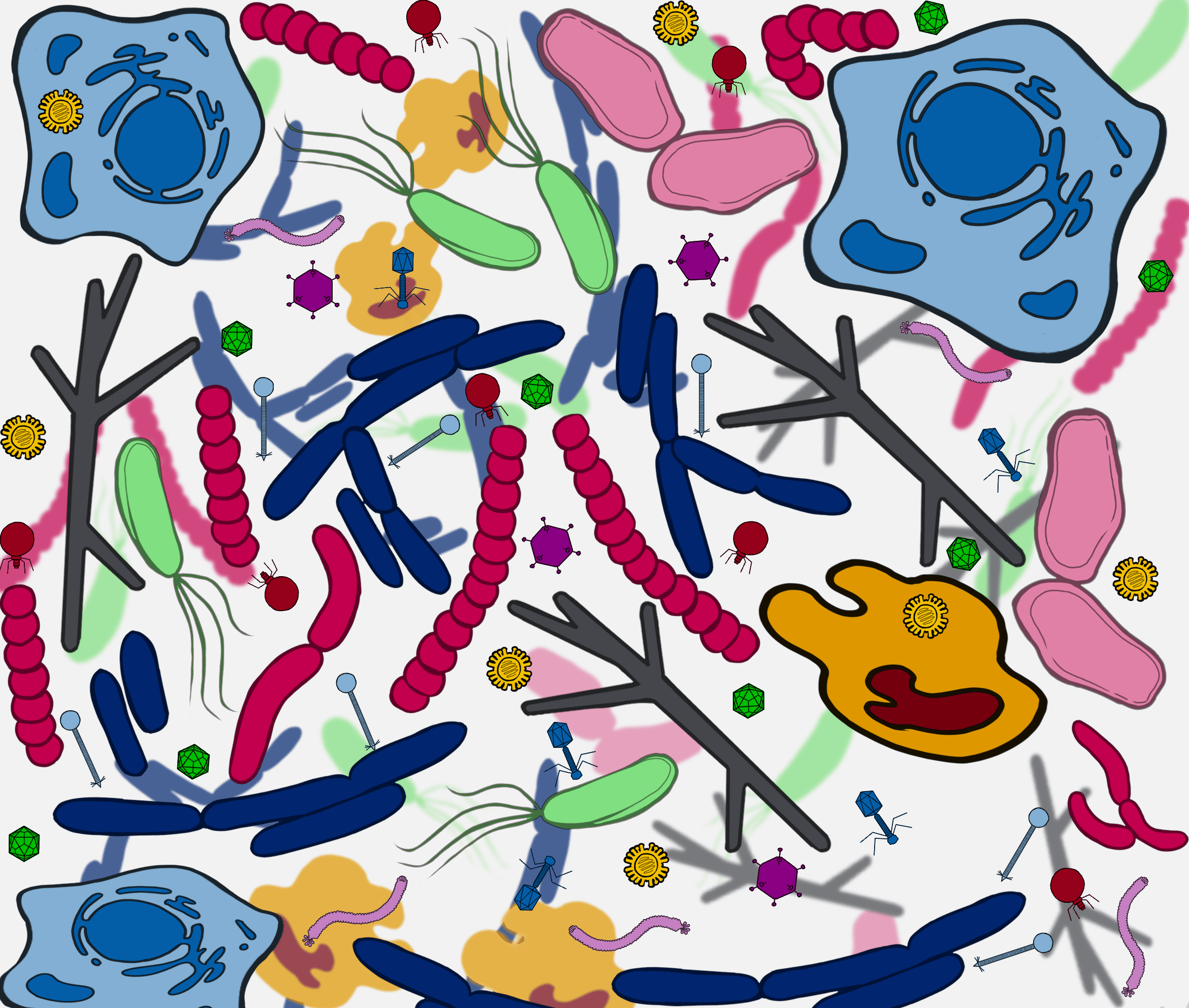
Historically, it was believed that the contents of the gravid uterus (placenta, amniotic cavity, and fetus) are sterile, known as the “sterile womb hypothesis”. However, recent studies have proposed that the womb is not sterile and is instead inhabited by a distinct, commensal microbiome. These studies use modern DNA deep sequencing techniques to detect a low microbial biomass community. However, these studies often have a notable lack of sequenced matched samples (e.g. maternal saliva or vaginal samples) and thorough negative controls, which are crucial to differentiate between authentic organisms and reagent contamination. Our group performed 16S rRNA gene qPCR, 16S marker sequencing, and shotgun metagenomic sequencing on placenta samples from term and preterm deliveries alongside matched samples and negative controls to see if we could detect a placental microbiome.
With the help of the PennCHOP Microbiome Program, the Maternal and Child Health Research Center at UPenn, and March of Dimes, we analyzed samples from 20 term and 20 preterm pregnancies, including saliva, vaginal swabs, and maternal and fetal side placental biopsies. The qPCR data showed that the placenta samples had low bacterial abundance indistinguishable from the background seen in the negative control samples, unlike the high abundance seen in saliva and vaginal samples. In our 16S sequencing data, the placenta samples did initially show a low level of bacterial DNA—however, we found that a majority of the bacterial lineages seen in placenta were also found in our negative controls and are documented contaminants. Performing cluster analysis showed that the communities seen in the placenta samples were not different from those in the negative control samples. Shotgun metagenomics allowed us to deep sequence these samples for all of the DNA present. After filtering out the human reads present, we saw that the majority of the remaining sequences from the placenta samples were annotated as Ralstonia, a known reagent contaminant and also seen in the negative controls. After further investigation, the remaining placenta reads could be attributed to erroneous classifications. In conclusion, our group did not detect an microbiome in placenta samples are term or preterm deliveries.
While the experimental data from this study showed negative results, the experimental design and execution demonstrated the importance of including thorough negative controls—specifically in low biomass microbiome studies. With the advent of intensive DNA sequencing methods and their widespread use in microbiome studies, it is important to understand the pitfalls of these techniques. Furthermore, the lack of detection of a microbiome in the placenta is also an important contribution to the fields of obstetrics and gynecology. The microbiome plays an import role in human health, and understanding its relevance during pregnancy and fetal development is an important aspect of this field. Recent studies suggesting to have found a microbiome inside the womb have opened a new line of thought about bacterial colonization of humans. With reports supporting both sides of the “sterile womb hypothesis”, it is important that we have thorough scientific investigations that generate reproducible results before moving forward with further research. This study underscores the importance of incorporating rigorous controls in the detection of an intrauterine microbiome.
Full paper can be found here: https://doi.org/10.1186/s40168-018-0575-4
Artwork done by Arwa Abbas

Follow the Topic
-
Microbiome
This journal hopes to integrate researchers with common scientific objectives across a broad cross-section of sub-disciplines within microbial ecology. It covers studies of microbiomes colonizing humans, animals, plants or the environment, both built and natural or manipulated, as in agriculture.

Related Collections
With Collections, you can get published faster and increase your visibility.
Oncobiome
This collection of papers delves into the burgeoning field of oncobiome research, exploring the intricate relationship between cancer and the microbiome. The oncobiome encompasses the diverse microbial communities residing in and on the human body, which influence cancer development, progression, and treatment responses. By examining these interactions, our aim is to unravel the complex mechanisms through which the microbiome impacts oncogenesis and therapeutic outcomes.
This compilation highlights cutting-edge research, offering insights into potential diagnostic markers and novel therapeutic strategies, thereby advancing our understanding of cancer biology and paving the way for innovative, microbiome-targeted cancer treatments.
This is a cross-journal collection between:
Experimental Hematology and Oncology
Articles will undergo the standard peer-review process of the journal to which they are submitted and are subject to either the BMC editorial policies or those of BJC Reports. Articles will be added to the Collection as they are published. The Editors have no competing interests with the submissions which they handle through the peer review process. The peer review of any submissions for which the Editors have competing interests is handled by another Editorial Board Member who has no competing interests.
Publishing Model: Open Access
Deadline: Ongoing
The Apple Microbiome
Microbiome and Environmental Microbiome are calling for submissions to our Collection on the Apple Microbiome.
With world apple production estimated at 84 million tons, the microbiome of the apple has significant implications for agriculture, food security, and human health. Understanding the complex interactions between apple plants and their associated microbial communities can lead to improved crop management strategies, enhanced fruit quality and longevity, and sustainable agricultural practices. Recent advances have highlighted the role of specific bacteria and fungi in promoting plant health and resilience against specific pathogens. Moreover, detailed profiling of these microbial communities, revealing their diversity and functional potential facilitate exciting future developments, such as the identification of beneficial microbial consortia for biocontrol and the formulation of tailored probiotic treatments for both plants and humans. By advancing our collective understanding in this area, we can work towards a more sustainable and resilient agricultural system.
Topics of interest include but are not limited to:
-Microbial diversity and function associated with apples
-Effects of soil health and rhizosphere interactions on apple production
-Impact of climate change on the apple microbiome
-Role of the apple microbiome in fruit quality
-Microbiome-driven strategies for disease resistance
This collection is open for submissions from all authors on the condition that the manuscript falls within both the scope of the collection and the journal it is submitted to.
All submissions in this collection undergo the relevant journal’s standard peer review process. Similarly, all manuscripts authored by a Guest Editor(s) will be handled by the Editor-in-Chief of the relevant journal. As an open access publication, participating journals levy an article processing fee (Microbiome, Environmental Microbiome). We recognize that many key stakeholders may not have access to such resources and are committed to supporting participation in this issue wherever resources are a barrier. For more information about what support may be available, please visit OA funding and support, or email OAfundingpolicy@springernature.com or the Editor-in-Chief of the journal where the article is being submitted.
Publishing Model: Open Access
Deadline: Sep 30, 2026