Leishmaniasis in Europe. What a One Health Surveillance Approach Reveals About a Changing Ecosystem
Published in Biomedical Research
A Mediterranean hotspot in need of a different approach
Across Europe, human leishmaniasis cases have predominantly been monitored through passive surveillance: a method that relies on patients presenting at clinics to be diagnosed, reported and counted. This approach has some advantages in a stable epidemiological landscape. It is low-cost, low-labour, and easy to maintain, especially in settings or contexts where health systems may already be stretched. Passive surveillance can quietly run in the background for years, flagging severe cases without requiring extensive field operations.
But as the ecology of leishmaniasis shifts, the limitations of this model are becoming increasingly stark.
What is Leishmaniasis?
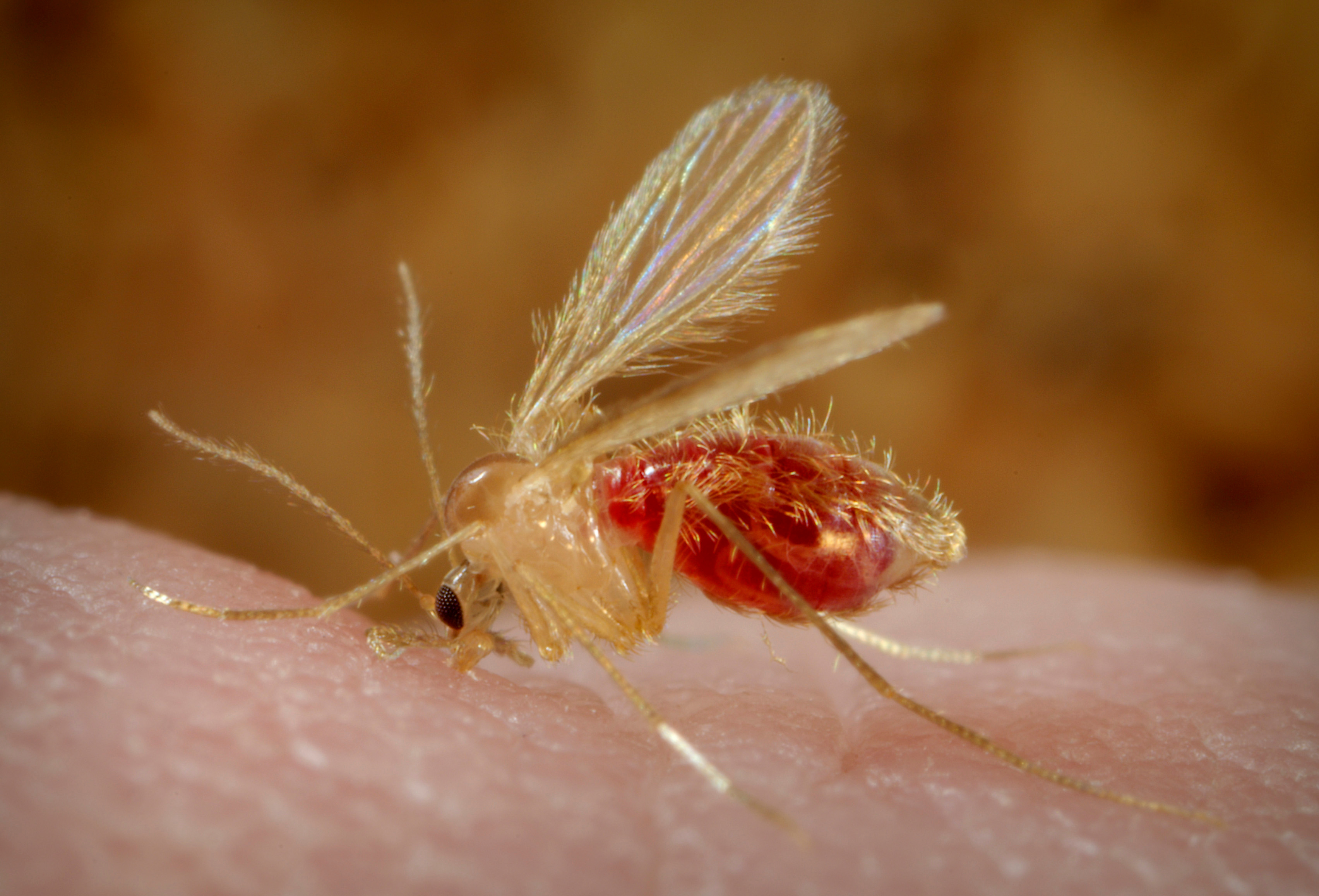
Leishmaniasis is caused by protozoan parasites of the genus Leishmania, transmitted through the bite of infected female phlebotomine sand flies. There are three main clinical forms of the disease, cutaneous (CL), visceral (VL) and mucocutaneous (MCL). All are painful, debilitating, stigmatising and VL is fatal without treatment. There are over 20 Leishmania species and over 90 sand fly species involved globally. The parasites circulate between animal reservoirs (such as dogs, cats, rodents, and humans) and sand flies. When an infected female sand fly takes a blood meal, it injects the parasite into the skin, where it is taken up by macrophages and multiplies. When another sand fly feeds, it ingests these infected cells, allowing the parasite to develop in the fly’s gut and become transmissible again. As with all vector-borne infections, it is tightly linked to climate and environmental ecosystems, factors that drive the vector's survival, susceptibility to infection, habitat and biting behaviour. Globally, an estimated 700,000–1 million new human cases occur each year, but only a fraction are reported — largely due to underdiagnosis and reliance on passive surveillance.
Leishmaniasis is a highly climate-responsive pathogen.
In Europe the main pathogen of leishmaniasis is Leishmania infantum. Of the over 50 species of sand fly found across Europe, 11 are considered vectors of L. infantum. Sand fly populations and biting habits are influenced by climatic factors and are typically seasonal, with active seasons in Europe occurring from April to November depending on latitude, with warmer areas having longer seasons. Sand fly populations can surge within weeks of favourable weather and with shifting climatic patterns, transmission seasons are lengthening, whilst new ecological niches emerge, including in northern Italy, the Balkans, and even central Europe. In this context, passive surveillance becomes reactive rather than protective (proactive). It detects cases only after transmission has already intensified — often months after climatic conditions have shifted.
Relying solely on passive systems in such a dynamic landscape is dangerous. They miss early ecological signals. They underestimate true infection burdens. And they provide little warning before outbreaks expand geographically. As climatic and ecological conditions shift, Europe needs surveillance systems that can detect change early — not only record cases once they appear.
A new study by Bruno et al. (2026) in Sicily investigates the potential of a One Health, multidisciplinary surveillance approach, one that brings together human diagnostics, canine reservoirs, vector ecology, and environmental trends to detect risk as it emerges, allowing public health responses to prepare for, and curtail, outbreaks of human leishmaniasis.
Study approach: Four data streams, one ecosystem
The researchers focused on three provinces in Sicily, Palermo, Agrigento and Caltanissetta, all having favourable ecological and climatic conditions for L. infantum and sand flies, and have shown a recent rise in human leishmaniasis cases, suggesting an active and possibly expanding transmission cycle. The team combined:
- Human clinical surveillance: 559 patients were screened between 2022-2024 in specialist units including 433 HIV-positive patients enrolled through routine surveillance programmes; participants completed questionnaires on social and behavioural aspects and were tested for CL and VS using skin biopsies/lesion sampling and blood/bone marrow aspirates respectively. These samples were tested using PCR and antibody tests. Of the screened patients, 67 had confirmed cases (mostly CL).
- Targeted canine serosurveys: Following the human leishmaniasis case detection, targeted surveys of dog populations in associated locations were carried out, including privately owned dogs and shelter dogs. For each dog, the team collected clinical history, lifestyle, age, sex, and municipality, and obtained serum, blood, and lymph node aspirates. 3,046 dogs were tested and seroprevalence ranged between 12–34%. The authors note that because sampling was intentionally clustered around human cases, these results represent contextual surveillance, not general prevalence — but they provide powerful insight into how canine infection aligns with human risk.
- Entomological monitoring: Sand fly surveys ran from May to October each year. 75,376 sand flies were collected over three years, using light traps, with sites selected based on reporting of human and canine cases of leishmaniasis and ecological suitability. Caltanissetta accounted for 80.6% of specimens. Phlebotomus perniciosus dominated with Ph. papatasi appearing in Agrigento.
- Climatic data : to understand how weather patterns shape vector activity, the team retrieved monthly temperature and precipitation data from the Servizio Informativo Agrometeorologico Siciliano (SIAS), the regional agrometeorological network. These data were aligned with entomological sampling windows and examined both contemporaneously and with short-term lags. Temperature and rainfall trends aligned with peaks in sand fly activity. Warm months (20–28 °C) following moderate rainfall consistently produced higher sand fly captures, and 2024 — the warmest and wettest year — showed the largest surge in vector activity.
Key findings: A transmission cycle shaped by climate and landscape
This integrated design allowed the team to explore how reservoirs, vectors, humans, and climate interact.
- Human infections cluster where ecological and behavioural risk align. The highest case numbers occurred in Palermo (46 cases) and Agrigento (20 cases), mirroring areas with intense canine infection. Risk was shaped by geography, behaviour and occupation. Outdoor workers (farmers, construction workers, forestry personnel) were disproportionately affected. Smoking emerged as a statistically significant predictor of PCR positivity. Most diagnoses occurred between late spring and early autumn, aligning with peak sand fly activity.
- Canine reservoirs mirror human risk. The canine dataset showed seroprevalence was highest in Agrigento and Palermo — the same provinces with the largest human case clusters. Both owned dogs and shelter dogs were affected, confirming widespread circulation across domestic and peri-urban settings. The spatial overlap between canine hotspots and human case-detection rates supports dogs as the primary reservoir sustaining transmission.
- Sand fly abundance is highly heterogeneous. Caltanissetta’s sand fly activity was greatest: 932 captures per trap-night during peak season. Palermo, despite extensive trapping, yielded only 66 flies across the entire study.
- Climate trends are extending the transmission season. Warm months (20–28 °C) following moderate rainfall produced the highest sand fly counts, with 2024 as the warmest and wettest year, showing the largest vector surge. The shifting climates and weather patterns in the Mediterranean and across Europe may indicate a future where vector activity begins earlier, lasts longer, and reaches higher peaks.
Implications: What this means for One Health surveillance in Europe
A. Dogs remain the most reliable early-warning system.
Canine seroprevalence consistently overlapped with human case clusters, even when vector abundance did not. This reinforces what many Mediterranean studies have shown: dogs often signal local transmission before humans do. Because canine infection accumulates over time, routine serosurveillance — especially in rural and peri‑urban settings — can provide early indications of intensifying transmission. The authors emphasise that canine data, even when collected in response to human cases, offer valuable contextual insight into reservoir pressure.
B. Climate change is reshaping Mediterranean vector ecology.
The study’s entomological data show a clear climate signal: warm months (20–28 °C) following moderate rainfall produced the highest sand fly captures, and 2024 — the warmest and wettest year — saw the largest surge. This aligns with trends reported in northern Italy, Greece, and Spain, where sand fly ranges are expanding and seasonal windows are lengthening. The authors caution that these climatic shifts may allow L. infantum transmission to intensify or spread into previously marginal areas, underscoring the need for surveillance systems that can detect ecological change, not just clinical cases.
C. Entomological surveillance - vector abundance alone does not predict human risk.
An interesting finding is the mismatch between where human and canine infections cluster (Palermo and Agrigento) and where sand flies are most abundant (Caltanissetta). The authors interpret this not as a contradiction but as an ecological reality:
-
- Human case-detection reflects hospital pathways, not necessarily where transmission is highest. Palermo hosts major referral centres and a large HIV surveillance cohort, inflating clinical detection relative to true incidence.
- Canine sampling was triggered by human cases, so seroprevalence hotspots partly reflect response-based sampling rather than uniform coverage.
- Sand fly abundance is shaped by microclimatic suitability, not population density. Caltanissetta’s inland, rural landscapes provided more favourable conditions for sand flies than Palermo’s coastal urban environment.
This mismatch highlights how human and canine data reflect health-seeking behaviour and response-based sampling, whereas sand fly abundance reflects ecological suitability — a reminder that surveillance systems must account for these differences.
D. Integrated data streams are essential
The authors repeatedly emphasise that no single dataset captures the full transmission picture. Human clinical data underestimate incidence; canine serosurveys reflect reservoir pressure but are influenced by sampling design; vector captures reveal ecological suitability but not necessarily human exposure; and climate data show environmental drivers but not behavioural risk. When combined, however, these datasets reveal:
- ecological synchrony between climate, vectors, reservoirs, and human exposure
- localised hotspots that passive surveillance alone would miss
- early signals of intensifying transmission that could inform targeted interventions
Why this matters beyond Sicily
L. infantum is expanding northward across Europe. Sicily’s experience — rising temperatures, shifting rainfall, expanding peri-urban zones, can be seen as an early case study of what other regions will, and may already, be dealing with. Passive surveillance still has value — it is low-resource, stable, and essential for clinical management — but relying on it alone in a rapidly changing climate risks missing early warning signs of emerging public health crises.
This study explores how a One Health surveillance approach could help detect early ecological signals of intensifying transmission before human cases spike, calling for increased cross-sector coordination between clinicians, veterinarians, entomologists, and public health authorities. As Europe continues to warm, regions currently considered marginal for leishmaniasis may experience similar ecological shifts, making early, integrated surveillance increasingly essential.
Main image alt text: A close-up photograph of a sand fly feeding on human skin. The insect has delicate, translucent wings, a small hairy body, and a reddish abdomen swollen with blood. The background is blurred, drawing focus to the sand fly and the skin surface. Attribution: Content provider: CDC / Frank Collins, Public domain, via Wikimedia Commons
Author statement: I used a generative AI, large language model application to support the drafting and structuring of this blog. The AI app assisted with summarising sections of the referenced research article and refining wording to improve clarity. All interpretation, framing, and final editorial decisions are my own.

Anouk coordinates a multi-stakeholder platform to share evidence-based tools, develop preferred practices, produce concept proposals and publish resources for the Global Schistosomiasis Alliance.
Her background is in biomedical research with a focus on parasitic diseases, and extensive experience in cross-partner and cross-sector communication and coordination to meet public health goals. She volunteers in environmental conservation, and as a STEM Ambassador, visiting schools to give talks on biomedical science, careers linked to STEM.
Follow the Topic
-
BugBitten
A blog for the parasitology and vector biology community.