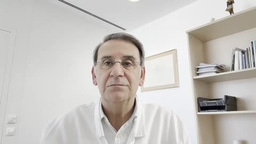
Meet Cardiovascular Diabetology's Associate Editor of the Year - Dr. Dídac Mauricio
Published in General & Internal Medicine


This role has helped me become a better researcher, learn from others, and gain a much broader perspective on what scientific publishing really means as a standard of our professional work.
Congratulations on winning this year’s Cardiovascular Diabetology Associate Editor Award! What were your first thoughts when you learned that you won?
Receiving this award is an important recognition of my job as editor. As an Associate Editor, I always aim to apply the same standards that I value as an author when submitting our group’s research for publication. As an author, you expect rigor, efficiency in the editorial process, and the feeling that the editorial team is truly there to help you improve and communicate your work. This award encourages me to keep working with this same commitment and perspective.
Please do introduce yourself:
I am a clinical researcher focused on diabetes complications for the past 20 years, with a particular interest in cardiovascular disease in diabetes. Our research group also works on other diabetes-related complications such as MASLD, diabetic foot and microvascular disease, as well as on different epidemiological aspects of diabetes. I am a clinical endocrinologist at Hospital de la Santa Creu i Sant Pau in Barcelona and currently serve as the Scientific Director of CIBER of Diabetes and Associated Metabolic Diseases (CIBERDEM) at the Instituto de Salud Carlos III — a national research network of excellence in diabetes in Spain. I am also Professor of Endocrinology at the Faculty of Medicine, University of Vic – Central University of Catalonia.
Why did you choose this research area?
Often, the areas of research we dedicate ourselves to are shaped by professional circumstances, opportunities, and the influence of key people who act as true mentors during decisive moments of our careers. In my case, I had always worked in diabetes, but nearly twenty years ago, in a previous institution, I found the opportunity and the intellectual environment that opened the door for me to explore the field of diabetes complications, especially cardiovascular disease in diabetes. That experience and the help of my peers were crucial in defining my research path and continue to inspire my work today.
What is your vision — what would you like to achieve with your research?
I have always believed that the highest aspiration for a clinical researcher is to see that the knowledge we may generate, whether small or significant, can ultimately translate into changes in daily clinical practice. The true impact of research lies in improving the decisions we make on the persons we serve. My goal is to contribute, even modestly, to advancing the understanding and management of diabetes and its complications so that patients can benefit from a more effective, and evidence-based care.
How does a typical working day look like for you?
My typical working day varies depending on the day of the week and whether I have other scientific commitments. My time is divided among different responsibilities. On the clinical side, I see patients in the outpatient clinic, take part in the general clinical sessions of our department, and participate in our weekly diabetic foot committee.
On the management side, I attend meetings with colleagues and deal with the daily issues that arise in the department.
In addition, during several weeks every year, I have teaching duties with medical students. Additionally, I have weekly meetings with our research team, and I also supervise PhD students.
Finally, a significant part of my time is devoted to reading and writing scientific documents, i.e. papers, projects, research protocols and so on. Every week is a mix of clinical work, research, teaching, and management, which makes the job both demanding and deeply rewarding.
You have been working as Associate Editor for Cardiovascular Diabetology since 2021. What do you like about your work as Associate Editor for the journal?
Working as an Associate Editor for Cardiovascular Diabetology is, above all, a privilege. It is one of the most prestigious journals in the field; what more could I ask for! It is truly the best journal I have had the opportunity to collaborate with.
This role has helped me become a better researcher, learn from others, and gain a much broader perspective on what scientific publishing really means as a standard of our professional work. I have also learned a great deal from my own mistakes — a fundamental part of both research and editorial work, and an essential source of growth and improvement.
What has been your most rewarding or challenging experience as an Associate Editor?
I would say that the most challenging experiences, but also the ones that help you grow, are those in which authors disagree with your final editorial decision. No one likes to receive bad news, and although it doesn’t happen often, a critical or assertive reaction from authors is sometimes necessary and even constructive. After all, as editors, we are not infallible. I have learned a lot from these situations, and I am especially grateful to Professor Enrique Fisman (the Editor-in-Chief), from whom I have learned how to handle them with fairness, empathy, and professionalism.
Has the journal work had any impact on your research or views?
The experience as an editor was not entirely new to me, as I had previously led the scientific journal of scientific societies in Spain. However, working as an editor for such a high-impact and visible journal in the field of diabetes has been, as I said previously, both highly rewarding and demanding. It is an experience I would strongly recommend to any colleague as it gives you a deeper understanding of the scientific process and helps you grow as a scientist. As we often say, research is fun, and that certainly includes editorial work.
Follow the Topic
-
Cardiovascular Diabetology
This journal considers manuscripts on all aspects of the diabetes/cardiovascular interrelationship and the metabolic syndrome; this includes clinical, genetic, experimental, pharmacological, epidemiological and molecular biology research.

Related Collections
With Collections, you can get published faster and increase your visibility.
Vascular Drivers of Cardio-Metabolic Disease: Mechanisms and Clinical Implications
Despite advancements in glycemic control, cardiovascular disease remains the leading cause of morbidity in diabetes. The plateau in clinical outcomes suggests that we may have overlooked a complex, multi-organ communication network—the vasculome. This Collection seeks to move beyond traditional glucocentric frameworks to better understand endothelial biology as a dynamic interface integrating metabolic, immune, neural, and hormonal signals. We focus on the concept of the endothelial interactome, a heterogeneous and spatially diverse regulatory system that contributes to vascular dysfunction, organ-specific complications, and cardiometabolic risk.
The aim of this Collection is to provide a high-impact platform for research that characterizes site-specific endothelial heterogeneity and its interactions with peripheral organ systems in cardiometabolic disease. We particularly encourage studies that identify molecular and cellular “signatures” (e.g., angiokines, inflammatory mediators, and metabolic regulators) that contribute to organ-specific vascular complications. By integrating systems biology approaches with clinical and translational data, we aim to advance understanding of disease mechanisms and identify novel targets for prevention, risk stratification, and precision therapy, including strategies that address persistent vascular dysfunction despite metabolic control.
We welcome original research articles, clinical investigations, observational cohort studies, randomized clinical trials, high-level reviews, and translational perspectives.
Topics of interest include, but are not limited to:
- Neuro-Immune-Vascular Axis: Interactions between autonomic regulation, immune activation, and vascular inflammation in cardiometabolic disease
- Sex as a Biological Variable: Sex-specific mechanisms contributing to vascular complications in diabetes and metabolic disease
- Epigenetic and Immune Memory: Mechanisms of vascular “trained immunity” and potential strategies for reversal or modulation
- Systems Medicine Approaches: Multi-omics, computational modeling, and organ-on-a-chip platforms to study endothelial heterogeneity and inter-organ communication
- Clinical Translation: Biomarkers, imaging approaches, and therapeutic strategies targeting vascular dysfunction and improving cardiovascular outcomes in diabetes and related metabolic disorders
We invite contributions that bridge basic, translational, and clinical research to advance a more integrated understanding of vascular disease in cardiometabolic disorders. Our goal is to translate mechanistic insights into meaningful clinical outcomes that improve prevention, diagnosis, and treatment in metabolic disease.
All submissions in this Collection undergo the journal’s standard peer review process. Similarly, all manuscripts authored by a Guest Editor(s) will be handled by the Editor-in-Chief. As an open access publication, this journal levies an article processing fee (details here). We recognize that many key stakeholders may not have access to such resources and are committed to supporting participation in this issue wherever resources are a barrier. For more information about what support may be available, please visit OA funding and support, or email OAfundingpolicy@springernature.com or the Editor-in-Chief.
Publishing Model: Open Access
Deadline: Jun 09, 2027
Cardiometabolic and Hepatic Interconnections: From Mechanisms to Clinical Implications
Cardiovascular Diabetology features a Collection on "Cardiometabolic and Hepatic Interconnections: From Mechanisms to Clinical Implications". This is a companion Collection with Diabetology & Metabolic Syndrome with the title "MASLD Beyond the Liver: Epidemiology, Pathophysiology, Diagnosis, and Therapeutic Implications in Multisystem Disorders".
Cardiometabolic and liver diseases are no longer viewed as isolated entities. Growing evidence shows that hepatic and cardiovascular dysfunctions are tightly interconnected through shared metabolic, inflammatory, hemodynamic, and hormonal pathways. This crosstalk shapes disease trajectories and opens opportunities for integrated diagnostics and therapies.
Key interconnections include:
- Insulin resistance. The liver is pivotal for glucose and lipid homeostasis. Hepatic insulin resistance drives excess glucose production and dyslipidemia, contributing to the cardiovascular–kidney–metabolic (CKM) syndrome.
- Metabolic dysfunction–associated steatotic liver disease (MASLD). Highly prevalent in obesity and metabolic syndrome, and especially common in type 2 diabetes (T2D), which bears the highest MASLD burden. Progression to steatohepatitis or fibrosis markedly increases atherosclerotic risk.
- Liver-derived factors. Hepatokines (e.g., FGF21) and extracellular vesicles influence cardiac tissue, vascular tone, and systemic metabolism, potentially amplifying inflammation, oxidative stress, and lipotoxicity across organs.
- Systemic inflammation and lipotoxicity. Visceral adipose tissue and the liver release inflammatory cytokines and triglyceride-rich lipids, promoting endothelial dysfunction and perpetuating metabolic disturbances.
- Dyslipidemia. Elevated triglycerides and LDL, with reduced HDL, accelerate atherogenesis and cardiovascular risk.
- Hemodynamic and metabolic stress. Heart failure can cause hepatic congestion and hypoperfusion, while advanced liver disease can precipitate cirrhotic cardiomyopathy and arrhythmias, even in the absence of prior heart failure.
In summary, hepatic and cardiometabolic systems are functionally and pathologically intertwined: liver dysfunction worsens cardiovascular and metabolic health, and cardiometabolic disturbances accelerate hepatic pathology.
This Collection welcomes original research articles, reviews, and meta-analyses focused on this reciprocal relationship. Given the high prevalence of MASLD in T2D, we especially encourage submissions at the T2D–MASLD–cardiovascular interface. Addressing hepatic and cardiometabolic health in parallel is essential for effective risk reduction and patient care.
This Collection supports and amplifies research related to SDG 3, Good Health and Well-Being.
All submissions in this Collection undergo the journal’s standard peer review process. Similarly, all manuscripts authored by a Guest Editor(s) will be handled by the Editor-in-Chief. As an open access publication, this journal levies an article processing fee (details here). We recognize that many key stakeholders may not have access to such resources and are committed to supporting participation in this issue wherever resources are a barrier. For more information about what support may be available, please visit OA funding and support, or email OAfundingpolicy@springernature.com or the Editor-in-Chief.
Publishing Model: Open Access
Deadline: Oct 31, 2026