Meet the 2019 chemistry ECR travel grant recipient!
Published in Chemistry
The Communications journals first introduced travel grants for early career researchers in 2018 to help promising researchers travel to an international scientific meeting of their choice that they would otherwise have not been able to attend due to a lack of funds.
The recipients were chosen by a judging panel consisting of both professional editors and practicing scientists, following a comprehensive assessment process.
Communications Chemistry Travel Grant Recipient
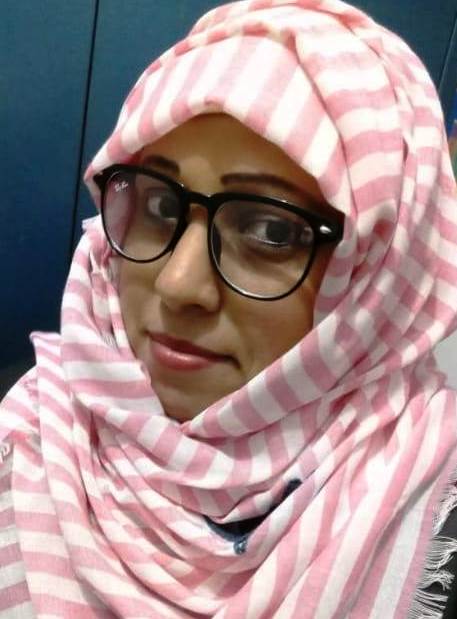
Samima Khatun
Aligarh Muslim University, India
Samima recently completed her PhD research on thermodynamic and spectroscopic studies on interactions in ligand systems. In July 2020, she will attend the 26th International Conference on Chemical Thermodynamics in London, UK.
Sign up for free journal e-alerts or follow @CommsChem on Twitter to hear more about Samima's experience in London.

Follow the Topic
-
Communications Chemistry
An open access journal from Nature Portfolio publishing high-quality research, reviews and commentary in all areas of the chemical sciences.
Related Collections
With Collections, you can get published faster and increase your visibility.
Peptide drug design
Publishing Model: Hybrid
Deadline: Jan 28, 2027
Synthetic approaches to carbon nanomaterials
Publishing Model: Open Access
Deadline: Nov 30, 2026