Meeting With A Siren – Is It Always Dangerous?
Published in Genetics & Genomics and Arts & Humanities
Explore the Research
 Springer Berlin Heidelberg
Why Music is Genetic
This book explores how music may be genetically embedded in humans, shaping emotions, social bonds, and even offering therapeutic potential.
Simply speaking, Why Music is Genetic addresses the question of why humans enjoy hearing and making music. Our brain rewards us even when we just listen to music. Apparently, this is programmed somewhere in our genes, but why? What happens and does it make sense in terms of evolution? And can we even use that for therapeutical applications, a bit like a prescription earworm? Mediating a fresh point of view on these topics, the story behind the book actually started at a birthday party. Let‘s hear what the authors can tell us about that:
Interviewer: Christine and Joern, how did you first meet?
Christine: A birthday party. Weird guy. A medical doctor or some kind of a scientist dealing with human genes. Wonder if he's any good at small talk. But well, someone's gotta go talk to him. Showing a little polite interest in what he does is always a good way to start. So what about inheritance of musical aptitudes?
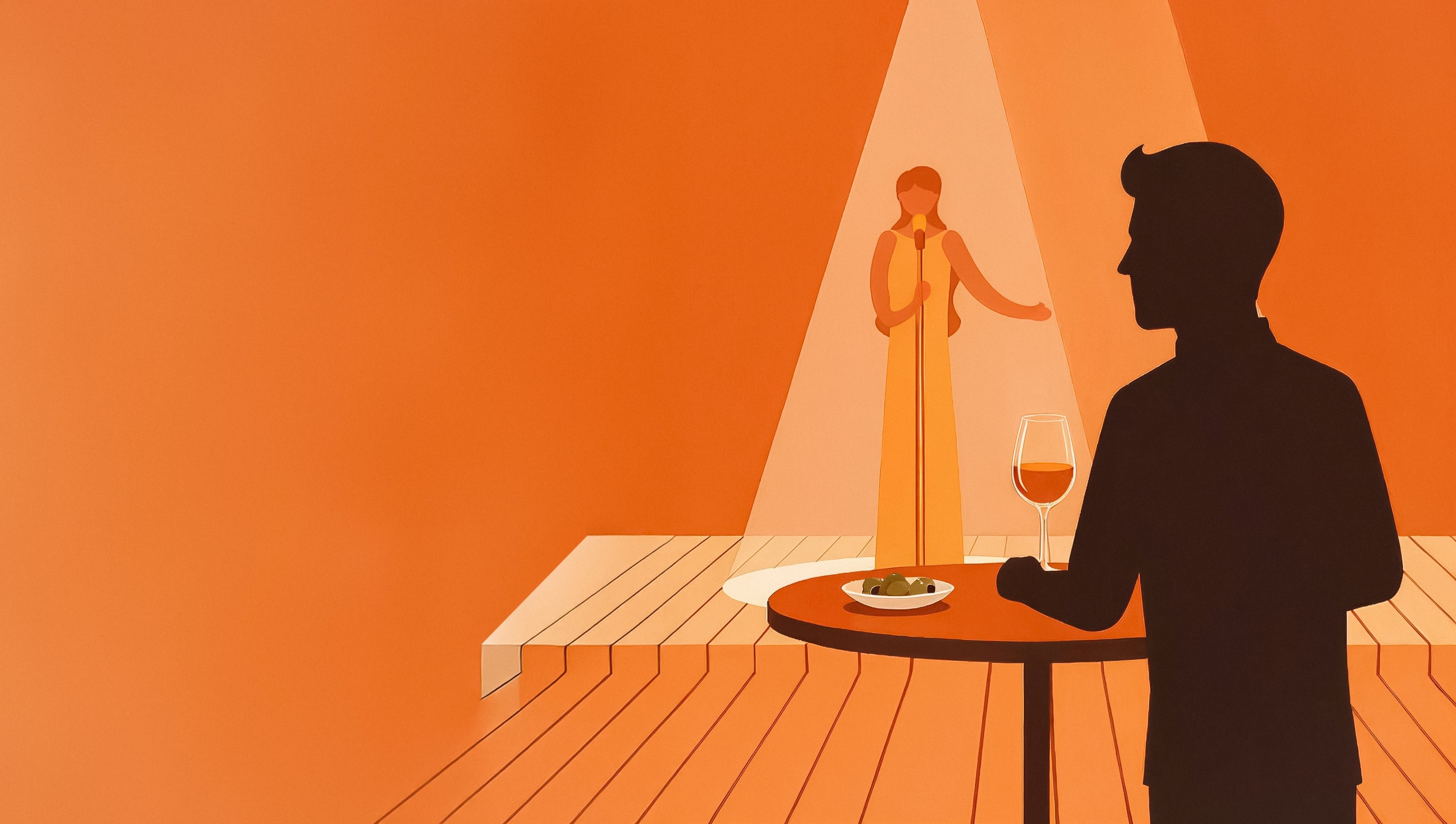
Joern: Same party. A soprano, meaning kind of a next generation Siren. Reminds me of Homer:
If anyone unwarily draws in too close and hears the Sirens singing, his wife and children will never welcome him home again.
However, this one seems to be less dangerous than the originals. Many questions to ask her about music.
Interviewer: Obviously, talking once about music and genes does not a book make. So what were the next steps?
Joern: In the meantime, Christine and I did quite a bit of research on two central questions: Why people enjoy music, and why our brain rewards us when we hear music. Two fascinating questions, and the findings from our research were just as fascinating. So why not write a book about it?
Christine: Exchanging and discussing articles. Then, six months and several meetings later, Joern gave me a USB stick full of PDF copies of academic papers. A collection of what we both had read since that birthday party. His idea was that, once reviewed, they might become the basis for a book about why people enjoy music. Whether anything might really come of it, who knows? But I thought it might definitely be worth giving it a shot.
Interviewer: Similar question. A couple of scientific articles doesn’t make a book either. How did you proceed?
Christine: We needed a structure for the book—something that would keep us on track as we wrote. It didn't take long to find it. Seven chapters, each focusing on a key theme: Stories, Senses, Inheritance, Animals, Taste, Feelings, and Sublimity.
Joern: And what we needed was a place where we could really concentrate on the book. Where better to get close to the Sirens than the Gulf of Naples? Naples and Capri in early summer, the Teatro di San Carlo, and the whole atmosphere—we couldn't have asked for a more inspiring setting to write the first draft spending roughly one week.
Interviewer: So, are you saying the entire book was written in just seven days?
Christine: It would be great if we could simply say yes, wouldn't it? But of course, that's not what happened. After a week, we had a detailed roadmap for each of the seven chapters—what we wanted to cover and how we wanted to approach it. Up to that point, it had all been nearly pure enjoyment. The real work only began once we were back home, and it took us about another year to finish the book.
Joern: Well, if you include the breaks for your concert tours! In any case, it was a year of endlessly polishing individual sentences—sometimes spending hours on single phrases. And there were times when Café—spelled with an acute accent on the "e" (an inside joke; you'll have to read the book for the full story)—became our unofficial third co-author. Its only job? Keeping the writing team awake.
Interviewer: It seems the coffee did its job. The book is finished—in German, and now in English as well. So, what's next?
Joern: Why do people enjoy listening to music? Evolution has left us with a fascinating mystery. Why does our brain reward us for listening to music in much the same way as it rewards us for eating something delicious? There has to be a reason for that.
Christine: Maybe there is—and just maybe our book has brought us one small step closer to the answer. But let me ask you something: what is it with you scientists? Why do you always want to explain everything? That's another evolutionary mystery. There may well be things that we humans will never fully understand.
Joern: Fair enough. But scientific curiosity is also one of evolution's gifts.
Interviewer: Sorry—even though this is a fictional interview, and I'm an even more fictional interviewer, I can't let it turn into the two of you debating each other. So let me ask again. To the next-generation Siren and the human geneticist: is this a subject worth pursuing?
Joern: Absolutely. Understanding how our brains process music—and how our bodies respond to it—is a fascinating challenge in itself. Much of that ability must be written into our genetic makeup. The better we understand why evolution gave our species this remarkable capacity, the closer we come to understanding what advantages it may have offered us.
Christine: So far we've only touched on it briefly, but the connection between music and medicine is becoming increasingly important. Music, in all its many forms, is already being used therapeutically today. The more we learn about its effects and its significance, the more precisely we can apply it in medicine. So my answer is an unequivocal yes as well.
Interviewer: Thank you both very much for taking the time to talk with me.
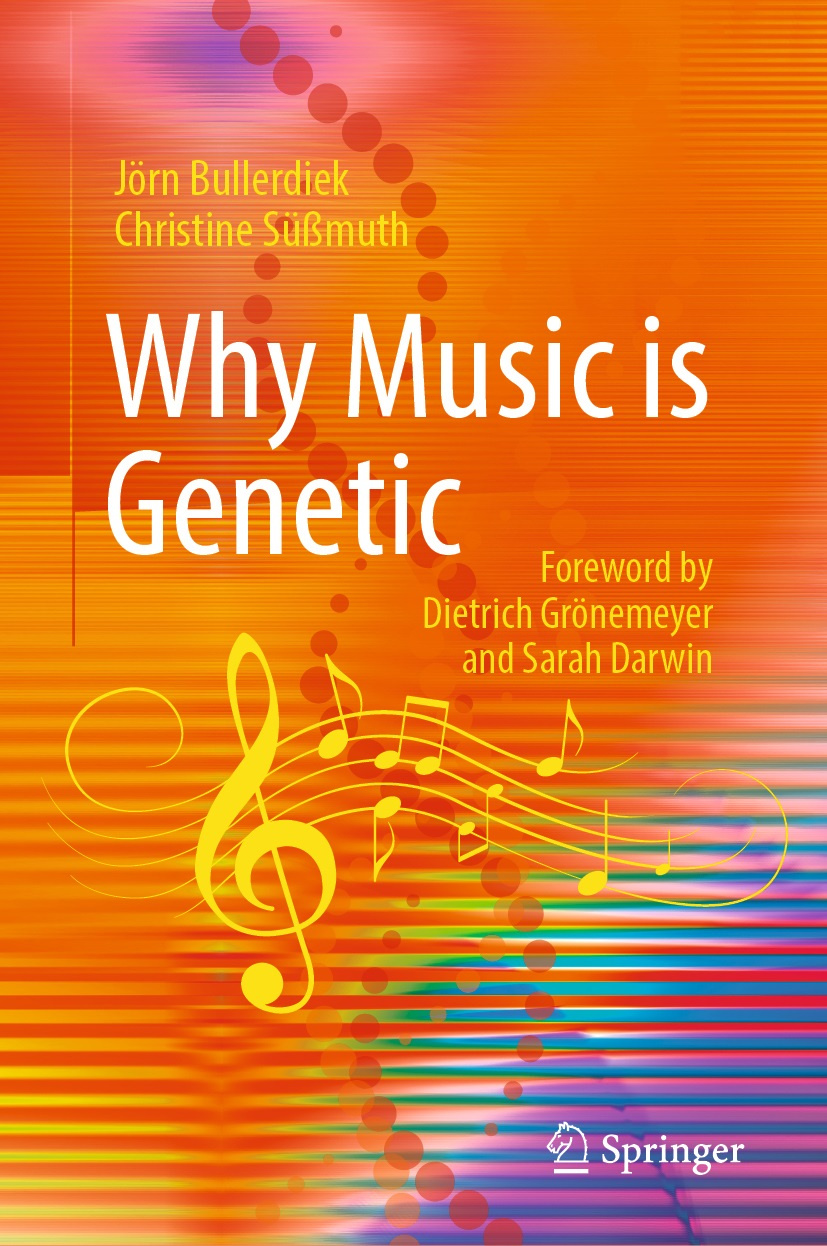
"Why Music is Genetic" explores the evolutionary and genetic foundations of musicality, as well as the implications of music for cognition, emotion, and health. The book is available from Springer: https://link.springer.com/book/10.1007/978-3-662-72503-0

I am a Publishing Editor in Springer's Biomedicine and Life Sciences team, responsible for a diverse portfolio of books across biomedicine, with a focus on human genetics, immunology, and nutrition. My role involves identifying emerging research areas, commissioning new publications, and collaborating with leading scientists and clinicians to create authoritative resources that advance research and healthcare. I am committed to supporting scientific communication and fostering excellence in academic publishing.