Metal Organic Frameworks (MOFs) – a Synergistic Playground for Chemists and Bioengineers
Published in Bioengineering & Biotechnology, Chemistry, and Materials
Metal organic frameworks (MOFs) have always fascinated me since when I first read of them, due to their versatility as multifunctional, viable and unique materials that can combine natural biological functions with synthetic chemistry for a range of functionalities, among which catalytic activity is a distinct feature. Personally, my interests in MOFs stem from my early scientific background and research training in synthetic organic chemistry, where the chemist’s acumen to synthesize a novel product from “scratch,” also formed the initial guidance to my research directions thereafter in “bottom-up engineering” and “top-down engineering” approaches as a bioengineer.Incidentally “bottom-up engineering” is also the principle on which MOFs are built (Figure 1).
Since I haven’t exclusively written about MOFs in the past, or on my collection of the articles on Nature Portfolio. For this article, I detail this multifaceted class of crystalline materials imbued with ultrahigh porosity – suited for diverse multifunctional roles across catalytic, environmental, and biomedical engineering applications from Earth to space. I have described variants of its chemical form known as metal organic frameworks (MOFs), covalent organic frameworks (COFs), molecular weaving, etc., in reference to its structure, form and function that stem from either conventional or more modern design principles of chemistry. However, unless otherwise specified, all unique materials that are developed are referred to as MOFs throughout this article.
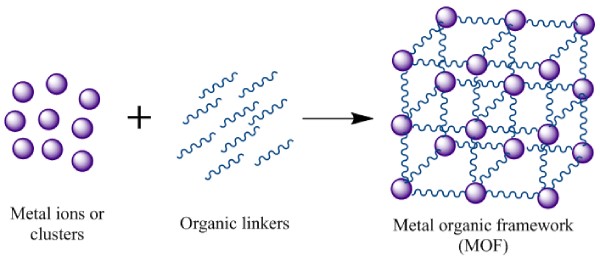
Figure 1: The development of MOFs comprises of building up a material construct made of metal ions and organic ligands as a hybrid organic/inorganic material, arranged in a crystalline network or framework. Credit: Amrita Vishwa Vidyapeetham
Metal Organic Frameworks (MOFs) in the news
The MOFs have rapidly entered the public conscience more recently, soon after this invention coined and spear-headed by Chemist Omar Yaghi led to him receiving the Nobel Prize in Chemistry in 2025. This led to both the concept and the chemist gaining notable public popularity both online and beyond. The invention fittingly received attention and recognition as a breakthrough material for its far-reaching applications across chemistry, biomedical research, and in environmental research, particularly within water conservation due to its “sensational” capacity to harvest water from dry air, with broad-ranging applications in remote communities with resource limitations.
Building Molecular Legos
To harvest water from dry air (and for any MOF application for that matter), the metal organic frameworks are built akin to “molecular Legos” with staggering structural features that define their chemical versatility in a 3-D grid, with pores. The highly porous, powdery and customizable nature of MOFs has lent itself to explore clean energy storage, carbon capture, and water purification based on its simple and potentially universal design strategy [Li H. et al. 1999].
For example, MOF-5 is an early version of the concept developed with the molecular formula [Zn4O(BDC), where BDC = 1,4 benzodicarboxylate]. The compound is one of the most popular MOFs developed in the Omar Yaghi lab, where just one gram of the component is analogous to having an internal surface area roughly the size of a football field [Li H. et al. 1999].
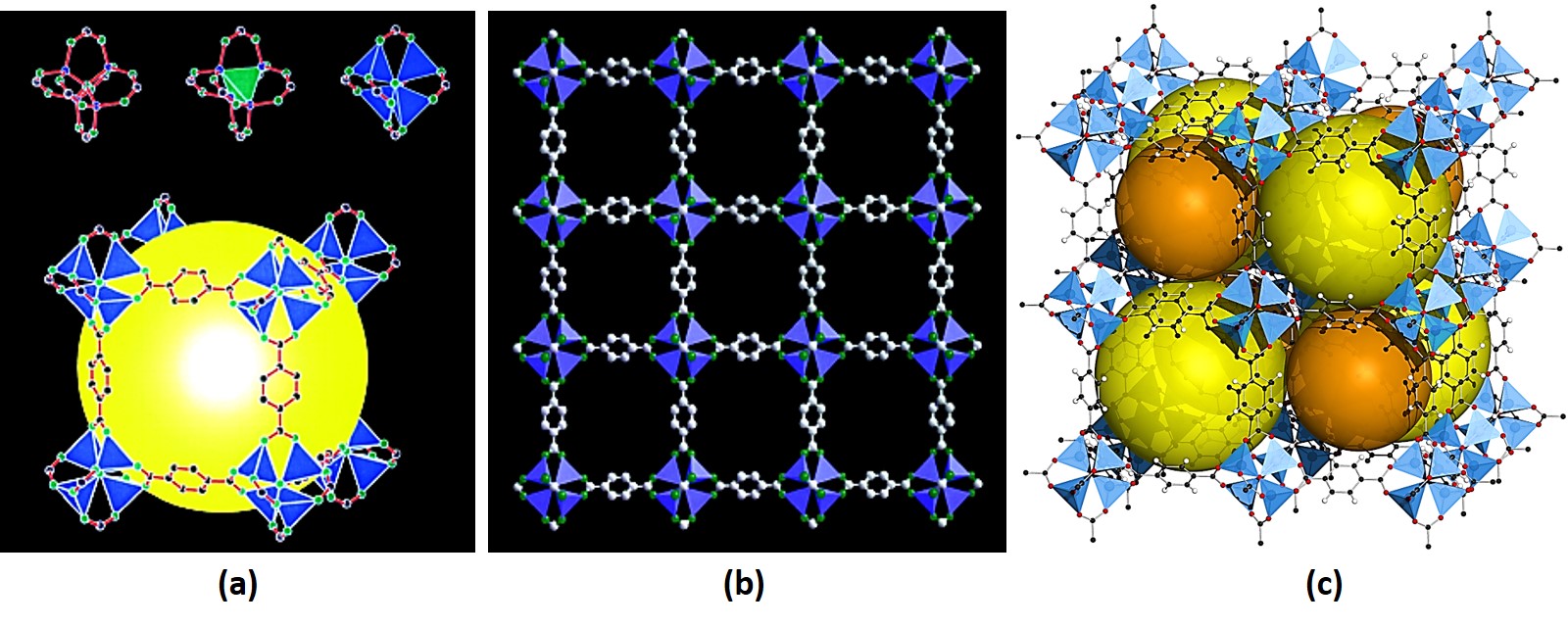
The accessibility of the synthetic and structural pores to copolymerize organic molecules with metal ions is based on inclusion chemistry – foundational to these unique material frameworks [Hailian L. et al. 1998]. This is further represented alongside reticular chemistry in pioneering early studies carried out by the Omar Yaghi lab at the University of California Berkley (Figure 3).
MOFs sit at the intersection of inclusion chemistry and reticular chemistry, where materials scientists and bioengineers are not only drawn to their multifunctionality, but to also appreciate their “aesthetically pleasing” architecture due to an inherently eternal aspiration to create or engineer a product starting from first principles.
The “aesthetic beauty of MOFs” can distinguish these novel constructs from other synthetic materials via its capacity to combine organic and inorganic components – two disciplines that are often regarded as disparate.
The Physics of MOFs – an overlapping cross-disciplinary niche
From an energetic and entropic viewpoint, MOFs align with the laws of thermodynamics, reiterating Aristotle’s statement that “Nature abhors open space in solid-state materials.” These assemblies are built on the idea that unfilled spaces go against the laws of nature and physics, and that every space ought to be filled, in favor of thermodynamics [Xamena F. and Gascon J. 2013]. Even though MOFs are mostly open space in highly microporous frameworks, their stability arises due to “vibrational entropy” associated with large-amplitude vibrations (phonons), to significantly increase the entropy of the porous state – for thermodynamic stability [Wu D. and Navrostsky A., 2015].
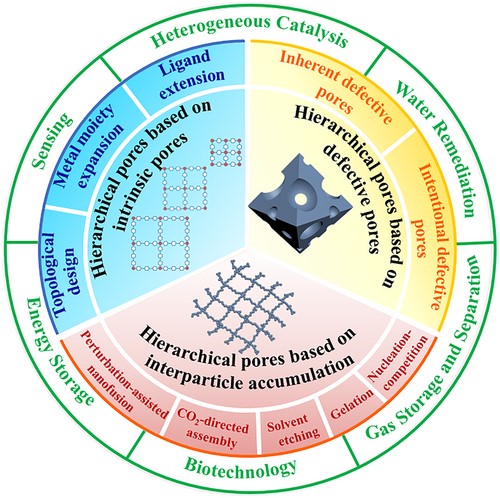
Real-world MOFs are, however, rarely perfect crystals, with thermodynamic defects arising due to linker vacancies and disordered solvent molecules trapped inside the pores, which engineers deliberately integrate to the design process too - through defect engineering (Figure 3) [Yao Y. et al. 2022].
Of course, there are experimental reports that have contradicted Aristotle’s statement about "nature abhorring open space in solids," for example with how water might refuse to fill a class of bowl-shaped molecules known as cavitands (due to the presence of oily groups at the rim of those molecules) in an aqueous solution. But that’s a different story [Barnett J. et al. 2020].
Thus far MOFs show structural compliance to the laws of thermodynamics when incorporating specific guest molecules to form inorganic building units. In conjunction, the highly porous nature of MOFs represents a balancing act of thermodynamic forces when dictating their multifunctionality as concentrators (molecular sponge) and catalysts. The crystal shape and topological rules contribute to the final, activated versatile MOF structure [Sezgin P. et al. 2025].
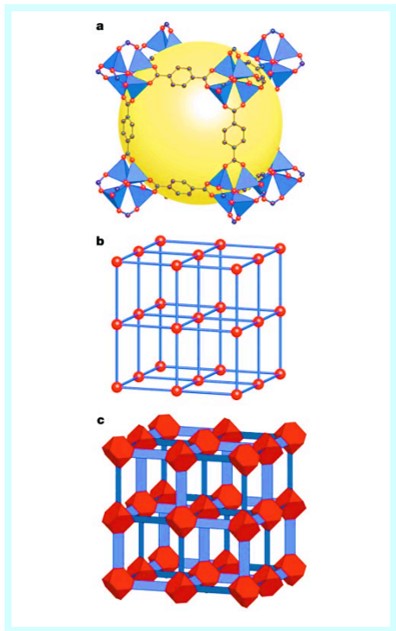
Example colorless prism-shaped crystals of zinc-infused MOFs represent a 2-D sheet-like grid, which X-ray single-crystal analysis on the product reveals as an extended open-framework (Figure 4a) formulated as Zn (BDC).(DMF)(H2O) (where BDC = 1,4 Benzenedicarboxylate and DMF = N, N’–dimethylformamide). The crystal structure of the product can be visualized in 3-D (Figure 4b, c) [Lin R. et al. 2020, Hailian L. et al. 1998].
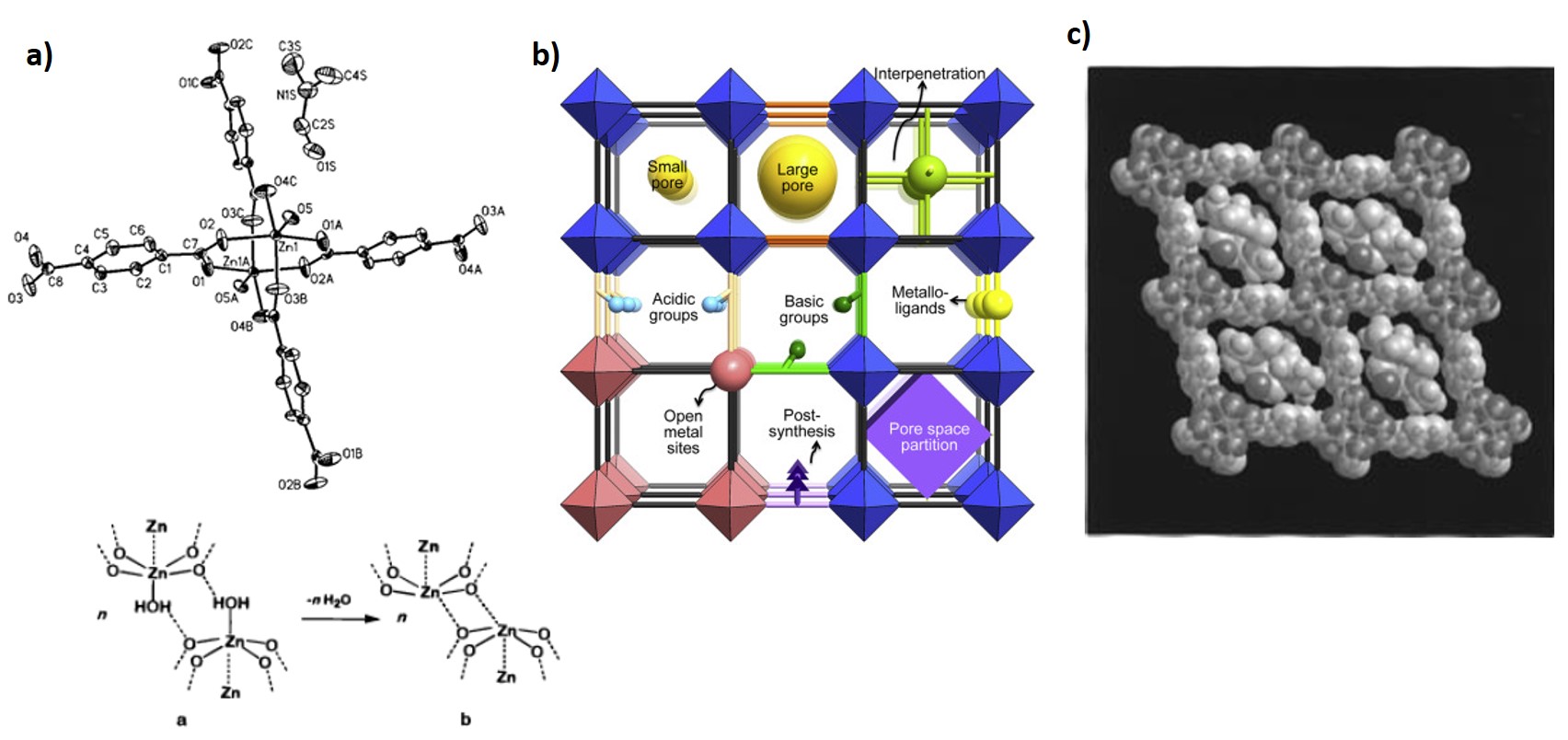
While MOFs are the forte of chemists with a background in solid-state chemistry and in coordination chemistry [Stock N. et al. 2013]. Their applications have also piqued the interest of materials scientists and bioengineers, to present an overlapping cross-disciplinary niche that brings together different fields in order to yield a range of innovative developments.
A synergistic playground with broad-ranging applications
MOFs mainly combine two components – a metal ion cluster and an organic cluster to overlap two distinct scientific backgrounds in order to effectively harness seemingly “endless” possibilities [Zhou H. et al. 2012]. The structures provide a playground for materials scientists and engineers to explore materials features for manifold developments. Possible synergistic play includes,
- Hydrogen/CO2/ Oxygen gas capture,
- Water-ion capture,
- Luminescence-based sensing properties based on strategic interactions between optical and ferroelectric properties,
- Localized surface plasmon resonance as a powerful pairing for enhanced optical sensing
- Fuel and solar cells,
- Photocatalysis, as well as
- Electromechanical sensors for energy storage (Figure 5) [Zhou H. et al. 2012, Sezgin P. et al. 2025].
The MOF synthesis originates from an understanding of the principles of crystallization, to form a route towards reaction conditions and chemical parameters, to develop new and unique materials.
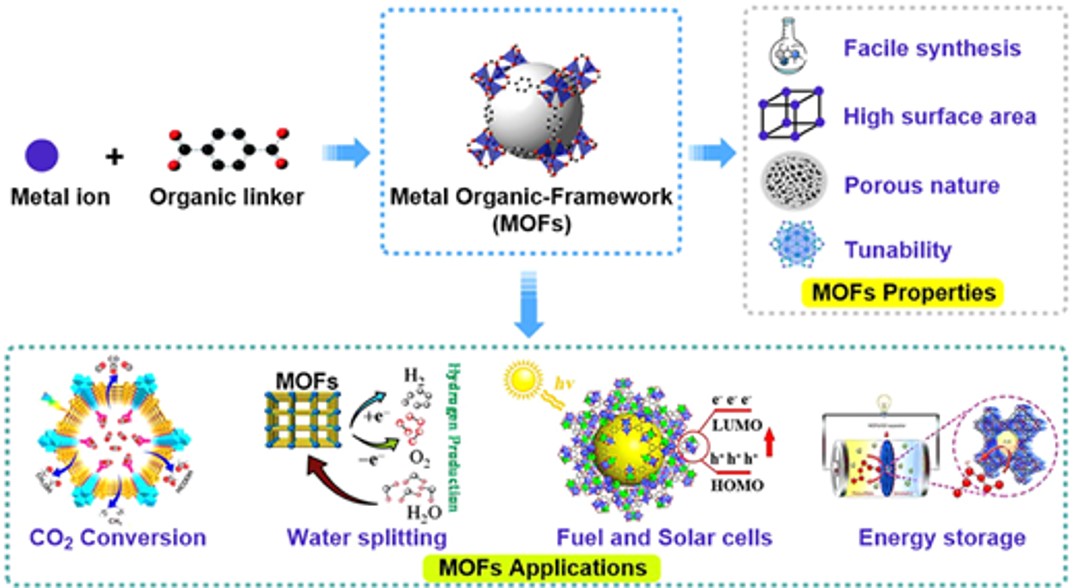
Figure 5: The key features of MOFs and their corresponding applications. Credit: Zulfiqar A. et al. 2025
The Molecular Building Units of MOFs
The unparalleled growth of this field since the 90s is due to its structural versatility that continues to contribute to its state-of-the-art, technical prowess [Zhou H. et al. 2012]. By engineering the target design structures with primary and secondary building units (SBU) akin to molecular Legos, scientists can instill the materials with specific properties and functionalities (Figure 6).
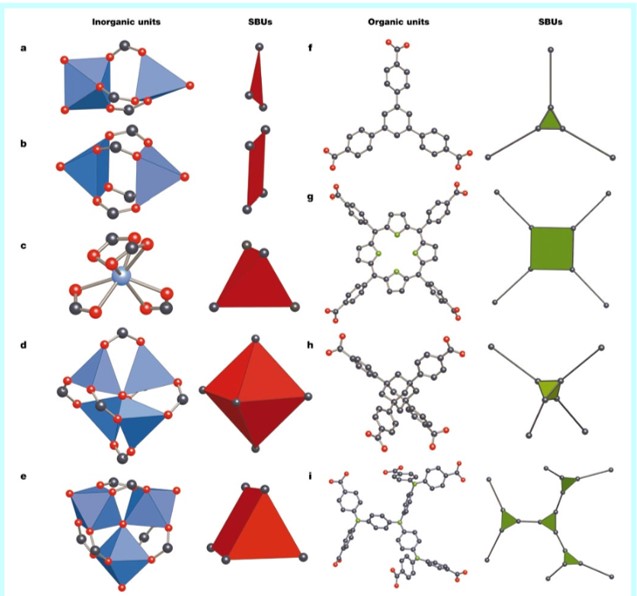
Figure 6: Examples of secondary building units (SBUs), organic, and inorganic units from carboxylate MOFs. Credit: Yaghi O. et al. 2003
The versatility of MOF structures is attributed to its extraordinarily elevated surface areas that extend beyond 6000 m2/g, with tunable pore sizes, and adjustable internal surface properties [Zhou H. et al. 2012]. The features render them viable for gas storage e.g. hydrogen storage, due to its capacity to adsorb and pack the guest molecules in a porous host, by ideally matching its size and orientation [Zhang X. et al. 2023]. Already, MOFs provide a clean and sustainable system for hydrogen or carbon dioxide storage, with scope to surpass existing sources of fuel as a clean energy alternative. The materials are also highly suited as oxygen concentrators for spacecraft oxygen capture in space, and also for medical applications on earth. The constructs remain stable to moisture and resistant to decomposition in space, and is a leading space technology with NASA.
The material can selectively adsorb and separate an extensive list of gases and liquids to influence separation-related applications in the field, while its non-polluting character aims to assist the transition towards clean and greener energy resources [Yaghi O. et al. 2003, Zhang X. et al. 2023]. These traits in association significantly contribute to MOF applications in biomedical imaging, immunotherapy, and biomedical engineering for the adsorption and release of therapeutic drugs.
Bottom-up engineering MOFs
The buildup of metal organic frameworks from fuel to medicine, and to the space industry, are classic examples of “bottom-up engineering” that represent a porous class of materials built from metal ions or oligonuclear metallic complexes and organic ligands, to dictate the unique functionality of the final construct [Raptopoulou C. 2021]. Thus far MOFs show structural compliance to the laws of thermodynamics to ensure the incorporation of specific guest molecules to form inorganic building units, while retaining a highly porous architecture from an entropic viewpoint (Figure 7). MOF crystallization is an equilibrium reaction between dissolved precursors and the solid-state compound crystallized from solution, to develop the highly porous constructs [Stock N. et al. 2013].
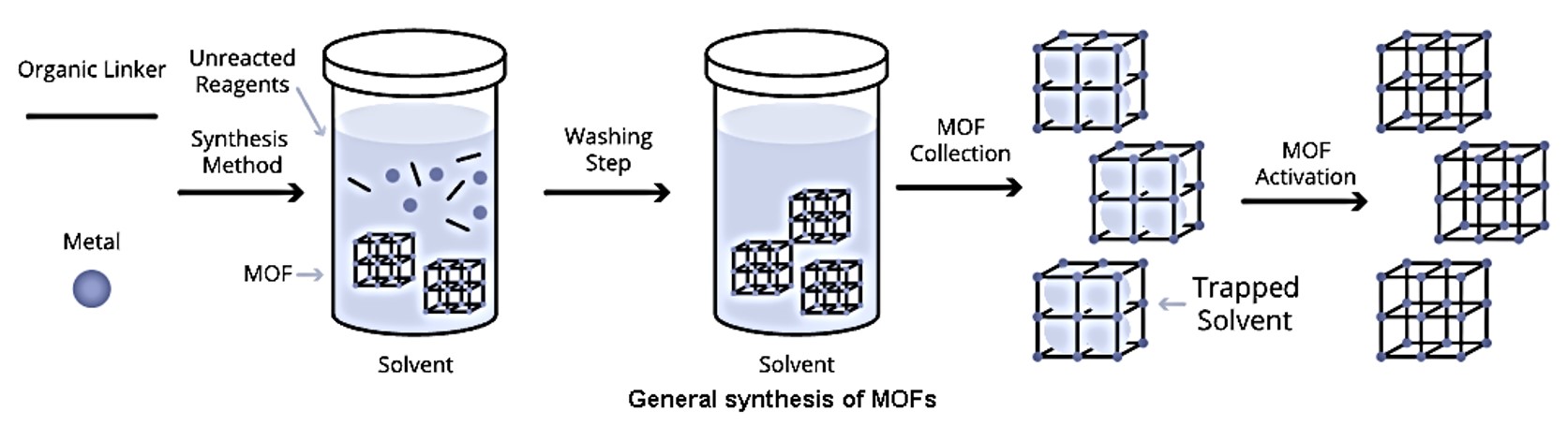
Figure 7: The activation of already synthesized MOFs with unreacted reagents, organic linkers and other solvents. Credit: Ossila
The blueprint - crystal engineering or reticular synthesis
Crystal engineering better known as reticular synthesis (in chemistry) is based on a pre-designed “blueprint” associated logical approach to synthesize new and robust materials to carry-out a specialized function. In general, materials design and discovery approaches via synthetic organic chemistry are based on this process, to synthesize new crystalline solid-state materials, starting from molecular building blocks, to implement a variety of functions [Yaghi O. et al. 2003]. This is primarily the chemical basis of MOF synthesis.
Numerous forerunners of MOFs include first-row transition metals and organic links such as cyanide, glutamate, formate and oxalate as starting molecular building blocks [Okada K. et al. 1966]. Some of these geometrical shapes are defined by secondary building units, with classic examples inclusive of MOF-2 and MOF-5 (Figure 8). These constructs can form octahedral structures joined together with benzene links, to form relatively large entities with exceptional porosity and stability as verified in lab and suited for diverse functionalities.
The process of MOF crystallization is induced by influencing the concentration and temperature of the starting solution in a two-step process; starting with nucleation, where molecules or ions are assembled to form the thermodynamically stable nucleus at the nanoscale [Stock N. et al. 2013]. Subsequent precursors such as inorganic building units, and, or deprotonated organic linker molecules are included to form a supersaturated solution for particle formation starting from a solution to describe the time-dependent growth of a MOF crystal (Figure 9) [Whitehead C. et al. 2019].
Materials characterization
From a materials science viewpoint, the crystallized final products can be characterized via dynamic or static light scattering methods, and in situ energy dispersive x-ray diffraction, to assess phase identification and crystal growth. The crystalline intermediate products are suited for mathematical analysis, to determine their rate constants, and activation energies. The layer-by-layer crystallization process is typically studied using atomic force microscopy (AFM).
While a range of experiments contribute to MOF development, two main approaches define the field. Namely, coordination and inclusion chemistry that applies mild conditions for structural assembly as ‘bottom-up engineering’ [Hou Y. et al. 2024], and reticular chemistry that combines organic/inorganic molecules to the structural framework during the synthetic process [Yaghi O. et al. 2003]. Additional methods include solvothermal synthesis and microwave irradiation to minimize the reaction times of the synthetic process (Figure 9).
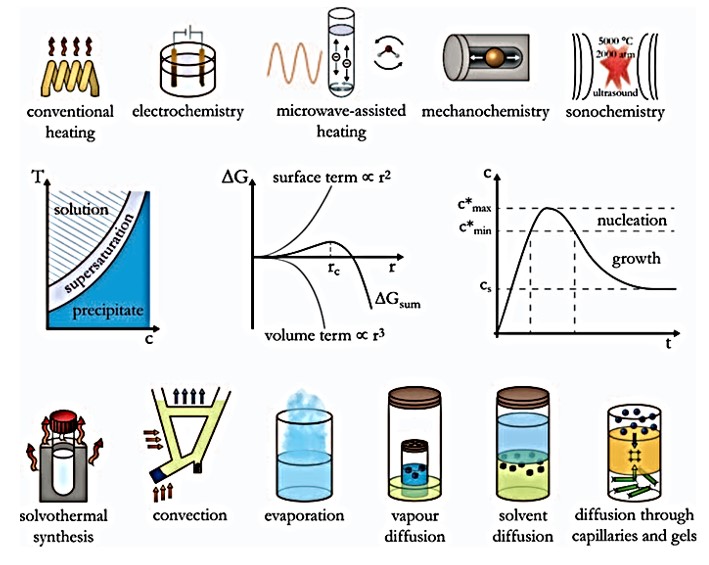
Figure 9: Diverse aspects of crystallization during the synthesis of solid compounds. Credit: Stock N. et al. 2013
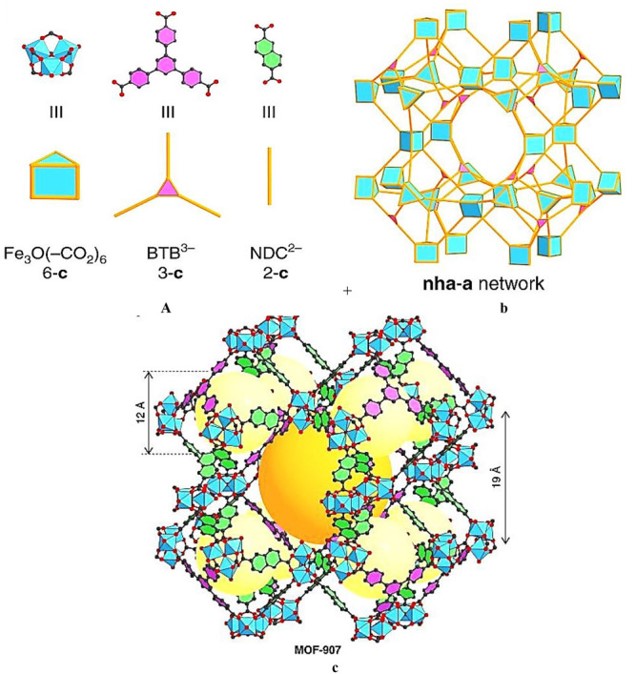
Examples of microwave-assisted radical polymerization systems have seen to the development of a MOF catalyst such as MOF-907 developed in just 30 minutes, in contrast to the conventional and photocatalyzed radical polymerization that takes more than a day in its entirety. The resulting MOF-907 catalyst has functional significance during the fast activation and stabilization of free radicals (Figure 10) [Nguyen H. et al. 2018].
The extensive class of crystalline materials maintain high stability, tunable metrics, organic functionality, and porosity. Unlike traditional synthetic organic methods that poorly correlate between reactants and products, designing an extended framework starting with well-defined and rigid molecular building blocks, to maintain their structural integrity throughout the construction process for logical synthesis is a design feature of reticular chemistry, and that forms the core method of most MOFs [Yaghi O. et al. 2003].
Using MOFs to harvest water from dry air.
To fully appreciate the catalytic and microporous applications of MOFs, such as harvesting water molecules from air and the process of gas capture, it is necessary to understand how its catalytic framework is built. The placement of metal precursors into MOFs is a key criterion to develop a photocatalytic compound, accomplished by a “ship in the bottle” technique [Malekshah R. et al. 2023, Qi Y. et al. 2025, Tu T. et al. 2024]. The chemical “double-solvent impregnation method” can also add active particles inside the pores, while other methods include vapor deposition under vacuum, one-pot synthesis, and solid grinding techniques [Malekshah R. et al. 2023].
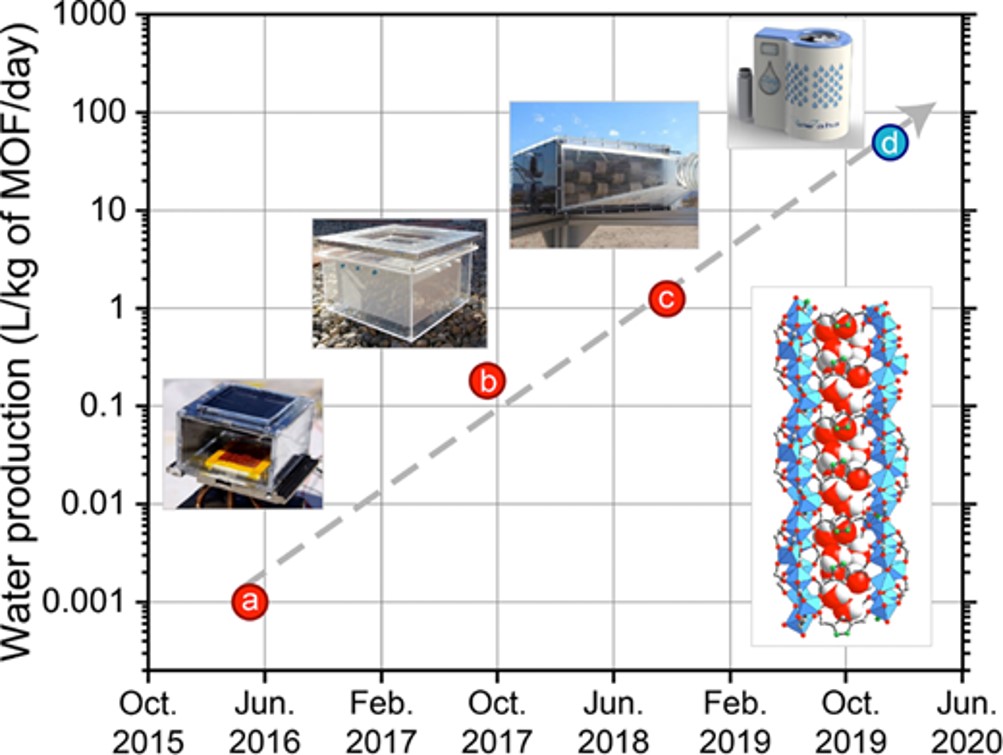
The catalytic activity of MOFs is well-suited to trap water molecules at relatively low humidity levels (approximately 10 percent), with facile uptake and release kinetics [Xu W. and Yaghi O., 2020] to harvest water from thin air, at any time of the year, anywhere in the world. The new devices were tested in-lab and via field trials in the driest deserts, to show how MOFs can capture water molecules from arid environments to deliver up to 1L of water, per kilogram of MOF, per day (Figure 11).
These research outcomes were yet again led by the Yaghi lab, to show how MOFs can assist realize a futuristic vision of “water independence,” by drawing water from anywhere in the world (even the Mojave Desert), at any time of the year, to sustain the citizens of the world.
It is interesting, that at a time when reports increasingly indicate adverse effects of technology, with examples of AI servers relying on ground water for coolants to impose direct threats to groundwater reservoirs. The design of MOFs suggests a sustainable water harvesting strategy from thin air instead. This MOF-based water purification method is comparatively a humanitarian or idealistic technical effort, and a fitting example of how scientific advances were originally viewed to begin with.
Proof-of-concept MOFs to harvest water from thin air
In the proof-of-concept device to harvest water, two plexiglass boxes housed a specific MOF (MOF-801 and MOF-303) made of porous crystalline zirconium or aluminium to achieve the highest levels of water uptake capacity as a first-generation MOF water harvesting device [Xu W. and Yaghi O., 2020]. The material mechanically harvested water from air, without any energy input, aside from ambient sunlight. The device delivered up to 200 to 300 mL of water, per kilogram of MOF per day, at 5-to-40-percent relative humidity, with temperatures exceeding 50 degrees Celsius within the closed device, to form the first construct in the history of humanity to deliver drinkable water generated from direct air (Figure 12). This iteration then underwent further advancements to create several next-generation prototypes, to build a near commercialization product (Figure 11).
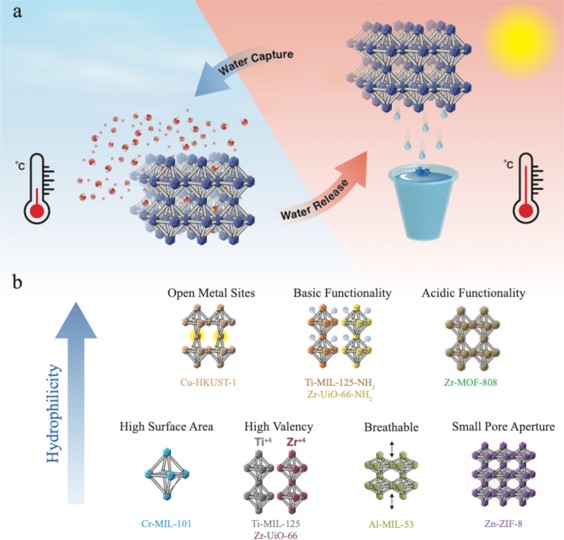
Figure 12: Schematic illustration of the MOFs for water harvesting, a) general framework of the water harvesting mechanism of MOFs, b) diversity and functional versatility of representative MOFs for water capture and release. Credit: Logan M. et al. 2020.
The outcomes of the water-capturing device were highly productive; the harvested water was ultrapure, with no delectable levels of metals, organics, or air impurities, indicating that the MOFs acted as a natural porous filter [Logan M. et al. 2020]. The pores bound water more strongly than any possible air contaminants, such as carbon dioxide or hydrocarbons; highlighting higher water productivity. Furthermore, the proof-of-concept devices that house the microporous MOFs are developed with recyclable materials in hydrophilic and hydrophobic pore environments, to facilitate water capture from desert air as a stable material with capacity to withstand multiple cycles of experiments for long-term use.
Designing 4-D Biomaterials – MOFs in Medicine
The reticular design principles of MOFs have also made themselves indispensable towards the development of unique biomaterials suited for specific applications in biomedicine. These include MOF-based novel biomaterials developed via biomedical engineering to encapsulate and deliver therapeutic agents within a scaffold structure, as a bioactive platform to alleviate symptoms, with specific examples in the tumor microenvironments (Figure 13) [Sezgin P. et al. 2025]. From a bioengineering perspective, the biofunctionalization of a biomaterial in vivo relies on its biocompatibility and time-defined biodegradability within a localized native microenvironment; design principles to which MOFs, ZIFs (Zeolitic Imidazolate Frameworks), and more specifically COFs or covalent organic frameworks adhere to [Bukhari S. et al. 2023]. For simplicity all biomaterials developed as precision medicine carriers are referred to as MOFs in this instance, unless otherwise specified.
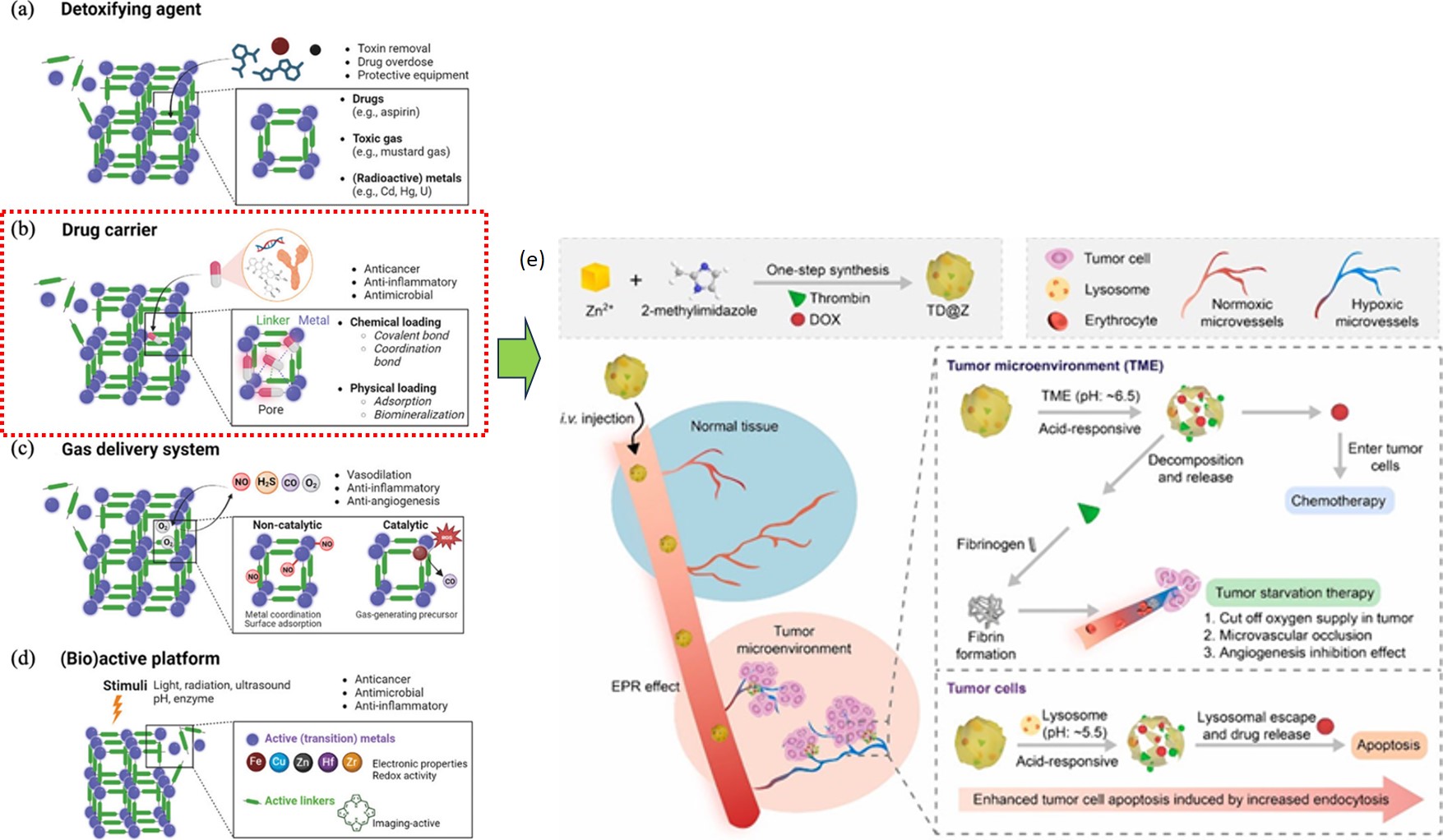
Figure 13: The use of MOFs in industrial and biomedical applications as a) air detoxifying or capturing agents, b) drug carrier systems, c) gas delivery systems, and d) bioactive platforms, e) the synthesis pathway of a cancer treatment MOF designed for tumor starvation therapy in the tumor microenvironment and for chemotherapy effects in tumor cells. Credit: [Sezgin P. et al. 2025].
A pharmacological MOF-based drug carrier can offer a revolutionary landscape for drug delivery due to its tunable physical, chemical and elevated porous microenvironment that is capable of physisorption and chemisorption functionalities [Mandel R. et al. 2024]. These characteristics make them ideal candidates for pharmacotherapeutic drug delivery, designed within a precisely coordinated framework, to release drugs for localized treatment [Keskin S. et al. 2011].
Such design strategies rely on environmental stimuli including pH sensitivity to assist the function of MOFs as stimuli-responsive, advanced four-dimensional biomaterials that are defined by their three-dimensional architecture, and an additional fourth factor of biodegradability based on – time. Incorporating temporal movement to unique biomaterials improve their functional versatility across several dimensions and also contributes to their time-adjusted biodegradability [Sezgin P. et al. 2025]. These MOFs are associated with targeted, on-demand pharmacokinetic drug release, and biodegradation suited for personalized medicine.
The more “Avante-garde” MOF drug capsules such as MIL(Fe) (Materiaux de l’Institut Lavoisier) and ZIFs (Zeolitic Imidazolate Frameworks) are constructed with iron, zinc and even zirconium-based magnetic inclusions to emulate drug delivery platforms that predominantly treat cancers and neurological diseases. These MOFs can hold doxorubicin and 5-fluorouracil within the compounds due to their biocompatibility and low toxicity, to function as pH-sensing drug carriers and constructs that rely on the pH of the medium for timely drug release (Figure 13) [Sezgin P. et al. 2025].
Developing AI to design new MOFs – ChatMOF and MOF databases
The capacity to outsource the identification of potentially novel MOF materials to an AI algorithm can accelerate the invention process in all MOF associated industries. The advent of large language models (LLMs) has seemingly elevated the learning curve and process of discovery as a multidisciplinary tool in the interdisciplinary sciences. This is the case with using LLMs to guide MOF generation with an open AI system that leverages a large-scale language model to form ChatMOF (around GPT-4, etc.) [Kang Y. and Kim J. 2024]. A materials scientist who is interested on developing a new MOF can for example submit text inputs of their expected product, to receive a structured response as with a generic ChatGPT. The ChatMOF app is demarcated by three core components, including an agent, a toolkit and an evaluator (Figure 14).
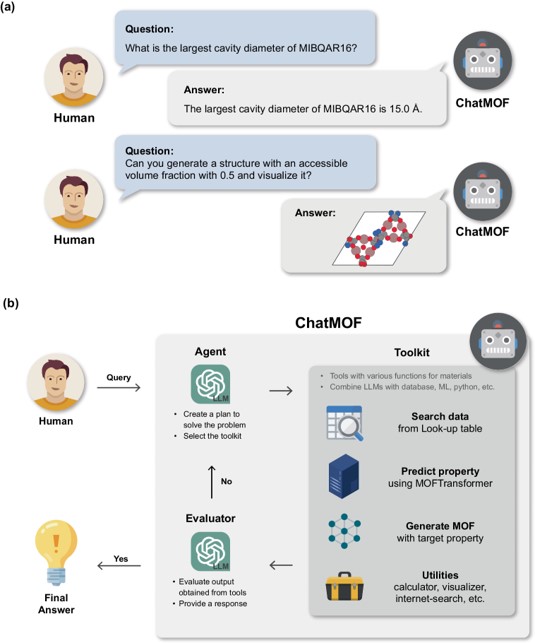
Figure 14: a) A conceptual image of the ChatMOF algorithm. When a user poses a text-based question about the properties of a MOF, the answer is provided by ChatMOF. If a user desires to generate a new MOF, ChatMOF can create a new MOF that satisfies the condition. b) One schematic image of ChatMOF comprises three core components – an agent, toolkit, and an evaluator. When a human sends a query as an input, the LLM agent formulates a plan and selects a suitable toolkit. The toolkit generates outputs following the proposed plan and the evaluator makes these results into a final response. Credit: [Kang Y. and Kim J. 2024]
The capacity of AI to rapidly predict and optimize reaction conditions to suggest new frameworks and map desired properties of materials, have made it indispensable for more refined, and resourceful investigations in chemistry, with cross-disciplinary applications in medicine and bioengineering (Figure 14). This approachability of AI in chemistry has even made the field attractive to those outside the ‘exclusive club of reticular chemistry. Recent examples of the use of large language models that assess a range of possibilities to refine the outcome have seen to the development of 15 new hydroxamate MOFs in six months, as opposed to the earlier developments of a single “difficult to crystallize” MOFs made in five years, with conventional methods.
High throughput computational screening is another method that examines large-scale molecular simulations of MOFs to identify promising material candidates across many variants, to develop quantitative structure-property relationships that link the structural character of materials with their functional properties (Figure 15) [Sezgin P. et al. 2025].
These assessments allow materials scientists and chemists to rapidly identify promising new materials with desirable properties, inclusive of a larger surface area, porosity, and chemical stability suited for multifunctional, cross-disciplinary applications, such as the development of effective anti-tuberculosis drugs. A handful of databases have already been constructed based on experimental and hypothetical materials such as the Cambridge Structural Database MOF dataset, computation-ready experimental (CoRE) MOF dataset, and hypothetical MOF databases.
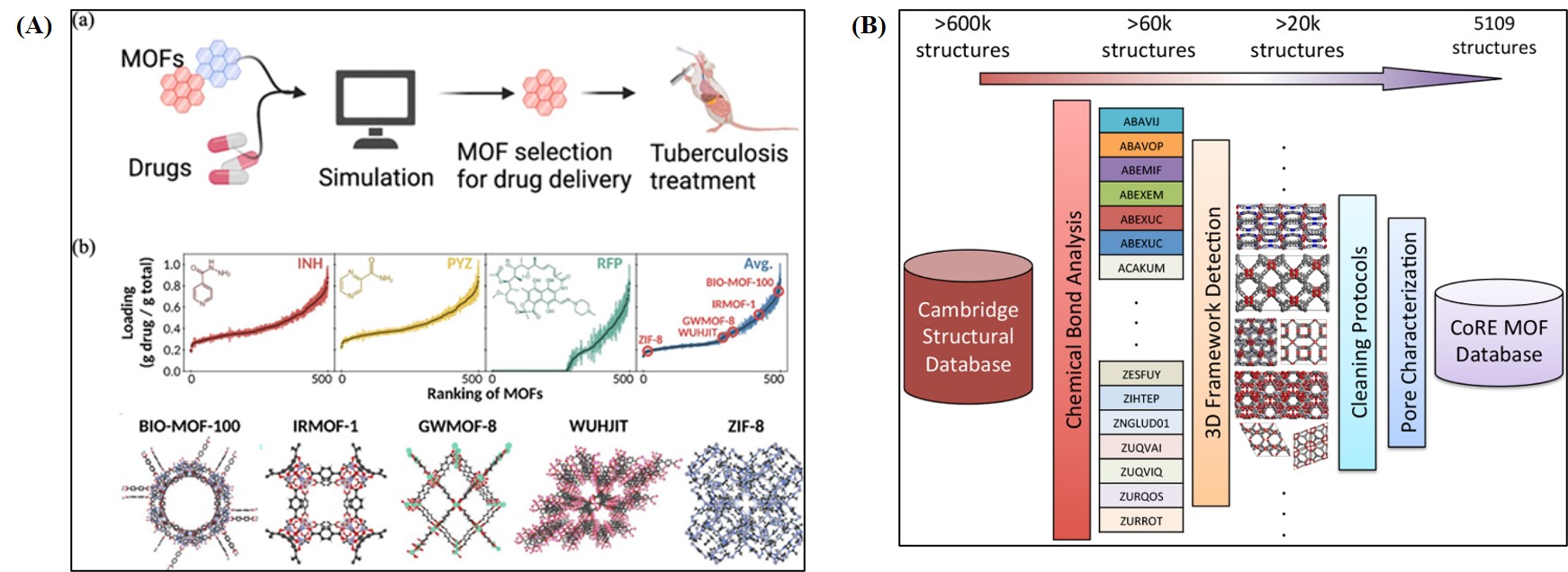
Figure 15: A) The workflow selection of MOFs for antituberculosis drugs. The theoretical drug loading capacity is shown for top 500 MOFs with the structures of five selected MOFs that sequentially display highest loading to medium-to-low loading capacity. B) Schematic illustration of the computation-ready experimental (CoRE) MOF database construction. Credit: [Sezgin P. et al. 2025].
Futuristic MOFs
Future tasks aim to use LLMs to predict and map the properties of new MOFs faster, to find out which of these materials are suited for a specific role (Table 1). Can the generated version of new MOFs capture carbon more efficiently? Can they harvest water at a higher rate? Or is it possible to integrate MOFs to develop a more efficient drug carrier for precision medicine? Bit-by-bit chemists aim to develop a mathematical algorithm to make better predictions than assumptions made at random, to ask and answer if AI can save the planet through meaningful resource generation [Hongjian T. et al. 2026].
For example, will the quest for the discovery of new materials assist assess global challenges such as climate change, faster?
- How do we develop more greener building units?
- How do we create a greener source of fuel?
- How do we create more sustainable futures that reduce greenhouse gas emissions via carbon capture technologies, to rapidly stabilize the Earth’s rising temperature?
- How do we promote renewable energy adoption for long-term climate benefits and minimize waste?
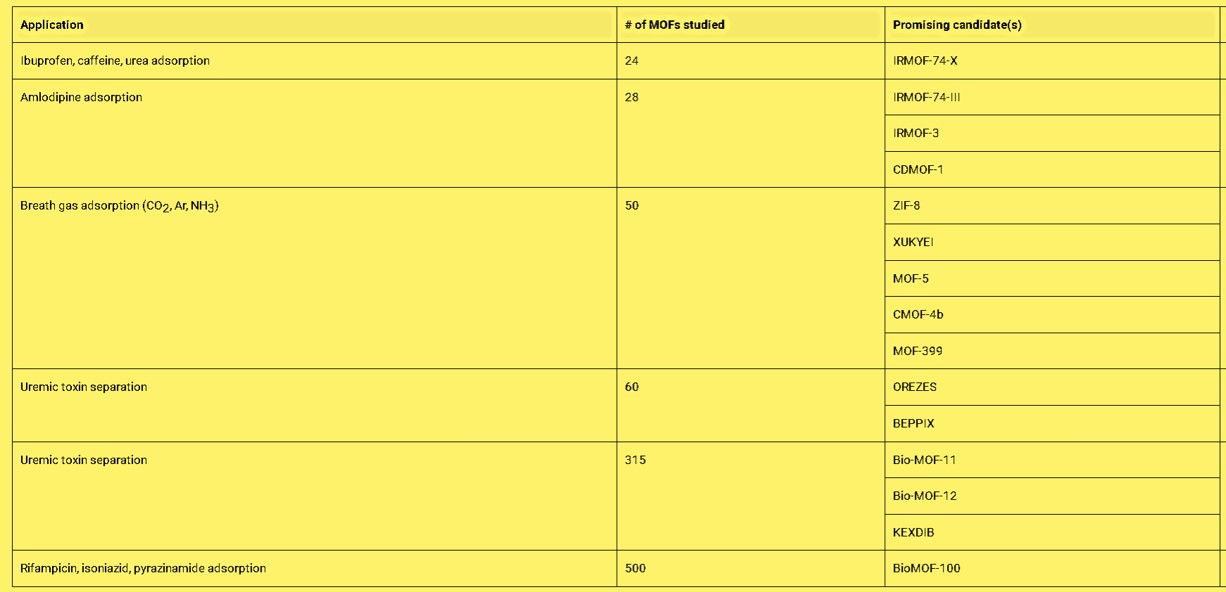
Table 1: High-Throughput Computational Studies on MOFs for drug adsorption, drug diffusion, and uremic toxin separation applications (Zoom in to view). Credit: [Sezgin P. et al. 2025].
Wrap-up: MOFs, COFs, ZIFs, and molecular weaving
To recap (an admittedly lengthy article), I revisit Omar Yaghi’s Lab (where it all started for most parts) and summarize the take-home points of MOFs; metal organic frameworks, COFs; covalent organic frameworks, ZIFs; zeolitic imidazolate frameworks, and molecular weaving, to emphasize the versatility of this niche field of chemical engineering [Fajal S. et al. 2026].
The central premise of MOFs is reticular and inclusion chemistry that highlights structures of the highest symmetry as most likely to result from linking simple and symmetric building units, via bottom-up engineering [Nguyen H. et al. 2018]. Whilst a simple MOF structure relies on interlinking of multi-metallic units and one kind of organic linker. The more complex MOFs extend beyond the binary building units [Furukawa H. et al. 2010]. MOFs of varying levels of complexity have thus far shown promise across biomedical engineering, catalysis, as drug carriers, gas delivery systems, detoxifying agents, water-capturing devices, and bioactive platforms (Figure 16) [Xu W. and Yaghi O., 2020, Sezgin P. et al. 2025].
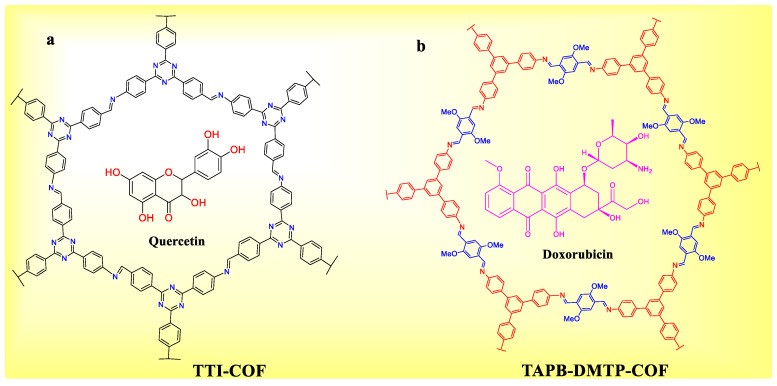
Figure 16: COFs designed as intracellular drug carriers to circulate the antioxidant quercetin and the anti-cancer drug doxorubicin intracellularly for precision medicine. Credit: [Vyas V. et al. 2016]
COFs on the other hand are covalent organic frameworks synthesized from organic monomers as porous crystalline polymers, to form 2-D and 3-D structures with higher stability when compared to most MOFs, and with broader applications in biomaterials development [Bukhari S. et al. 2023]. Yaghi and colleagues are credited with creating the first imine-based COF in 2009 [Uribe-Romo F. et al. 2009], while the first catalytic functions of COFs were performed in 2011 [Ding S. et al. 2011], and their use for carbon capture were first published in 2008 [Furukawa H. et al. 2007].
The structural integrity of COFs depends on dynamic covalent chemistry and on the process of stitching organic building blocks together with higher thermal stabilities. The materials are increasingly incorporated for molecular chemotherapy to function as intracellular drug carriers for efforts in precision medicine (Figure 16) [Vyas V. et al. 2016].
While ZIFs share similarities with MOFS on account of being a metal organic framework themselves with niche applications in the food industry and as drug carriers in biomedical engineering [Fajal S. et al. 2026]. Molecular weaving offers a cutting-edge technology in materials chemistry by mimicking the traditional macroscopic textile weaving process, at the nanoscale [Zhang Z. et al. 2022]. This field shifted from a theory to reality, when the Yaghi research group synthesized the first three-dimensional molecularly woven covalent organic framework via reticular chemistry in 2016 [Liu Y. et al. 2016]. Continued efforts of molecular weaving have led to generating mechanically enhanced composites with increased elasticity (Figure 17) [Neumann S. et al. 2024]. These materials are fast emerging as up-cyclable and eco-friendly alternatives to petroleum-based plastics.
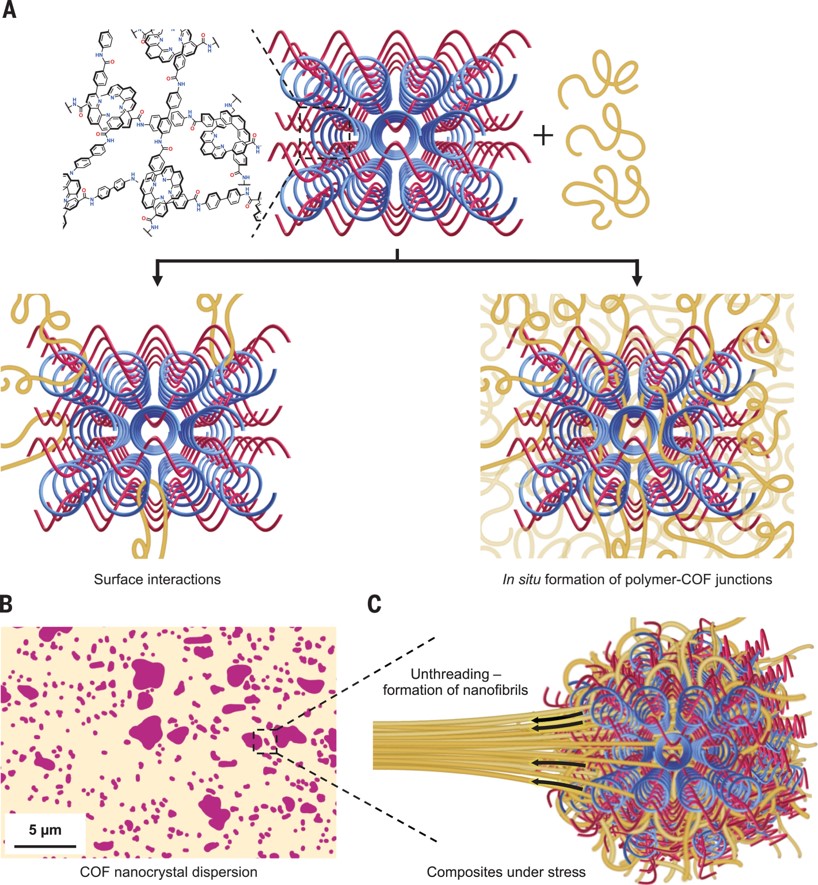
Figure 17: Developing polymer composites that are stronger, tougher, and more resistant to fracture by threading polymer strands through the woven network. Schematic illustration of the COF structure, polymers, and nanofibrils. (A) Polymer-COF interactions. Depending on the polymer, its matrix may either interface only with the surface of the woven COF particles or form so-called polymer-COF junctions. In these junctions, individual polymer chains penetrate the porous, 3D woven COF crystals and decorate the surface to interact with the polymer matrix. (B) COF nanocrystals distributed nanoscopically without any necessary surface modification to enhance compatibility. (C) Polymer-COF composites under stress. The polymer chains spatially align and unthread from the COF crystals, thereby generating a favorable pathway for energy dissipation and forming nanofibrils. Credit: [Neumann S. et al. 2024]
In this way, reticular chemistry and inclusion chemistry intersect during the design of MOFs, COFs, ZIFs, and during molecular weaving, to create unique and unconventional materials that host guest molecules in their periodic cavities. These unique materials and their architectures hold promising futuristic applications to facilitate a clean, green, and more resourceful earth [Fajal S. et al. 2026] (Figure 18).
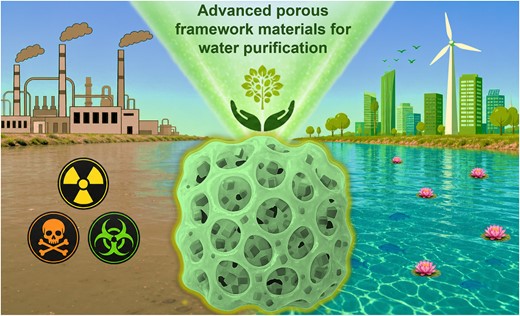
Figure 18: A schematic representation of an advanced earth with advanced porous framework materials that contribute to water purification, sustainable water-remediation, and beyond. Credit: Fajal S. et al. 2026
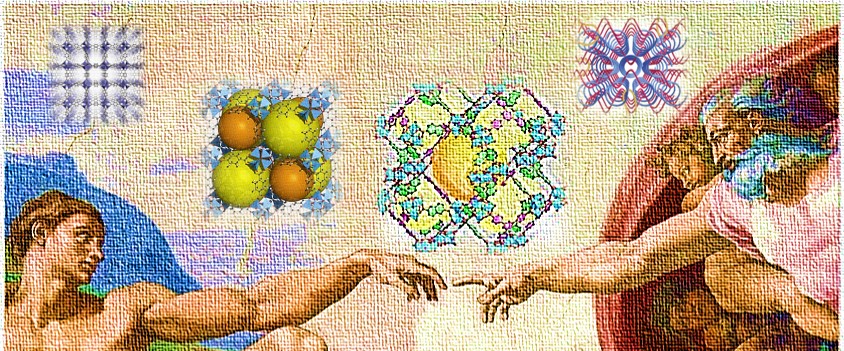
Header Image: The artistic re-interpretation of the creation of MOFs as a transfer of an idea, in which the author juxtaposed Michaelangelo’s “Creation of Adam” with a variety of MOFs, COFs, and molecular weaving, for an "aesthetically pleasing" schematic art.
References:
- Li H. et al. Design and synthesis of an exceptionally stable and highly porous metal-organic framework, Nature, 1999
- Hailian L. et al. Establishing Microporosity in Open Metal−Organic Frameworks: Gas Sorption Isotherms for Zn(BDC) (BDC = 1,4-Benzenedicarboxylate), Journal of the American Chemical Society,1998
- Xamena F. and Gascon J. Metal Organic Frameworks as Heterogeneous Catalysts, Xamena F. and Gascon J., Royal Society of Chemistry, 2013
- Wu D. and Navrostsky A., Thermodynamics of metal-organic frameworks, Journal of Solid State Chemistry, 2015
- Yao Y. et al. Hierarchically Porous Metal–Organic Frameworks: Synthetic Strategies and Applications, Small Structures, 2022
- Barnett J. et al. Spontaneous drying of non-polar deep-cavity cavitand pockets in aqueous solution, Nature Chemistry, 2020
- Sezgin P. et al. Biomedical Applications of Metal–Organic Frameworks Revisited, American Chemical Society Publications, 2025
- Lin R. et al. Microporous Metal-Organic Framework Materials for Gas Separation, CellPress. 2020
- Stock N. et al. Chapter 2: Synthesis of MOFs, Royal Society of Chemistry, 2013
- Zhou H. et al. Introduction to Metal–Organic Frameworks, Chemical Reviews, 2012
- Yaghi O. et al. Reticular synthesis and the design of new materials, Nature, 2003
- Zhang X. et al. The application of MOFs for hydrogen storage, Inorganica Chemica Acta, 2023
- Raptopoulou C. Metal-Organic Frameworks: Synthetic Methods and Potential Applications, Materials (Basel), 2021
- Okada K. et al. Crystal Structure by Neutron Diffraction and the Antiferroelectric Phase Transition in Copper Formate Tetrahydrate, Journal of Chemical Physics,1966
- Whitehead C. et al. LaMer’s 1950 Model for Particle Formation of Instantaneous Nucleation and Diffusion-Controlled Growth: A Historical Look at the Model’s Origins, Assumptions, Equations, and Underlying Sulfur Sol Formation Kinetics Data, Chemistry of Materials, 2019
- Hou Y. et al. Building robust metal-organic frameworks with premade ligands, Coordination Chemistry Reviews, 2024
- Nguyen H. et al. A complex metal-organic framework catalyst for microwave-assisted radical polymerization, Communications Chemistry, 2018
- Malekshah R. et al. MOFs as Versatile Catalysts: Synthesis Strategies and Applications in Value-Added Compound Production, ACS Omega, 2023
- Qi Y. et al. Metal–Organic Framework–Derived “Ship-in-Bottle” Method: Heterogeneous Yolk@Shell Metal Oxides for Heterogeneous Sensing, ACS Nano, 2025
- Tu T. et al. “Ship-in-a-bottle” entrapment of biomolecules in MOF-based xerogel monoliths for high-performance electrochemical hydrogen evolution, Journal of Materials Chemistry A, 2024
- Hongjian T. et al. High-throughput computational screening of MOFs for gas adsorption and separation, National University of Singapore, 2026
- Xu W. and Yaghi O., Metal–Organic Frameworks for Water Harvesting from Air, Anywhere, Anytime, ACS Central Science, 2020
- Logan M. et al. Reversible Atmospheric Water Harvesting Using Metal-Organic Frameworks, Scientific Reports, 2020
- Mandel R. et al. Gas Delivery Relevant to Human Health using Porous Materials, Chemistry-A European Journal, 2024
- Keskin S. et al. Biomedical Applications of Metal Organic Frameworks, Industry and Engineering Chemistry Research, 2011
- Kang Y. and Kim J. ChatMOF: an artificial intelligence system for predicting and generating metal-organic frameworks using large language models, 2024
- Fajal S. et al. MOFs, COFs and other porous framework materials for water purification, Chemical Society Reviews, 2026
- Furukawa H. et al. Ultrahigh Porosity in Metal-Organic Frameworks, Science, 2010
- Bukhari S. et al. Covalent Organic Frameworks (COFs) as Multi-Target Multifunctional Frameworks, Polymers (Basel) 2023
- Uribe-Romo F. et al. Crystalline covalent organic frameworks with hydrazone linkages, Journal of the American Chemical Society, 2009
- Ding S. et al. Construction of covalent organic framework for catalysis: Pd/COF-LZU1 in Suzuki-Miyaura coupling reaction, Journal of the American Chemical Society, 2011
- Furukawa H. et al. Independent verification of the saturation hydrogen uptake in MOF-177 and establishment of a benchmark for hydrogen adsorption in metal–organic frameworks, Journal of Materials Chemistry, 2007
- Vyas V. et al. Exploiting Noncovalent Interactions in an Imine-Based Covalent Organic Framework for Quercetin Delivery, Advanced Materials, 2016
- Zhang Z. et al. Molecular weaving, Nature Materials, 2022
- Liu Y. et al. Weaving of organic threads into a crystalline covalent organic framework, Science, 2016
- Neumann S. et al. The propensity for covalent organic frameworks to template polymer entanglement, Science, 2024

I am an interdisciplinary researcher with a strong commitment to bioengineering, biochemistry, organ-chips and molecular biology. As well as biomechanics and biomineralization in the broader context of medicine. I completed my PhD at the University of Sydney Australia in December 2016, and travel often, find me on Twitter and irl.