Microplastic exposure reduces productivity in freshwater integrated multi-trophic aquaculture systems

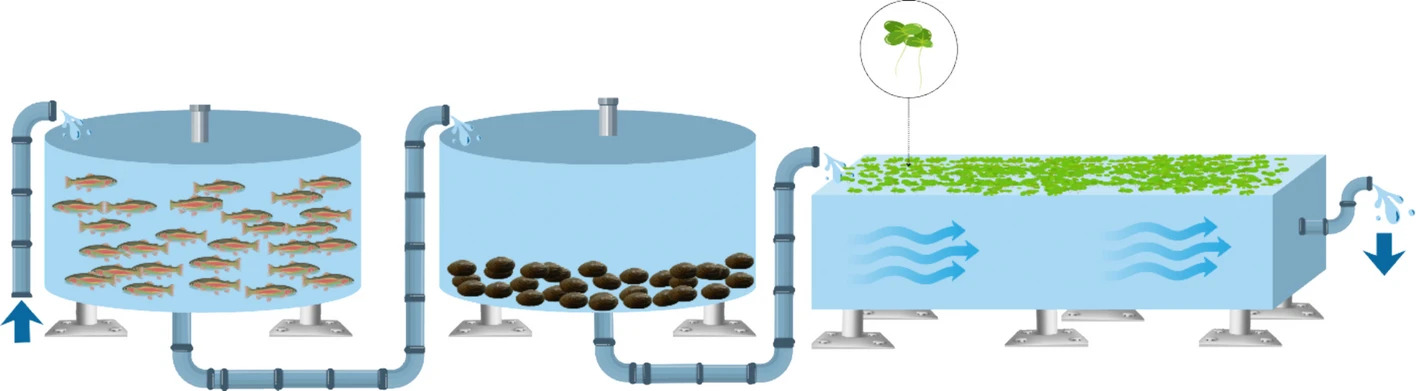
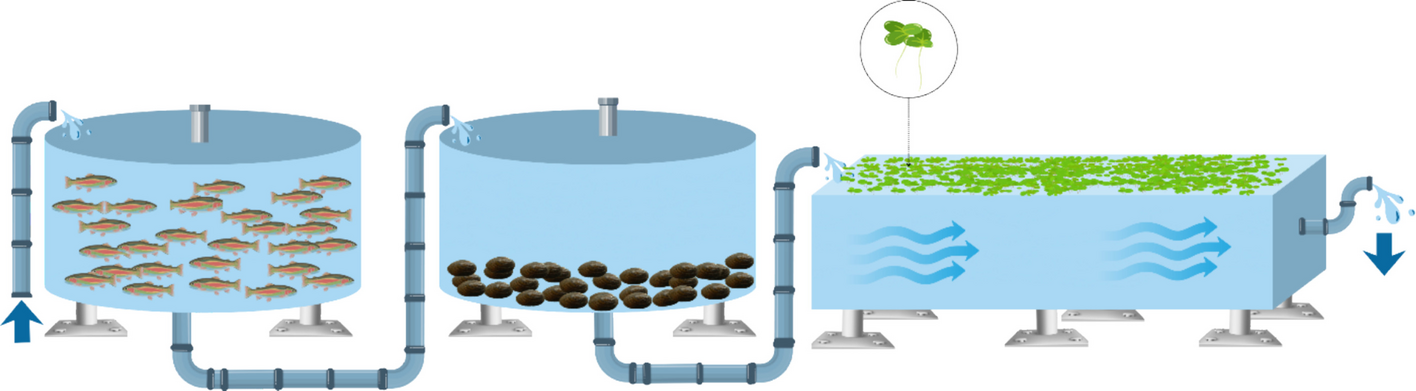
This study investigates how feed-borne and water-borne polyethylene microplastics affect biomass production and functional performance in a freshwater integrated multi-trophic aquaculture (IMTA) system including rainbow trout, freshwater mussels, and duckweed.
Microplastic exposure reduces productivity in freshwater integrated multi-trophic aquaculture systems

Share this post

Choose a social network to share with, or copy the URL to share elsewhere

This is a representation of how your post may appear on social media. The actual post will vary between social networks

Explore the Research

SpringerLink
SpringerLink SpringerLink

Microplastic exposure reduces multi-trophic biomass yield in a freshwater integrated aquaculture system - Aquaculture International

Freshwater integrated multi-trophic aquaculture (IMTA) systems are increasingly used to enhance nutrient utilization efficiency; however, their performance under microplastic (MP) exposure remains poorly characterized. This study evaluated the effects of water-borne and feed-borne polyethylene (PE) MP (10–20 µm) on biomass production and filtration performance in a three-compartment freshwater IMTA system comprising rainbow trout (Oncorhynchus mykiss), freshwater mussels (Unionidae), and duckweed (Lemna minor). Fluorescent spherical MPs were applied in four treatments (n = 3 tanks per treatment): control (no MPs), feed-borne MPs (5 particles per 100 g feed), water-borne MPs (35 particles L⁻1 at fish-tank inflow), and combined exposure. The exposure phase lasted 45 days with 15-day sampling intervals, followed by a 45-day depuration phase. Fish growth responses differed modestly among treatments during exposure, with transient reductions observed in MP-exposed groups relative to the control at intermediate sampling points. Mussel filtration capacity showed limited variation among treatments, with no consistent treatment-specific suppression across time. Duckweed biomass accumulation was lower under combined exposure compared with the control, whereas variability was higher in MP treatments during early growth stages. An integrated multi-trophic performance index calculated from terminal measurements indicated moderate reductions in overall system productivity under combined exposure relative to the control. During depuration, growth trajectories across treatments converged. These results indicate that elevated microplastic exposure can influence biomass distribution and productivity within freshwater IMTA systems, particularly under combined exposure scenarios.

Freshwater IMTA systems are increasingly promoted as sustainable aquaculture models because they improve nutrient recycling and support biomass production across multiple trophic levels. However, the consequences of microplastic contamination for the overall productivity of such systems remain insufficiently understood.

In this study, we experimentally evaluated the effects of polyethylene microplastic exposure delivered through feed, water, and combined pathways in a freshwater IMTA system composed of rainbow trout (Oncorhynchus mykiss), freshwater mussels (Unionidae), and duckweed (Lemna minor). The exposure phase lasted 45 days and was followed by a 45-day depuration period.

The results showed that microplastic exposure generated measurable but route-dependent effects across trophic compartments. Fish growth responses were modest overall, although transient reductions in average daily gain and feed efficiency were observed in exposed groups during the exposure phase. Freshwater mussels showed lower per-capita filtration performance under combined exposure, while duckweed biomass production was reduced most clearly in the combined treatment. When these responses were integrated at the system level, the combined feed- and water-borne exposure produced the greatest reduction in overall IMTA productivity.

These findings suggest that microplastic contamination may alter biomass distribution and functional performance in freshwater integrated aquaculture systems, especially when multiple exposure routes occur simultaneously. The study contributes to a better understanding of how emerging contaminants influence sustainable aquaculture design, trophic interactions, and system resilience.

Follow the Topic

Aquaculture
Life Sciences > Biological Sciences > Ecology > Ecosystems > Marine Biology > Aquaculture
Agriculture
Life Sciences > Biological Sciences > Agriculture
Pollution Remediation
Life Sciences > Biological Sciences > Ecology > Environmental Chemistry > Pollution Remediation
SDG 14: Life Below Water
Research Communities > Community > Sustainability > UN Sustainable Development Goals (SDG) > SDG 14: Life Below Water