Navigating Graduate Admissions in the USA ~ Seven Essential Lessons for First-Generation Scholars
Published in Education

1. Don't Reject Yourself Before You Apply
One of the biggest mistakes first-generation applicants make is prematurely eliminating themselves from consideration. Many assume they will not be admitted due to imperfect GPAs, English proficiency scores, or a lack of prestigious research experience. However, admissions committees evaluate applicants holistically, considering leadership, community engagement, and program fit. Instead of asking, "What if I get rejected?" ask, "What if I get accepted?"
Self-Elimination is a primary barrier. You lose every opportunity you never pursue.
2. Tell a Coherent Story Instead of Listing Achievements
Rather than merely listing awards and internships, strong applicants own and share their unique career trajectories. You must construct a coherent narrative that addresses what intellectual problems motivate you, why graduate training is the next step, and why a specific program aligns with your goals.
a. Highlight your background: First-generation experiences—like navigating unfamiliar systems and overcoming structural barriers—build the adaptability and resilience needed for graduate success.
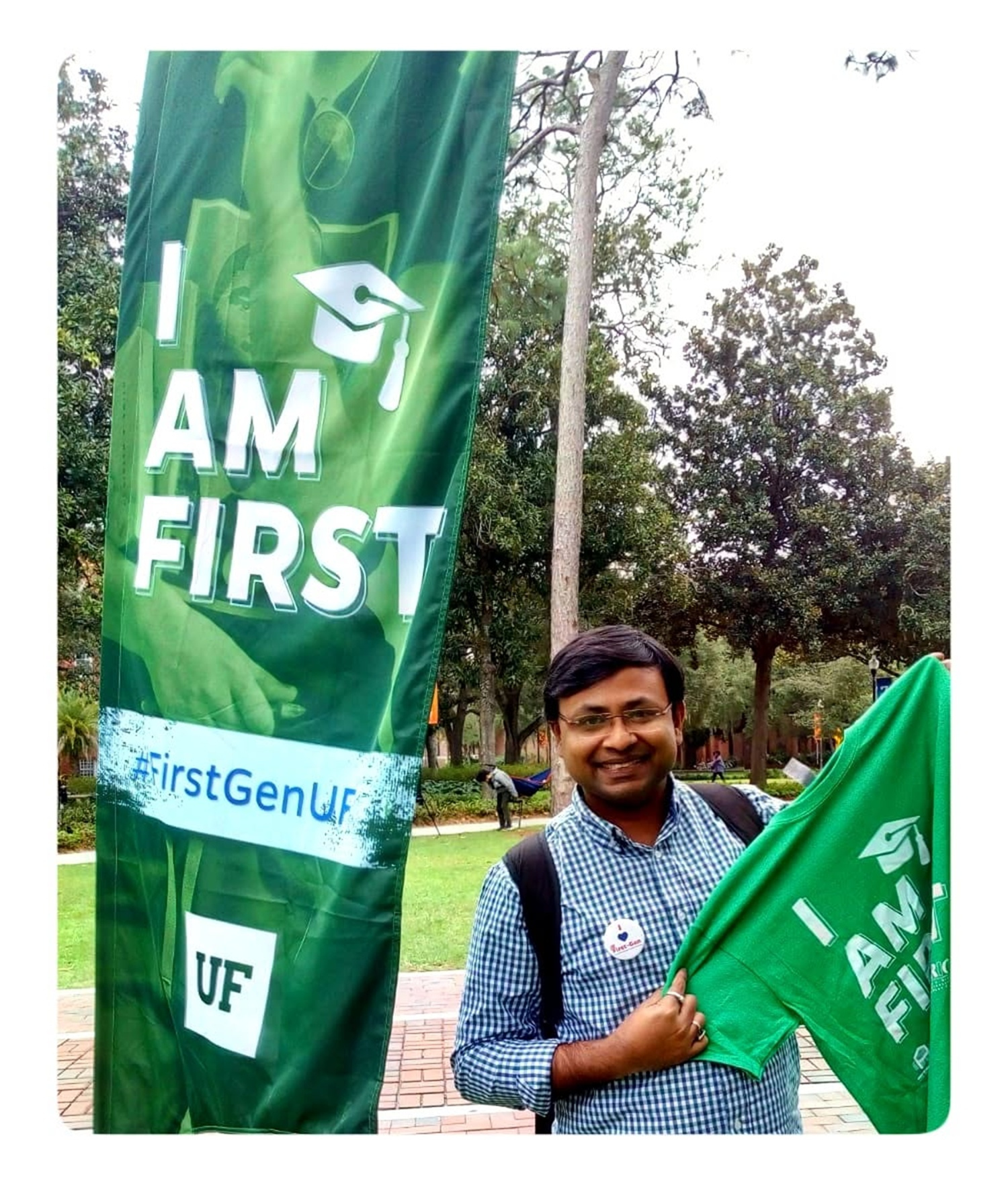
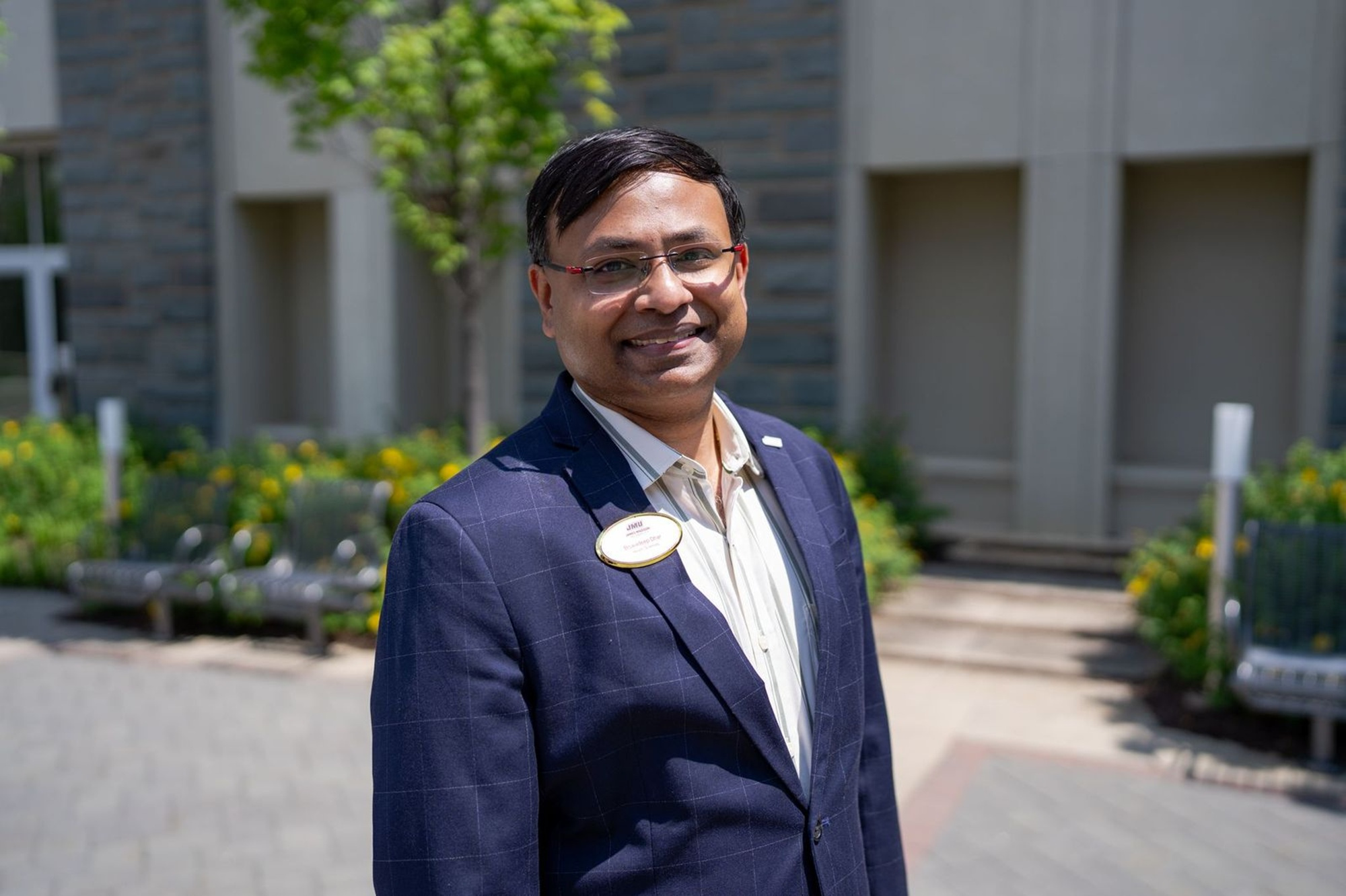
Dr. Dhar was spotlighted as a #firstgen student during his doctoral studies at the University of Florida, Gainesville, Florida, USA
b. Be specific: Explain exactly why a university appeals to you (e.g., access to specific populations or geographic locations for research), rather than just citing its top ranking.
c. Stay genuine: Authenticity is far more memorable than trying to sound impressive.
Narrative Coherence Supersedes Achievement Enumeration
3. Prioritize Mentorship Over Reputation
Students often focus exclusively on a professor's publication record or funding. While these matters, the quality of mentorship is much more critical to your success. A renowned researcher is not automatically a great mentor. Before applying, investigate the department's culture:
- Do students graduate on time?
- Where do former trainees work now?
- How does the mentor support students during setbacks?
Choose mentors who are invested in developing scholars, not just in producing publications.
4. Make Funding a Core Selection Criterion
Financial stability dramatically influences your graduate experience, allowing you to focus on research rather than financial stress. Please don't wait until you are admitted to think about funding.
a. Investigate assistantships, institutional fellowships, and external scholarships such as the Fullbright U.S. Student Program
b. Consider health insurance coverage and the cost of living in different locations.
Remember, the most prestigious offer is not always the best one if it lacks adequate financial support.
5. Intentionally Build Your Network
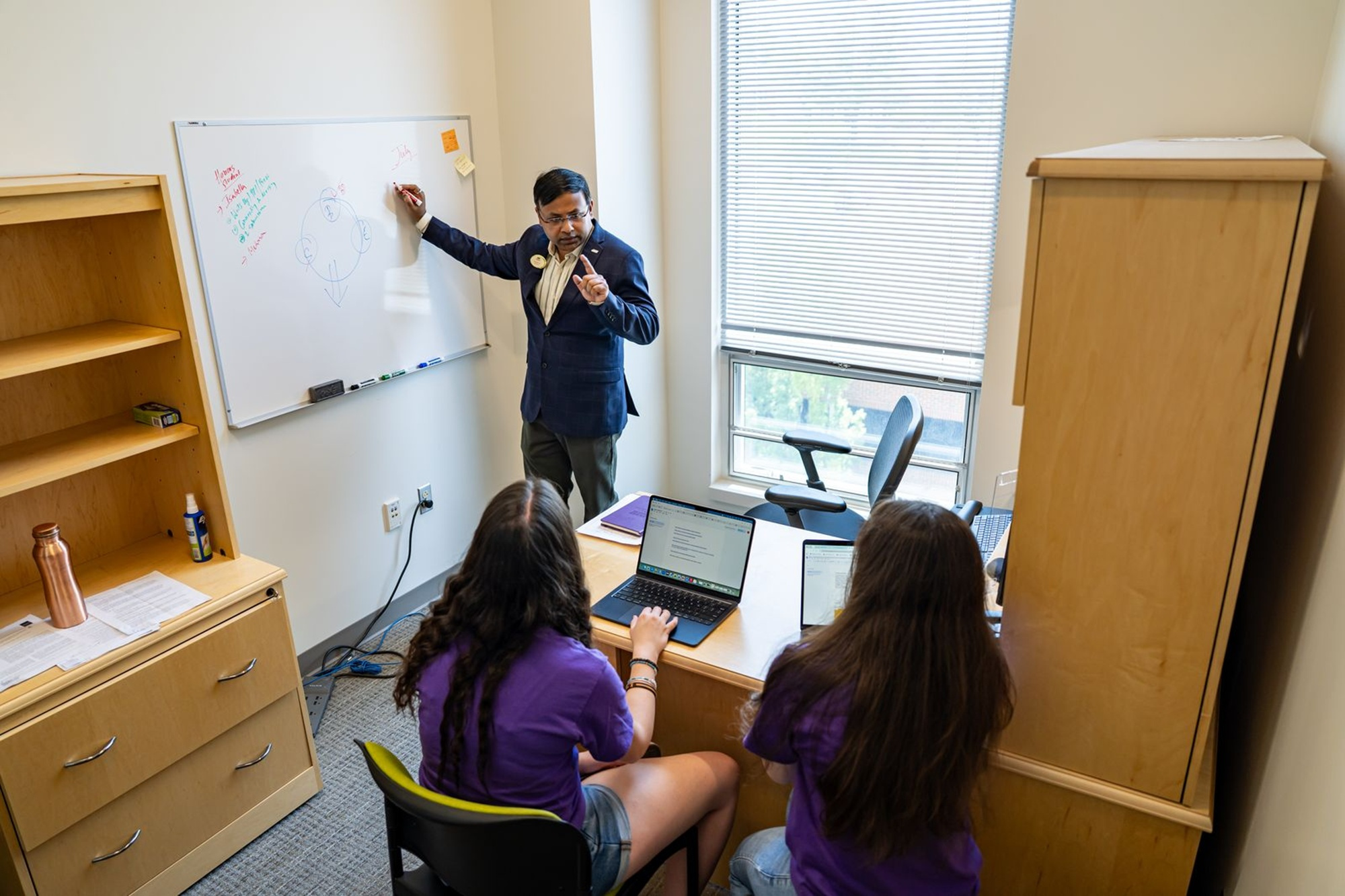
First-generation students often mistakenly view academic success as a purely individual accomplishment. Success is also relational; you need people, relationships, and institutions that can provide knowledge, opportunities, mentorship, and resources.
a. Build "bridging" social capital by forming relationships across diverse groups. These connections can expose you to perspectives, information, and opportunities beyond your immediate network.
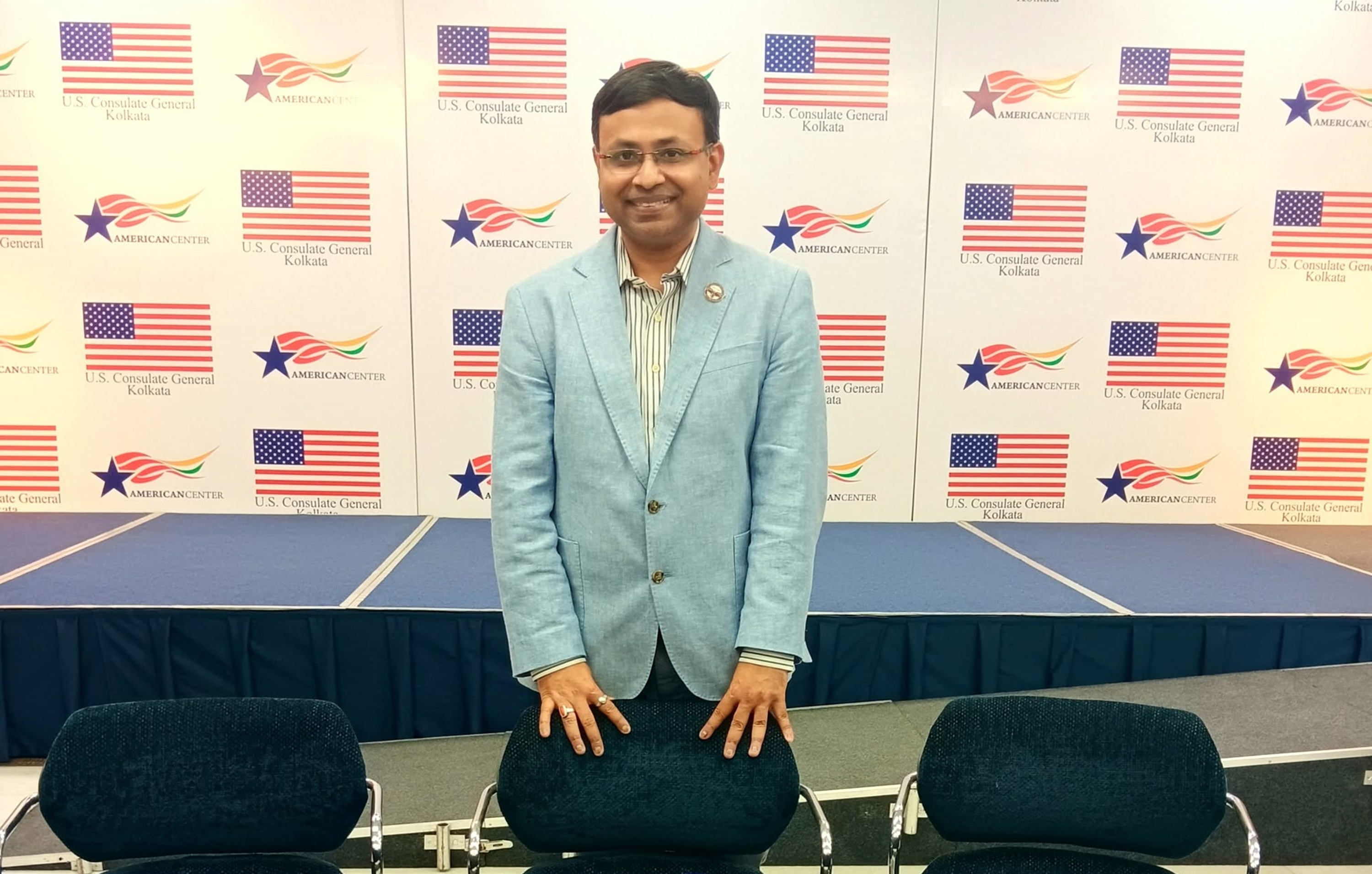
Dr. Dhar (representing a U.S. university as a faculty member) at the U.S. Consulate General in Kolkata, India.
b. Build "linking" social capital by connecting with individuals and institutions that provide resource access.
Connect with faculty beyond your advisor, develop peer mentorships, and engage with professional organizations. This requires intentional cultivation, as these relationships offer emotional support, professional opportunities, and insider knowledge.
6. Stop Comparing Your Beginning to Someone Else's Middle. Graduate programs concentrate talented individuals in one place, making comparisons inevitable and often triggering imposter syndrome.
a. Recalibrate success: Having perfect grades does not automatically equate to being a top researcher.
b. Measure personal growth: Compare your current self only to who you were six months ago.
c. Normalize failure: Treat setbacks as data-gathering steps rather than personal shortcomings and openly discuss them with trusted peers and mentors.
Comparative self-assessment may undermine development, as you need to understand when to draw the line. You cannot simply compare soccer with American football.
7. Recognize Your Background as a Distinct Scholarly Asset
Do not view your first-generation background as a disadvantage. It cultivates unique perspectives and capabilities:
a. Perspective: Know your short- and long-term goals and keep them realistic for your degree timeline.
b. Resilience: Learn from experiences and do not quit after a first failure; changing supervisors, for example, is a common reality.
c. Collaboration and Global Science: Use your real-world experiences to highlight your strengths in global collaboration, tackling real-world issues, and promoting inclusivity.
Understanding how to work with the right people and at the right time. A good fit is the key to success! You may also want to share how your cultural diversity serves as an asset to inclusivity.
Conclusion
First-generation scholars often have different preparations than continuing-generation peers. While this can present disadvantages, it also brings essential qualities that science needs: resilience, wisdom, adaptability, and curiosity. Graduate school is not about having all the answers from day one; it is about demonstrating a readiness to learn and grow. Your path doesn't need to be perfect—it just needs to be authentic and purposeful.
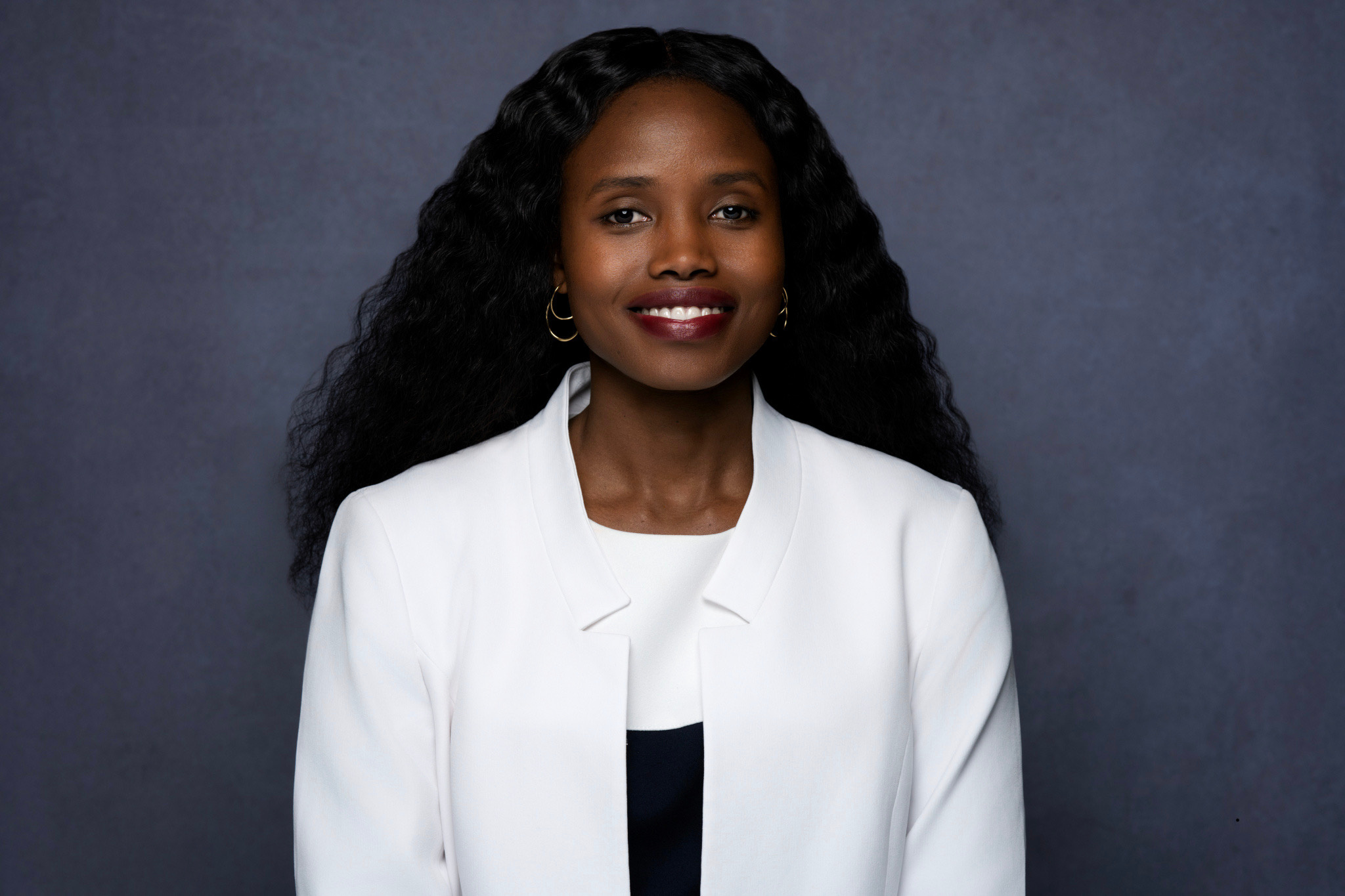
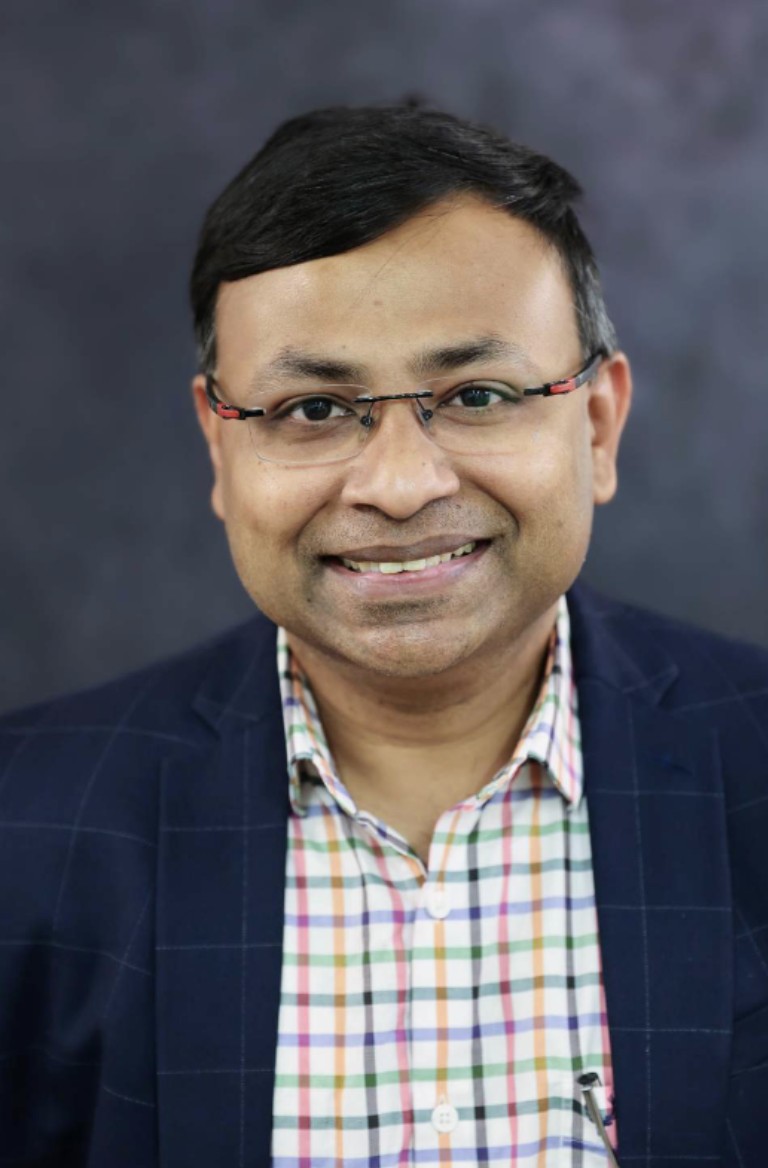
Authors: Dr. Joyline Chepkorir & Dr. Biswadeep Dhar