New insights on lake sediment DNA from the catchment: importance of taphonomic and analytical issues on the record quality
Published in Ecology & Evolution


Lake sediments are a fascinating archive. Lakes trap everything that is produced within the water column as well as particles produced within or even beyond the catchment (e.g. pollen, atmospheric pollution). Even more incredible, they can trap and preserve DNA fragments from aquatic and terrestrial organisms (e.g. diatoms, zooplankton, cyanobacteria, fish, plants, mammals, worms, fungi,…). We aim to ask, how does this remarkable process function?
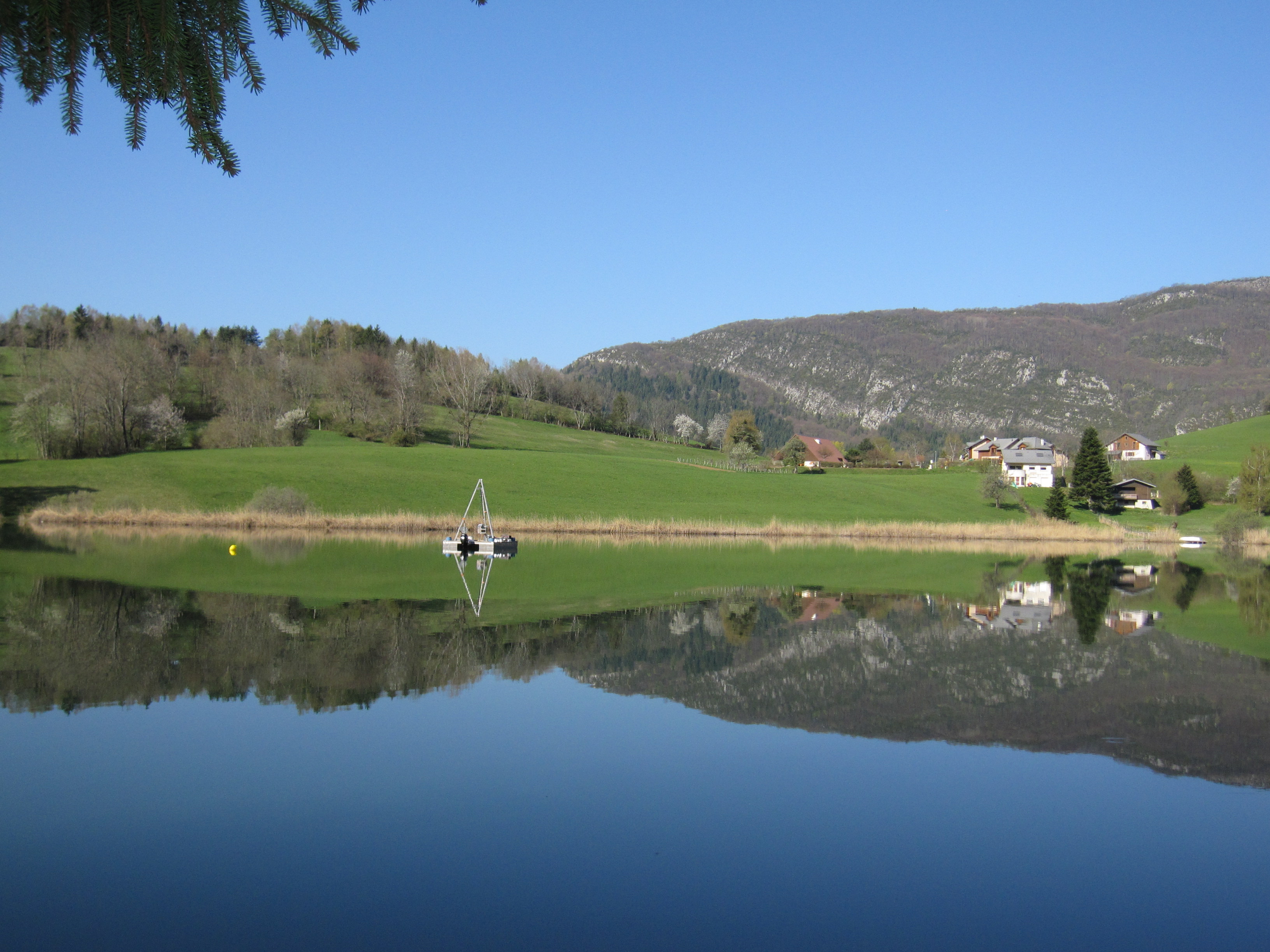
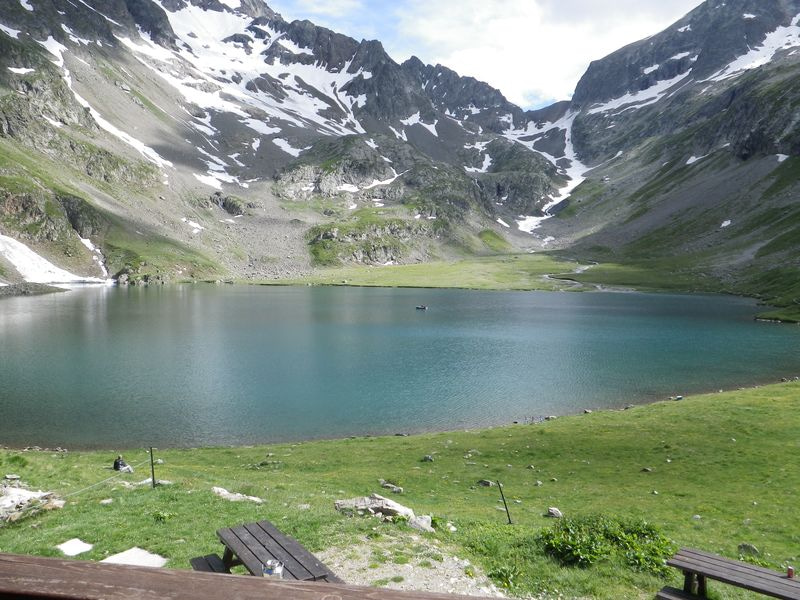
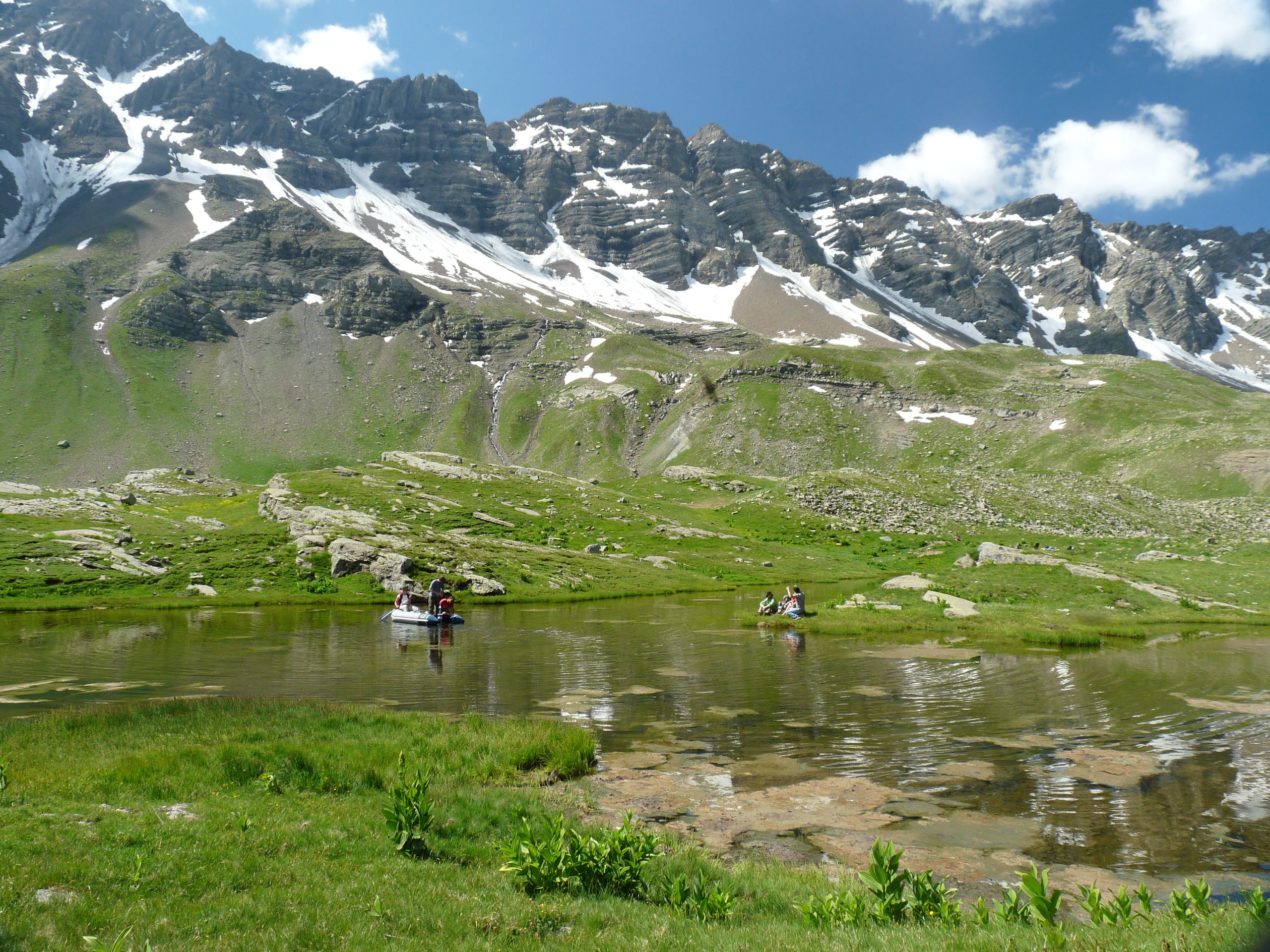
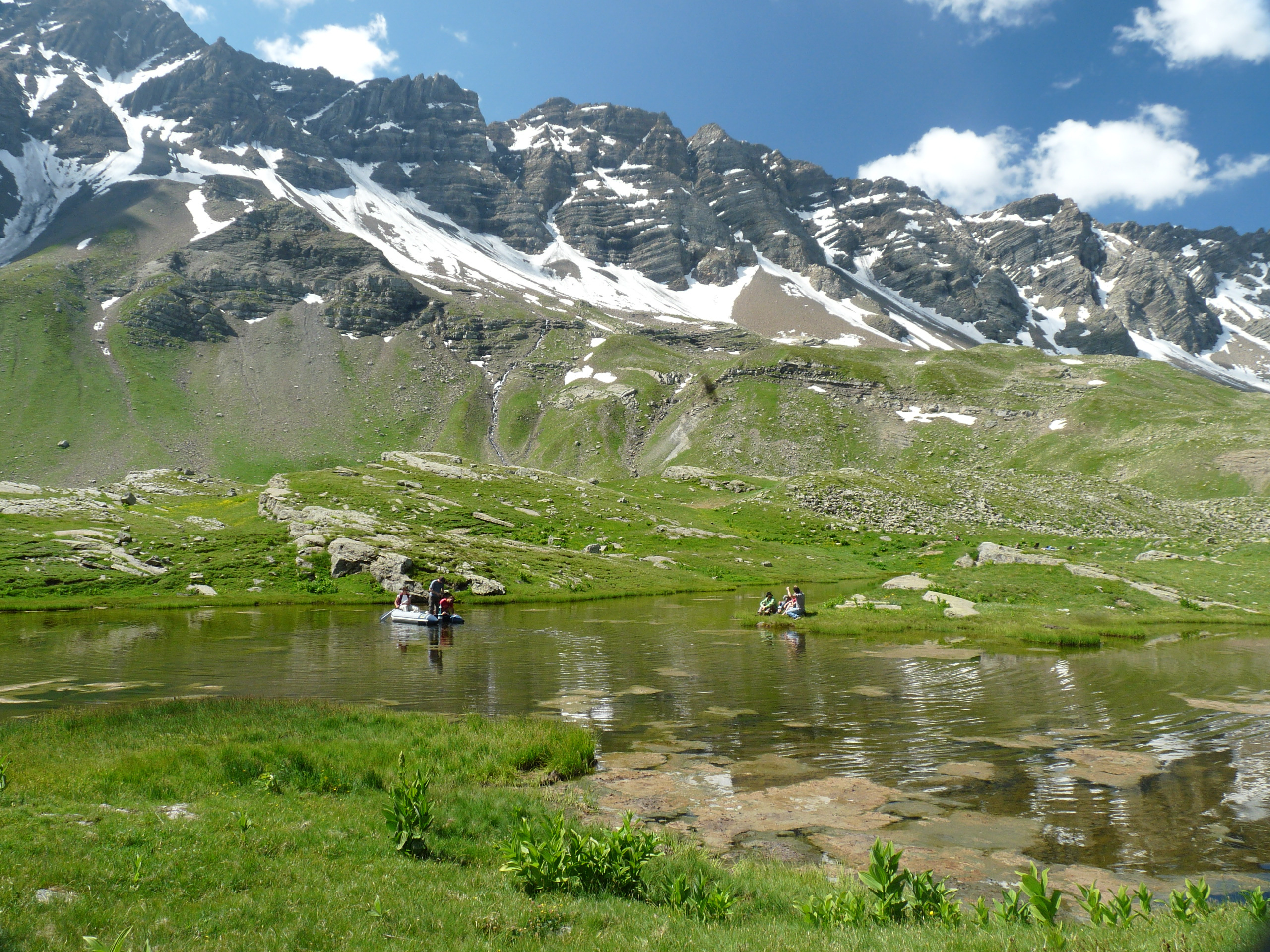
Figure 1. Pictures of the three lakes studied (from the top to the bottom: lakes La Thuile, Muzelle and Serre de l'Homme).
Researchers have spent much time evaluating the processes that influence the survival of ancient DNA, including lake sediment DNA. In particular, they have considered how time and climate affect survival. However, when we investigate the processes that affect lake sediment DNA records, we not only should consider the issue of DNA preservation, but also the source of the DNA, and then, the processes responsible for its transfer and deposition. DNA taphonomy is concerned with all of these processes. Of particular importance is the fact that sedimentation varies significantly over time, depending on changes in the processes responsible for sediment formation. Also, the variation in geological, topographical, climatic and ecological contexts in different lake catchments will influence sedimentary processes (Figure 1). Consequently, sediments look very different (i.e. have different geochemical compositions and physical properties) from one lake to another, and within a lake, the sediments will also vary down through the sedimentary layers (i.e. through time) (Figure 2).
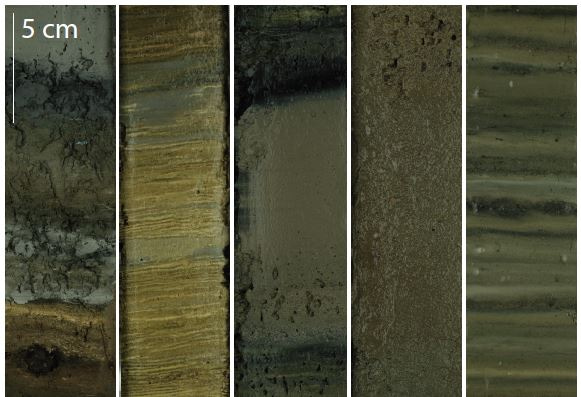
Figure 2. Illustration of the diversity in sedimentary deposits from different lakes in the Alps
The study of DNA taphonomy is particularly challenging, as it is often difficult to distinguish between taphonomic biases and the actual history of a lake and its catchment. One approach that partially mitigates this problem is the comparison of DNA records with “reference records” derived from other proxies, such as pollen, and the record of sedimentation processes.
In our manuscript, we investigate these complex taphonomic processes via the study of three lake-catchment systems (Figure 1), with markedly different erosion dynamics. Because extracellular DNA is supposed to be quickly bound to detrital particles, especially clays, with our sampling design, we assess the effects of erosion processes on the terrestrial DNA record (from plants and animals).
We demonstrate that erosion of upper organic and organo-mineral soil horizons yields a higher amount of plant DNA in lake sediments than deep horizons or bare soils and glacial flours. Moreover, high erosion rates, along with a well-developed hydrographic network, positively affect the representation of the catchment flora. Consequently, the development of open and agricultural landscapes, which favour erosion, could help record human activities.
Based on these results, we develop a conceptual model that we encourage colleagues to use as an interpretative tool in future studies.

Follow the Topic
-
Scientific Reports
An open access journal publishing original research from across all areas of the natural sciences, psychology, medicine and engineering.

Related Collections
With Collections, you can get published faster and increase your visibility.
Cancer Prevention and Control
Publishing Model: Hybrid
Deadline: Feb 19, 2027
Healthy Aging
Publishing Model: Open Access
Deadline: Dec 31, 2026
