Not Just Numbers: The Human Story Behind COVGEN’s Data Collection
Published in Microbiology, General & Internal Medicine, and Public Health

Every morning began at 3:30 a.m.
I still remember setting multiple alarms because those extra few minutes of sleep could make a difference. By 4:00 a.m., a fellow research assistant and I would leave our temporary accommodation and walk toward the university hospital where we conducted the COVGEN cohort study.
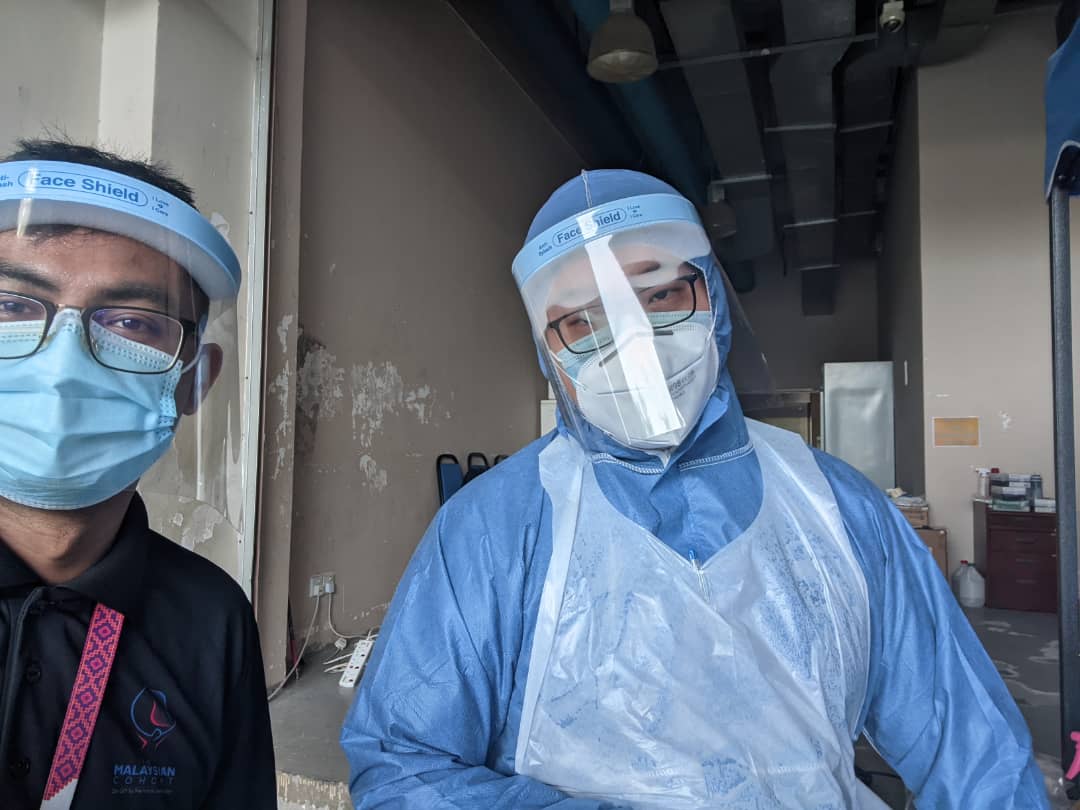
Me (on the right) in full PPE used for COVGEN participant
recruitment and follow-up.
Kuala Lumpur was unusually quiet at that hour. The city that was normally filled with traffic and noise felt almost suspended in time. The streets were empty, and the humid air hung heavily around us. We would only put on our personal protective equipment (PPE) after reaching the ward preparation room, making that short walk the last ordinary moment before entering the COVID-19 wards.
When I joined The Malaysian Cohort, it was my first job in a university research setting. Like many early-career researchers, I expected to gradually develop my skills by learning from experienced colleagues and academic leaders.
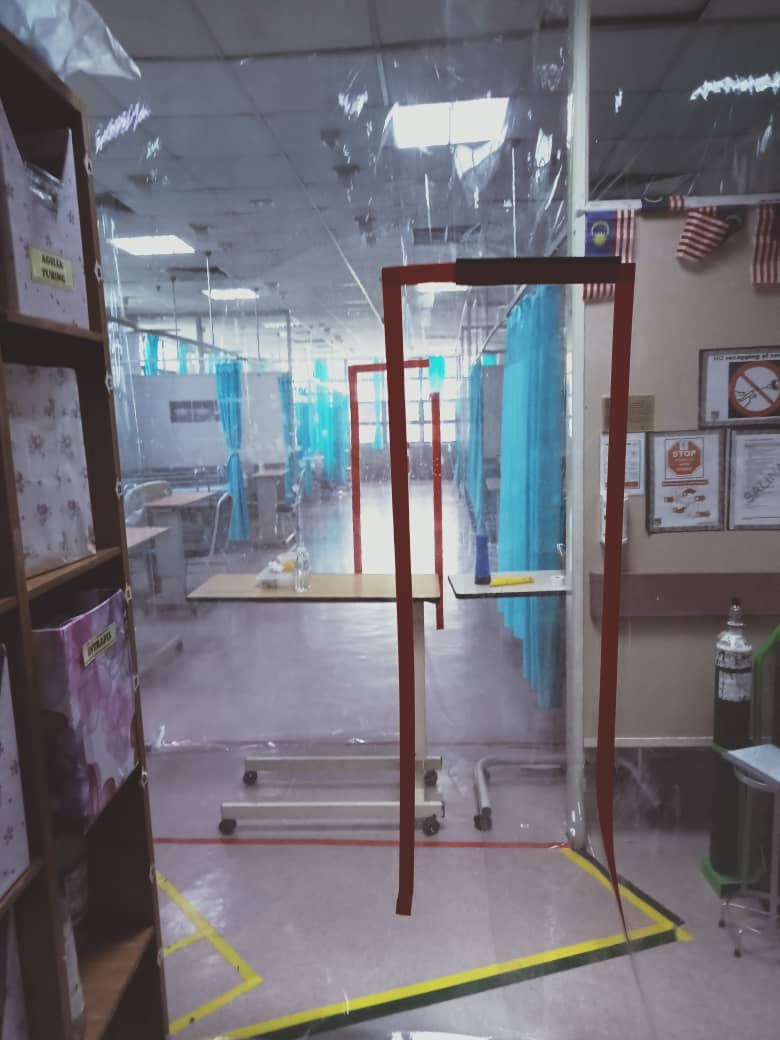
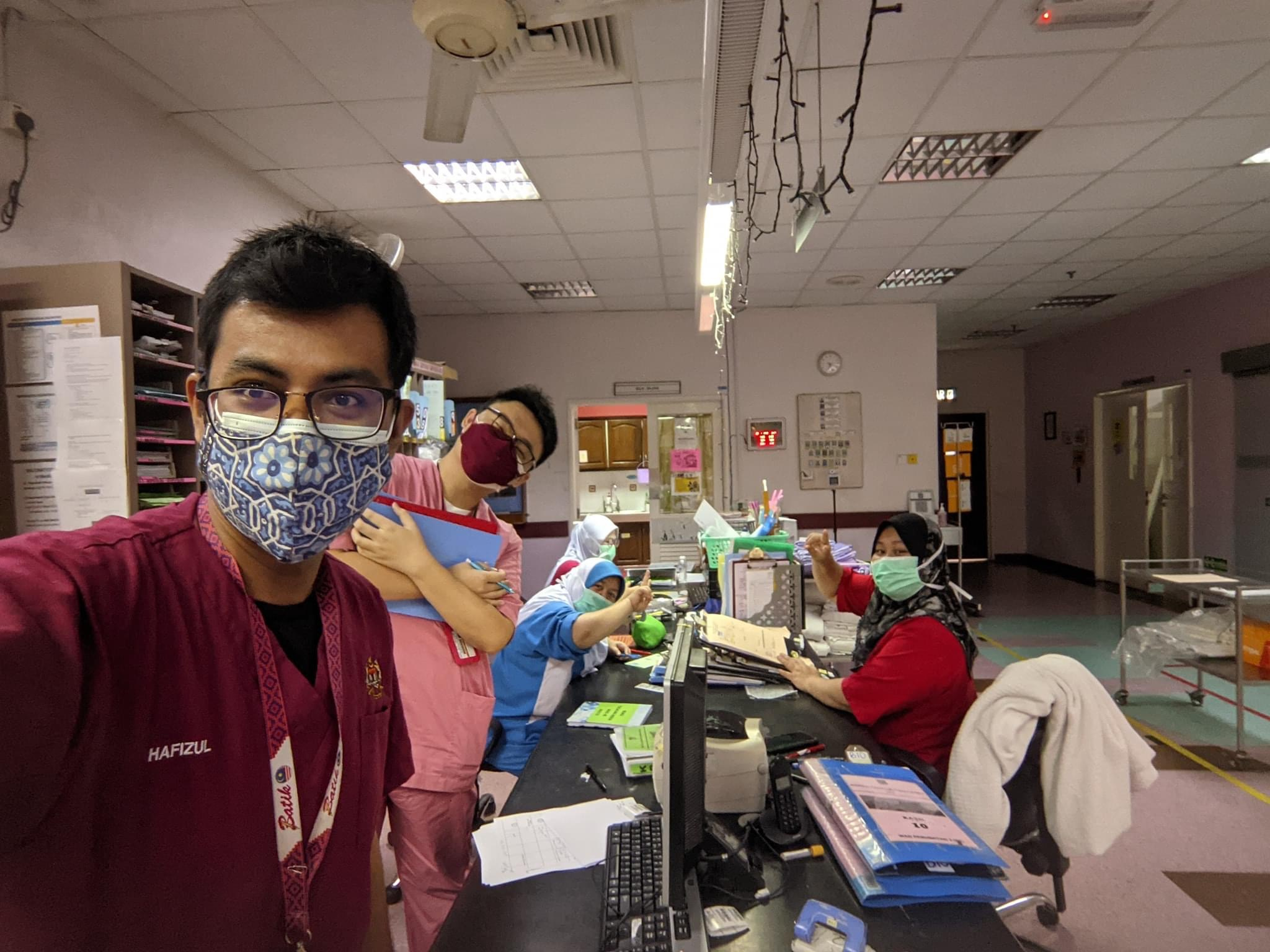
COVGEN participants and collect follow-up samples.
Photo credit: Mr. Arman.
COVID-19 changed that trajectory.
During the establishment of the COVGEN cohort study, I was entrusted with a new responsibility as a research officer and field team lead. Together with a dedicated team of research assistants, clinicians, nurses, and investigators, we recruited hospitalized COVID-19 patients and collected the clinical information and biological samples that would become the foundation of this research resource.
Looking back, I realize how fortunate I was to have worked under the leadership of Prof. Rahman Jamal and the mentorship of our project manager, Mr. Arman. Their trust in a young researcher shaped both my career and my understanding of what clinical research truly means.
Our mornings soon settled into a routine. One of our first tasks each day was to find the patients we had recruited. Carrying our alcohol-misted folders from ward to ward, we checked with the nursing teams for updates.
"Is this patient still in this bed?"
"Has this patient been transferred?"
"Can we continue their follow-up sampling?"
We always hoped the answer would be yes – not only because our study required follow-up samples, but because it meant the patient was still receiving care and fighting the disease.
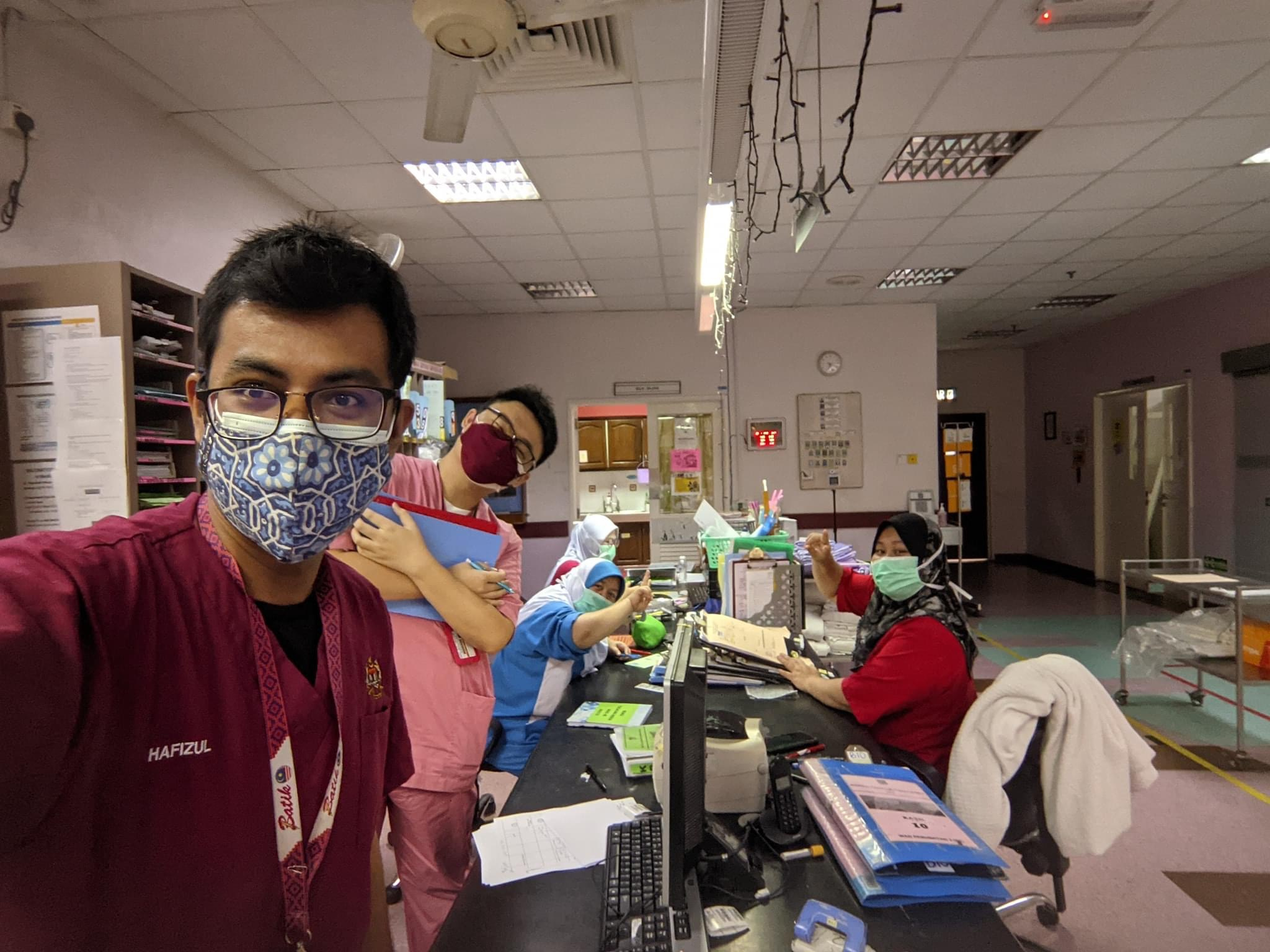
During the Delta wave, however, patient conditions could change rapidly. Sometimes, nurses informed us that a participant had been transferred to intensive care. Other times, they quietly told us that a patient had passed away overnight.
The nurses delivered these updates with remarkable professionalism. For our team, however, these moments carried a different weight.
An empty hospital bed was not just a missing data point.
It represented a person, a family, and a life affected by COVID-19.
The realities of the wards extended beyond patient care. After hours spent tracking patients, obtaining consent, collecting samples, and updating recruitment records, we shifted our attention to data management and administrative work.
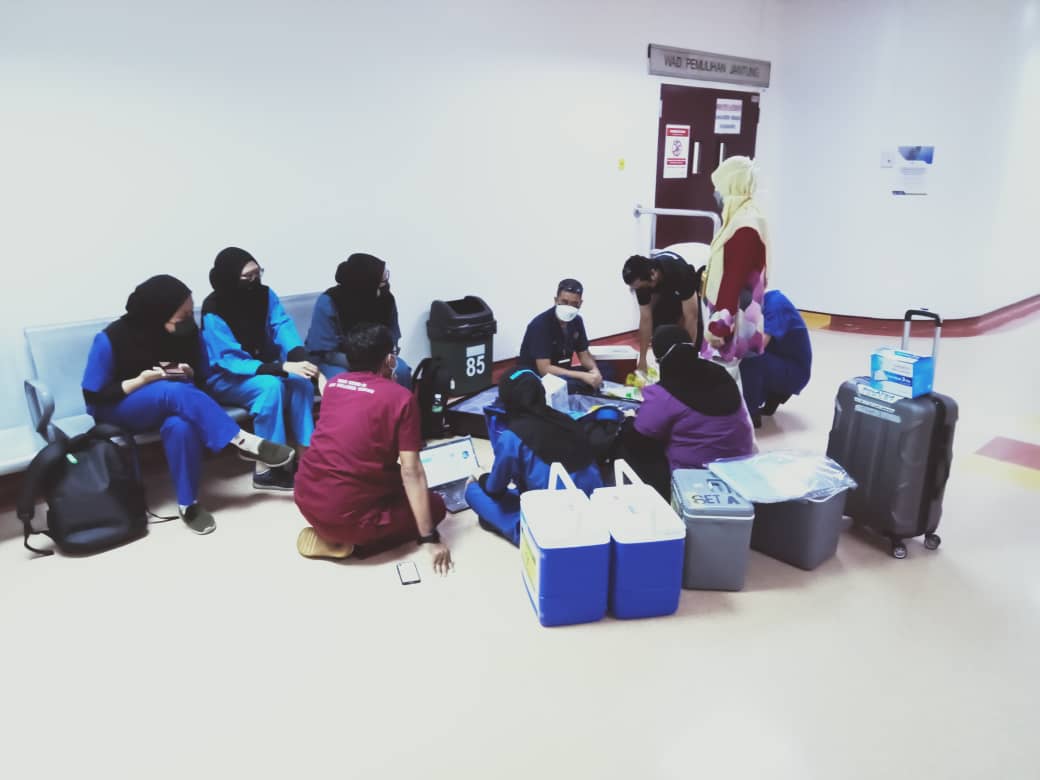
Photo credit: Mr. Arman.
Each day ended with a debrief led by Mr. Arman. We reviewed recruitment progress, shared challenges from the wards, and continually refined our workflow to improve recruitment, sample transfer, and data collection. Those conversations also acknowledged something many of us quietly carried: the concern that we might bring the virus home to our families after working in the COVID-19 wards.
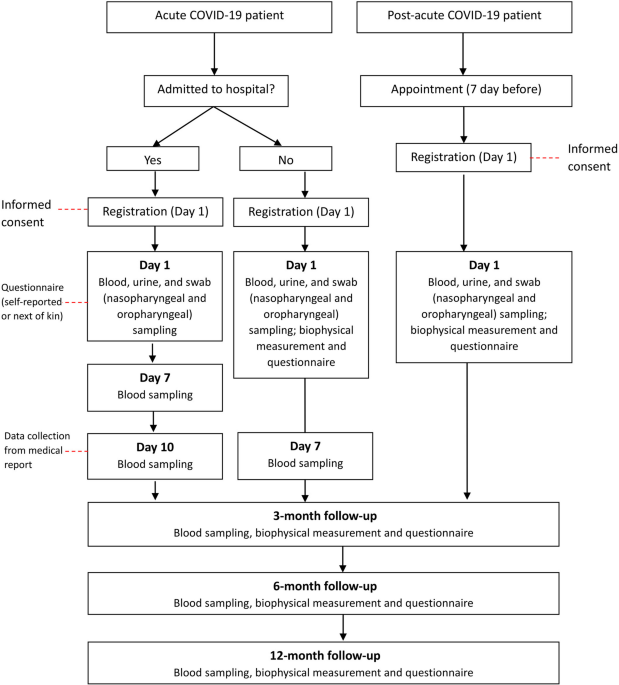
One challenge quickly became apparent. Our protocol relied on patients – or, when necessary, their next of kin – to complete detailed questionnaires covering medical history and existing health conditions before sample collection. However, many patients were severely fatigued, receiving oxygen support, or medically unstable. Some were unable to complete the questionnaires or provide detailed medical histories.
Together, our team adapted. When direct interviews and self-completed questionnaires were not possible, we reconstructed baseline clinical profiles through careful review of medical records, extracting relevant clinical information, including medical histories and clinical measurements.
This experience changed how I view research. Rigorous science is not only about following a carefully designed protocol, but also about recognizing when reality changes and adapting thoughtfully while preserving the integrity of the research.
Between those parts of the day, I developed a small routine.
After removing my PPE, cleaning myself, and completing the daily recruitment updates, I would walk to the hospital's convenience store for breakfast and coffee. I rarely remember what food I bought, but I still remember my Nira Melaka Latte.
That coffee became a small moment of normality, a brief pause between the intensity of the clinical wards and the quieter hours spent organizing the data collected only a few hours earlier.
Years later, when I look at the (recently!) published paper, most readers will naturally see the number 2,406 – the number of participants enrolled in the COVGEN cohort.
But behind that number, I see something very different.
I see the early morning walks to the hospital, the folders carried from ward to ward, the conversations at nursing stations, colleagues who supported one another, nurses who guided us through rapidly changing patient conditions, patients and families who placed their trust in us, and the investigators whose vision made COVGEN possible.
Upon reflection, what I value most is not simply the responsibility I was given during the pandemic, but the opportunity to contribute to a collective effort. Building COVGEN required adaptation, collaboration, and trust. It was made possible by patients who participated, families who shared information during difficult circumstances, healthcare workers who supported research alongside clinical care, and researchers who worked together to preserve valuable scientific data.
Every sample collected and every row in the database represent much more than measurements. They represent the collective effort, resilience, and humanity that made the science possible.
COVGEN Research Articles
- Azami, Nor Azila Muhammad, et al. "Baseline cohort profile: clinical and molecular characterisation of SARS-CoV-2 infected patients recruited into a longitudinal COVID-19 cohort study (COVGEN) in Malaysia." BMC Infectious Diseases 26.1 (2016):1095.
- Johdi, Nor Adzimah, et al. "Risk factors for COVID-19 symptom severity across clinical categories among hospitalised patients in Kuala Lumpur, Malaysia: a prospective cohort study." BMJ Open 16.3 (2026): e103389.
Acknowledgement
I would like to thank Prof. Rahman Jamal and Mr. Arman for reviewing and helping improve drafts of this article, and for generously sharing photographs for the post.
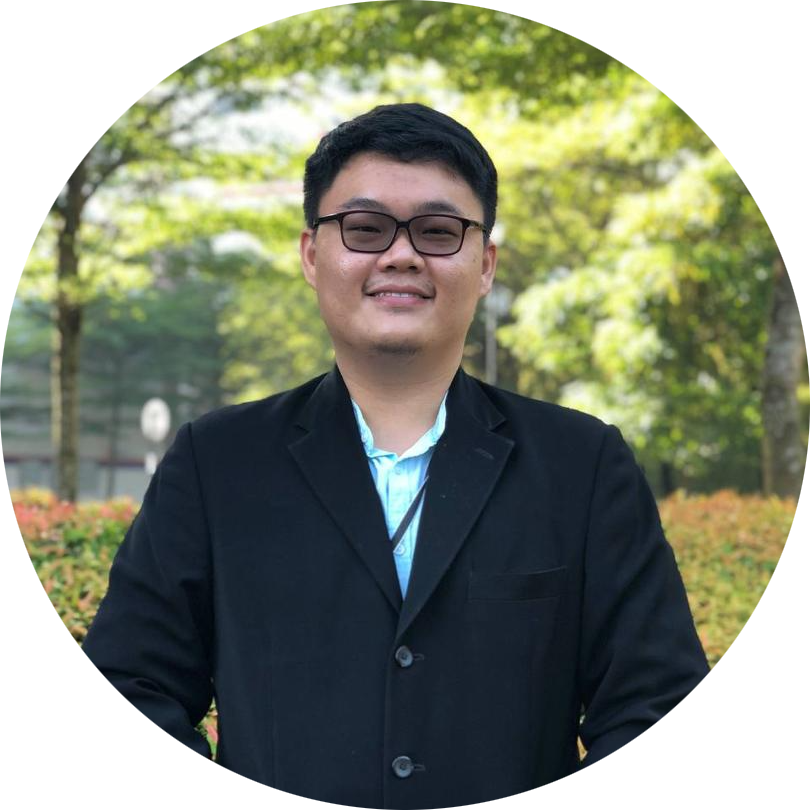
Ying-Xian currently studies the ecology and evolution of Listeria and antimicrobial resistance in soils through an interdisciplinary approach combining bacterial isolation, high-throughput sequencing, and population genomics. He previously worked as a Research Officer with The Malaysian Cohort.
Follow the Topic
-
BMC Infectious Diseases
This journal is an open access, peer-reviewed journal that considers articles on all aspects of the prevention, diagnosis and management of infectious and sexually transmitted diseases in humans, as well as related molecular genetics, pathophysiology, and epidemiology.

Related Collections
With Collections, you can get published faster and increase your visibility.
Personalized medicine in infectious diseases
BMC Infectious Diseases invites submissions for a Collection on Personalized medicine in infectious diseases.
The field of personalized medicine is rapidly advancing, particularly among infectious diseases, where the traditional ‘one-size-fits-all’ treatment approaches are increasingly inadequate. As our understanding of the genetic, environmental, and lifestyle factors influencing disease susceptibility and treatment response grows, this Collection aims to explore innovative strategies and technologies that can enhance the application of personalized medicine in combating infections.
Recent advancements in genomics, pharmacogenomics, and bioinformatics are transforming the application of personalized approaches for infectious diseases. These developments have enabled the identification of specific biomarkers that inform individualized treatment strategies, improving patient outcomes and minimizing adverse effects. In parallel, advances in molecular diagnostics and tailored antimicrobial therapies offer new opportunities to address the escalating challenge of antimicrobial resistance.
Improved understanding of host-pathogen interactions and the genetic determinants of infections may support the development of targeted antiviral and antimicrobial strategies that enhance their effectiveness, while limiting the emergence of resistance. Research in this area may also enable personalized antimicrobial dosing and optimized treatment guidelines that balance individual patient benefits with broader public health considerations.
This Collection welcomes original research articles on topics including but not limited to:
- Tailored antimicrobial therapy in infectious diseases
- Patient-specific interventions to improve clinical outcomes
- Personalized strategies to address antimicrobial resistance
- Precision medicine approaches in antiviral therapy
- Novel methodologies for disease modelling and therapeutic targeting
- Precision diagnostics, including biomarker validation and metagenomic sequencing
- Model-informed personalized dosing in infectious diseases
- Therapeutic drug monitoring in anti-infective therapy
This Collection supports and amplifies research related to SDG 3 (Good Health and Well-being).
All manuscripts submitted to this journal, including those submitted to collections and special issues, are assessed in line with our editorial policies and the journal’s peer review process. Reviewers and editors are required to declare competing interests and can be excluded from the peer review process if a competing interest exists.
Publishing Model: Open Access
Deadline: Dec 16, 2026
Tuberculosis and co-infections: diagnostics, management, and treatment
BMC Infectious Diseases invites submissions for a Collection on Tuberculosis and co-infections: diagnostics, management, and treatment.
Tuberculosis (TB) remains a leading cause of morbidity and mortality worldwide, particularly in regions with high prevalence rates and co-infections. The interplay between TB and various co-infections (including bacterial, viral, parasitic and fungal), complicates diagnosis and treatment strategies. Advances in molecular diagnostics and imaging techniques have improved our understanding of how these co-morbidities affect TB pathogenesis and treatment outcomes. However, the challenge of managing drug-resistant TB adds an additional layer of complexity, necessitating a comprehensive approach that integrates the latest research findings with clinical practice.
Research into TB of all stages and its co-infections is crucial for addressing the rising incidence of drug resistance and improving patient outcomes. Recent studies have identified critical biomarkers for early detection and prognosis, highlighting the role of rapid diagnostic tools in the clinical setting. Additionally, understanding the mechanisms of co-infections has led to tailored treatment regimens that maximize efficacy while minimizing adverse effects. Nonetheless, gaps remain in our knowledge of optimal management strategies for these complex cases, emphasizing the need for ongoing research in this field.
Future research endeavors should focus on the development of more effective diagnostic techniques and treatment protocols that consider the multifaceted interactions between TB and its co-infections. Innovations in personalized medicine may lead to targeted therapies that address specific pathogen interactions, ultimately enhancing patient recovery rates. Moreover, collaborative efforts between public health entities and research organizations could pave the way for comprehensive TB surveillance systems, fostering the identification of emerging trends in co-infection patterns.
This Collection welcomes original research articles on topics including but not limited to:
- Diagnostic innovations for Tuberculosis and co-infections
- Management strategies for drug-resistant Tuberculosis
- Interaction between Tuberculosis and HIV
- Tuberculosis and diabetes comorbidity
- Tuberculosis in the context of viral hepatitis and COVID-19
This Collection supports and amplifies research related to SDG 3 (Good Health and Well-being).
All manuscripts submitted to this journal, including those submitted to collections and special issues, are assessed in line with our editorial policies and the journal’s peer review process. Reviewers and editors are required to declare competing interests and can be excluded from the peer review process if a competing interest exists.
Publishing Model: Open Access
Deadline: Jan 27, 2027