Reading the infant brain's response to voices, and what socioeconomic background had to do with it
Published in Public Health, Behavioural Sciences & Psychology, and Arts & Humanities




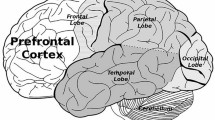

Apparently, human voice sounds really special to the human brain: very soon during development, possibly even in utero, the brain responds more consistently to speech and vocal sounds than to environmental sounds with similar acoustic characteristics. This preference contributes to shaping social cognitive development, and atypicalities at this early stage are associated with an elevated likelihood of later difficulties with language and social cognition.
We wanted to know what processing of human voice looks like in a group of pre-verbal infants (age: 8–10 months) whose developmental trajectory is relatively understudied although they carry an elevated likelihood of later neurodevelopmental disorders: the infants of mothers living with severe mental illness.
What is fNIRS, and how does it shed light on the infant brain
Asking this question in nine-month-olds is a practical problem before it is a scientific one. Infants do not lie still, do not follow instructions, and do not tolerate the noise and confinement of an MRI scanner. Functional near-infrared spectroscopy (fNIRS) is well suited to exactly this situation. An fNIRS probe consists of small lamps and light detectors, mounted in a cap that the infant wears during the study. The lamps shine harmless light, in the near-infrared band, through the scalp, and the detectors measure the intensity of the reflected light. Because brain activation affects oxygen content, and oxygen content affects the colour of the blood, which in turn affects the intensity of the reflected light, the detectors provide an indirect measure of activation in the brain cortex directly underneath the probe. By doing so, fNIRS can quantify, although in limited brain areas, the same hemodynamic signal that fMRI measures, but with a quiet, wearable, movement-tolerant system. We placed sources and detectors over temporal regions bilaterally, the areas most involved in processing voices and the emotional tone of speech.
The study had two experiments. In the first, infants heard voice and non-voice sounds, and we asked whether the temporal response distinguished between them. In the second, they heard spoken sentences carrying angry, happy, or neutral prosody, letting us ask whether the emotional tone of speech modulated the response. We compared thirty infants exposed to severe maternal mental illness with thirty unexposed controls.
What we found in the temporal response
The group difference was there, and it was right-lateralised. Over the right temporal cortex, control infants showed the expected pattern, responding more strongly to voice than to non-voice sounds. The exposed infants did not. If anything, their right-temporal response was stronger to non-voice than to voice sounds, a reversal of the typical early profile. That the effect concentrated on the right side is worth pausing on, because the right temporal cortex is where emotional and socially relevant aspects of sound are preferentially processed. I want to be careful here: an infant's hemodynamic response is not a psychiatric symptom in miniature, and reading it that way would be a mistake. What we can say is narrower: that a socially relevant auditory distinction present in controls is, in this group, already organised differently in the first year of life.
The finding that moved socioeconomic status into the foreground
Although we did expect socioeconomic background to have a role in language development, we had not anticipated which aspects of language processing were more closely connected to it. Socioeconomic status was positively associated with the temporal response to non-voice sounds, which in turn seemed to facilitate response to spoken sentences, independently of their emotional prosody.
We know that socioeconomic instability and severe mental illness are deeply connected: financial stress and mental illness each make the other harder. However, the analysis shows that we cannot treat socioeconomic context as background noise to be subtracted away, as it seems to be doing real work in shaping early brain development.
What we are not saying
We are not making diagnostic predictions. Early neural differences do not map neatly onto later outcomes, and infancy is a period of extraordinary plasticity. Our verbal IQ measures at twelve months hinted at possible early language differences, but were not conclusive.
What these data offer is not a marker to screen with but a starting point: evidence that distinct neural trajectories are already detectable in the first year of life, and a reminder that socioeconomic status belongs in the foreground of how we think about them.

Follow the Topic
-
Communications Psychology
An open-access journal from Nature Portfolio publishing high-quality research, reviews and commentary. The scope of the journal includes all of the psychological sciences.

Related Collections
With Collections, you can get published faster and increase your visibility.
Replication and generalization
Publishing Model: Open Access
Deadline: Dec 31, 2026
Comparative Psychology of Cognition, Affect, and Behaviour
Publishing Model: Open Access
Deadline: Oct 31, 2026




Please sign in or register for FREE
If you are a registered user on Research Communities by Springer Nature, please sign in