Reclaiming Gender Identity: Insights from Indigenous Communities
Published in Sustainability and Public Health
How do we achieve gender equality while respecting Indigenous knowledge systems?
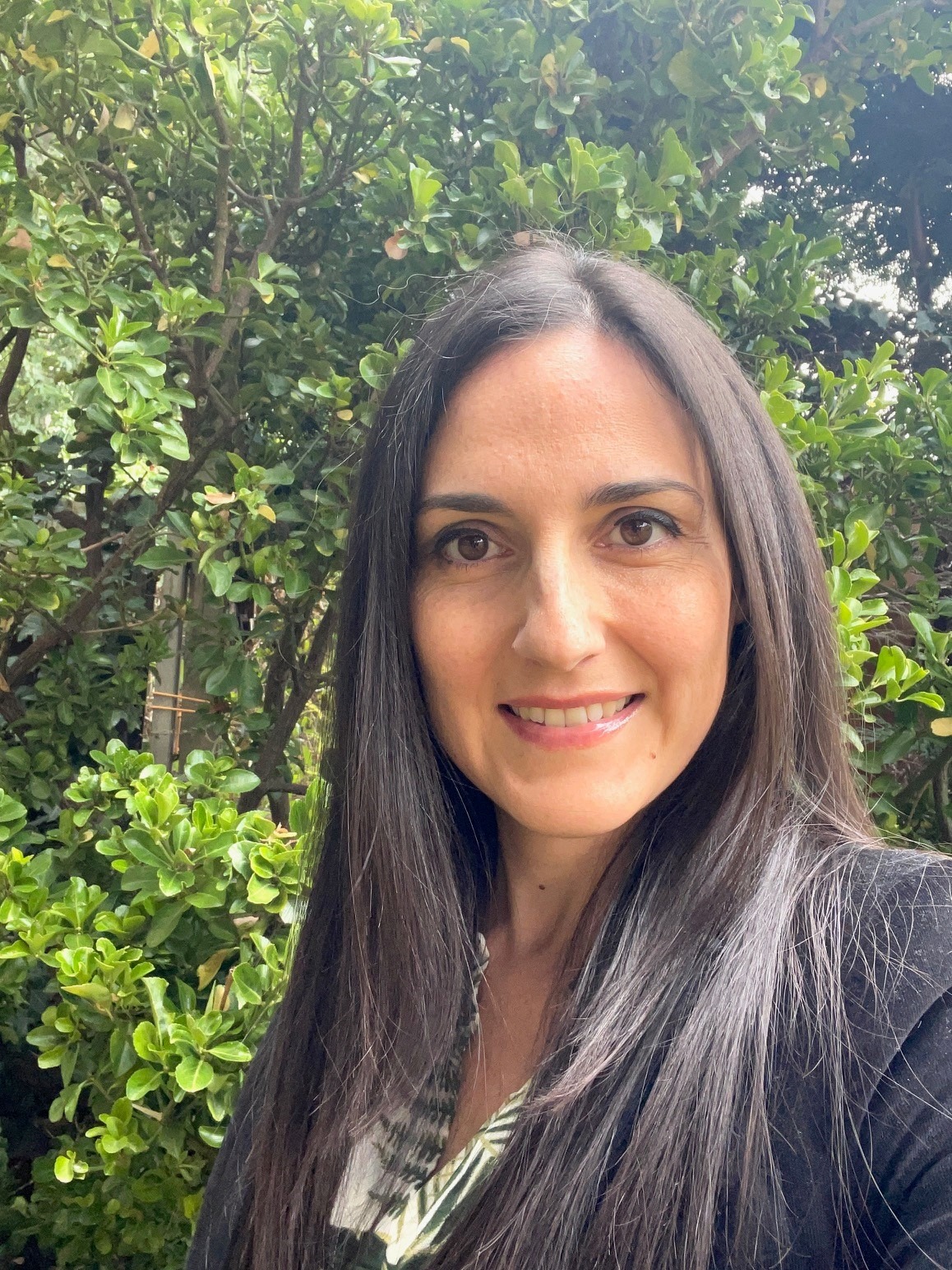
This question guided a recent webinar titled “Gender identity in Indigenous communities”, organized in September by the SDG 5 Global South Subgroup, and moderated by Lorena Verduci and Rita Leal Gonzaga Moreira. Please find the recording of the event at the following link: https://cassyni.com/events/2YqcuJT4SRgXEwASSbHrLD/abstract?cb=0.0wom
The discussion focused on gender identity in Indigenous communities within the framework of SDG 5: Gender Equality, featuring two distinguished speakers: Dr Ryder (Flinders University), an aboriginal researcher and health equity advocate, and Professor Ebenezer Durojaye (University of Pretoria), an expert in human rights and gender equality.
We interviewed the speakers ahead of the event and you can find the full interviews at the following links:
https://communities.springernature.com/posts/meet-the-speaker-ebenezer-durojaye
https://communities.springernature.com/posts/meet-the-speaker-courtney-ryder
Below, are the key themes and insights of this event.
Intersection of SDG 5 and Indigenous Rights
Gender equality cannot be addressed in isolation. It intersects with health, poverty, and cultural rights. Both speakers emphasized that Indigenous voices must lead research and policy to ensure relevance and equity.
“If Indigenous people are not at the table, decisions will continue to miss the mark for our communities” – Dr Ryder “Human rights frameworks are powerful, but they must be grounded in context and community voice” – Professor Durojaye
Pre-Colonial Gender Systems
Before colonization, gender roles were far more fluid than today’s rigid binaries. Prof. Durojaye provided context from Africa, explaining that practices such as woman-to-woman marriage existed and gender diversity was widely accepted. Colonial laws later imposed strict binaries and criminalized these traditions. The same applies to Australia where, according to Dr Ryder, identities like brotherboys (people who identify themselves with a male spirit and take on male roles) and sistergirls (people who identify themselves with a female spirit and take on female roles) were integral to kinship systems. Colonization and missionary influence disrupted these identities through assimilation policies.
“Colonization did not just change laws. It disrupted kinship and belonging” – Dr Ryder “Colonial laws didn’t just impose binaries—they erased entire systems of understanding gender” – Professor Durojaye
Current Challenges
Dr Ryder highlighted that in Australia, far-right movements, racism, and transphobia are on the rise. The absence of a treaty and constitutional recognition creates legal gaps for Indigenous gender-diverse people. Meanwhile, Prof. Durojaye noted that across many African contexts, governments often deny Indigenous identity, excluding communities from legal protections and essential services.
“Safety is not simply individual. It is cultural, legal, and collective” – Dr Ryder
“Where the state refuses to recognize Indigenous identity, rights protections collapse” – Professor Durojaye
Community-Led Initiatives
Despite these challenges, Indigenous communities are reclaiming identity and creating safe spaces: in Australia, for example, projects like Dariniji, Rainbow Mob, and the Transgender First Nations Hub promote cultural safety and visibility; in Africa, advocacy and strategic litigation—such as the Endorois and Ogiek cases—are pushing for recognition and rights at national and international levels.
“Our communities are designing solutions that reflect our values and our stories” – Dr Ryder
“Strategic litigation is not just legal—it is educational and transformative” – Professor Durojaye
Role of Scholarly Publishing
Publishing plays a critical role in dismantling colonial narratives. Key actions include:
-
Including Indigenous scholars in editorial boards and peer review
-
Adopting ethical frameworks like CARE and FAIR for Indigenous data sovereignty
-
Commissioning research that amplifies Indigenous voices and challenges historical biases
“Editorial power shapes knowledge. Representation matters at every stage” – Professor Durojaye
“Data without sovereignty can replicate harm. Ethical frameworks are essential” – Dr Ryder
Lessons for Non-Indigenous Communities
Embrace relationality and fluidity in understanding gender. Unlearn colonial narratives and integrate Indigenous knowledge into education, policy, and research practices.
“Solidarity means listening, learning, and sharing space” – Professor Durojaye
“Change begins with humility and a willingness to unlearn” – Dr Ryder
Closing Message
Achieving SDG 5 requires inclusive, culturally grounded approaches that respect Indigenous knowledge systems and dismantle colonial legacies. Publishers, policymakers, and researchers must collaborate with Indigenous communities to ensure equity and representation. Non-Indigenous communities, in particular, should embrace relationality and fluidity in understanding gender, and be willing to unlearn colonial narratives and integrate Indigenous knowledge into education, policy, and research practices.
As our speakers rightly noted, “Solidarity means listening, learning, and sharing space” (Professor Durojaye) and “Change begins with humility and a willingness to unlearn (...) Repair requires truth-telling and accountability, not just policy change” (Dr Ryder).
“Repair requires truth-telling and accountability, not just policy change" – Dr Ryder
A big thanks to everyone who contributed to this discussion and shared their insights.
Follow the Topic
📢 Introducing: # Mental Health
Mental Health is a Topic created to increase visibility and impact of research in this area and facilitate exchange amongst researchers.
Continue reading announcement