Research Roundup #2: The Debts We Carry
Published in Healthcare & Nursing and Public Health

One of the most enduring realizations from my days working in the hospital setting is how quickly one difficult encounter had to become the prelude to the next. You tell a family something they did not want to hear, step out of the room, and almost immediately someone else needs a prescription, a review, a discharge, an answer. The work keeps moving on whether or not you have caught up with it. I was thinking about that while reading this fortnight’s papers. In general, the healthcare services workflows are very good at moving tasks forward. It is less reliable at carrying forward what those tasks leave behind. When a student procrastinates, loses focus, or finds compassion difficult, the instinct is to strengthen the individual. Often that is reasonable. But the papers I have been reading for this post kept shifting the burden around: from student to classroom, nurse to culture, clinician to organization, technology to service, patient to family.
The tension I kept circling around was simple: what do we ask people to carry, often overlooking what the systems around them should be carrying instead?
When coping becomes part of the job
This fortnight has a phrase, and Ayesha Azhar and colleagues supply it: “emotional debt.” In Unseen emotions, unpaid debts, they interviewed 16 nurses working in high-intensity settings in a tertiary hospital in Karnataka, India, drawing participants from the ICU, surgical ICU, neonatal ICU, emergency department, and operating theatre. Nurses described emotional detachment as something that could preserve focus and professional functioning when the work demanded it. The problem appeared when difficult experiences remained repeatedly unprocessed, accumulating as fatigue, numbness, and disengagement – something that my critical care physician better half and I often discuss – vicarious trauma.
I like “emotional debt” because it does not turn detachment into a character defect. In the short term, detachment can be functional. The debt is what remains when the system keeps borrowing that capacity without making much room for repayment. That phrase changed how I read the student papers that followed. It made me wonder how early we begin translating difficulties produced by an environment into competencies that the individual is expected to acquire.
Limei Deng and colleagues studied academic procrastination among undergraduate nursing freshmen in 387 students from three medical colleges in Chengdu. As a professional-level procrastinator, naturally, this paper drew me in! Seven factors were independently associated with procrastination, including meaning in life, rumination, classroom learning climate, and the difficulty of daily learning tasks. Obviously, the cross-sectional design cannot tell us whether rumination precedes procrastination, follows it, participates in a loop, causes it or is merely an innocent bystander. What interests me is the distribution of the associations. Meaning and rumination sit beside classroom climate and task difficulty. Procrastination does not disappear as an individual behaviour, but neither does it remain an entirely individual explanation.
Once some of the problem is located in attention and emotional regulation, education's next instinct is predictable: can we train in the desirable attributes and train out bad ones? Mohadese Basirat and colleagues tested an eight-session in-person mindfulness programme among 87 undergraduate nursing students in Iran. Two intact classes were selected by lottery from four classes in the cohort; one became the intervention group and the other the control – yes, as an epidemiologist, I have questions, but let’s hold them for now. Compassion scores increased within the intervention group. Yet the post-intervention difference between groups remained statistically non-significant, both in the primary comparison and in an ANCOVA adjusting for baseline scores.
In a world ruled by p <0.05, this null result, in my opinion, is informative. It does not make the program pointless, nor does it establish equivalence. It simply refuses an easy success story. A change observed within one group is not the same as clear evidence that the group ended up different from its comparator. Mindfulness may be worth teaching for several reasons, but this study leaves its effect on compassion less settled than the within-group result alone suggests.
There is something of Osler’s Aequanimitas in resisting the more convenient reading:
“Imperturbability means coolness and presence of mind under all circumstances, calmness amid storm, clearness of judgment in moments of grave peril.” (Sir William Osler, Aequanimitas: Valedictory address at the University of Pennsylvania, May 1st, 1889)
That kind of equanimity can be given a scheduled place in mindfulness training. Clinical work, however, is rarely so considerate. Adam Searby and colleagues, in their qualitative exploration of alcohol cultures in nursing, returned to two Australian datasets, one from 2021 and another from 2023-24, and re-analysed 97 nurse interviews through the Alcohol Cultures Framework. Participants described alcohol as reward, decompression, stress management, and sometimes part of the shared identity of being a nurse who could handle a difficult shift. The point is not that every nurse drank this way. It is that participants described a social world in which talking about alcohol after a bad shift could become normal, expected, and a lightly ritualized way to “deal with it all”.
Read after Azhar, this is where emotional debt becomes practical. A workplace does not have to formally prescribe a coping strategy for norms to develop around it. Once that happens, advice to “look after yourself” and pontifications about “wellness programs” begin to sound disingenuous.
So, what should support look like?
Pitchaimani Govindharaj's study of the perceived usefulness of sociology training for nurses is the sort of paper whose modest title conceals a good curricular question. Sixty-one fourth-year nursing students in Chennai, India, completed a survey about a sociology course they had taken in the second year of their four-year programme. The response rate was 62%. By the fourth year, 91.8% reported a high level of perceived usefulness, and 93.4% rated their overall satisfaction as high.
I would not turn a single-institution satisfaction survey into an argument that sociology courses improve clinical care. What made me pause was WHEN in their training the nursing students were asked about the value of their sociology training. These students were being asked to look backward, after accumulating more nursing education and clinical exposure, and then argue the usefulness of this education. A subject that can feel abstract when first taught may become legible only after students have met families, hierarchies, poverty, gender, culture, stigma, and all the other social facts that refuse to stay outside the consulting room. Some parts of a curriculum may need experience before the student can understand why they were there.
If sociology trains the eye to see the structures around a clinical encounter, ethics education asks what to do once the structure produces a problem. Rasoul Goli and colleagues compared role-playing, mobile phone-based ethics education, and control among 114 nurses in Urmia, Iran. The contrast between the two interventions is almost more interesting than the label “education.” The role-playing arm used five interactive ethics scenarios lasting roughly 90 to 120 minutes each, with facilitated debriefing. The mobile arm sent two educational messages a day for two weeks and added weekly telephone conversations for clarification and reflection.
Both active groups showed substantial pre-post gains in moral sensitivity and clinical decision-making, and both scored higher than control after the intervention. Post-hoc comparisons did not show a significant difference between the two active formats. I would not conclude that a text message and a room full of role-play are interchangeable. But, I would posit that ethical reasoning can be worked on through very different instructional architectures, provided learners are asked to engage rather than merely receive information.
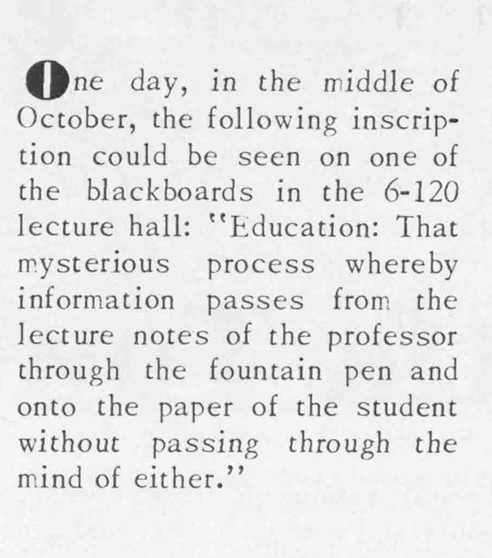
Then Masoumeh Fuladvandi and colleagues move us from rehearsal to consequence in their qualitative study of medical error disclosure.
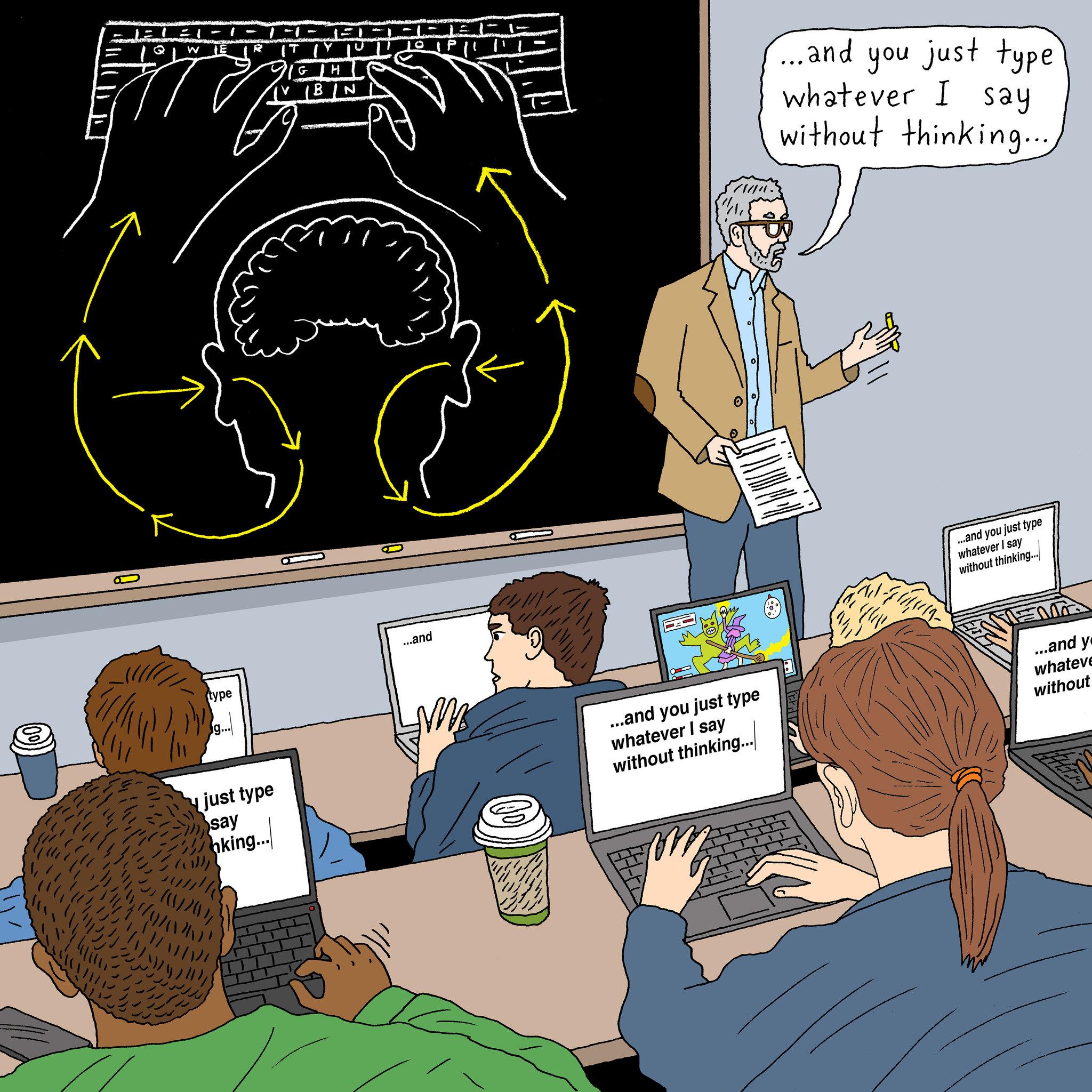
Participants described a recurring conflict between the professional obligation to be honest and a sense that disclosure could expose them to blame, reputational harm, managerial reaction, or occupational consequences. Informal concealment and selective disclosure appeared in the analysis alongside psychological and moral burden. These findings strengthened a preconceived notion I have always held – there is a limit to what we should ask an ethics curriculum to accomplish. Training can sharpen recognition and rehearse a response. It cannot make honesty safe within punitive systems intent on allocating blame. If disclosure depends on unusual personal courage because the organization is perceived as punitive, the problem has already escaped the classroom. At that point, the onus to change things rests on the institution.
Before we build the next thing
Bahador Pourdel and colleagues give us a fairly clean example of a technology doing a bounded job. In a randomized trial of the Touch Surgery mobile cognitive simulator, 80 operating room technology undergraduates were block-randomized to traditional teaching alone or traditional teaching plus the simulator. Training and performance assessments occurred in clinical skills laboratories, not on actual patients, and outcomes were measured at baseline, immediately after the intervention, and four weeks later. The simulator group improved more in procedural knowledge and simulated scrub-role performance, with a large standardized difference reported for simulated performance. Perceived competence also increased more quickly. Safety attitudes, however, did not change differently between the groups. I like that null almost as much as the positive findings. A mobile simulator can teach a sequence, help a student anticipate an instrument, and give repeated cognitive rehearsal. It would be odd to expect an app added to a course to manufacture a safety culture on its own.
The scale changes abruptly in Yuzhe Wang and colleagues’ study of readiness for public hospital-led digital home nursing in China. Their question is not whether one application works but whether a hospital is ready to deliver an entire platform-mediated service safely, sustainably, and accountably. The cart-before-horse temptation is obvious here, but the chronology makes the problem more interesting. China's Internet Plus Nursing Services pilot began in 2019, and the paper reports that by the end of 2022 more than 2,000 medical institutions had provided such services, covering more than 60 home-based nursing items across seven categories. The service was already moving. Wang’s team therefore built a readiness framework after asking what the surrounding system needed to contain. The final framework contained five major domains and 43 third-level indicators. Workforce and digital platform infrastructure received the greatest weight, followed by patient adoption, payment and value recognition, then operational quality, safety and accountability.
I read this less as "technology before evidence" than as rollout and readiness running on different clocks. We are often able to make a service technically possible before we have decided how staffing, payment, risk, traceability, responsibility, and patient choice should fit around it. Wang and colleagues are trying to make that invisible scaffolding explicit. My only objection here is that the tool may be ready long before a service is.
Who counts as the unit of care?
Once care leaves the institution, the fiction of the solitary patient becomes harder to maintain. Ling Yuan and colleagues studied 220 stroke patient-caregiver dyads recruited from neurology and rehabilitation departments in three tertiary hospitals in Chengdu. Their Actor-Partner Interdependence Model was a sensible choice because it treated the two members of the dyad as statistically non-independent rather than pretending that patient and caregiver occupy separate universes. The significant paths were actor effects: patient self-efficacy was associated with the patient’s own self-care measure, and caregiver preparedness with the caregiver’s own contribution to care. Neither partner path was significant. The patient actor effect also ran in an unexpected negative direction. The authors are appropriately cautious about this, because the study was cross-sectional and did not include an objective measure of functional status or stroke severity. I would not translate the finding into “more confidence means worse self-care.” I would take it as a reminder that early stroke recovery contains dependence, impairment, confidence, and caregiver involvement in combinations that a single cross-sectional model may not fully separate.
Statistics give us one map of interdependence. Zheng Jiang and colleagues offer another. Their qualitative meta-synthesis of parents’ experiences of palliative care in the PICU included ten studies. Five synthesized findings moved from confronting the end-of-life reality, through relational support and maintaining the parental role, to protecting comfort, dignity and farewell, and continuing care and connection after death. I hear echoes of Rabindranath Tagore's যেতে নাহি দিব here, a poem built around the human refusal to let go even while loss proceeds.
এ অনন্ত চরাচরে স্বৰ্গমর্ত্ত্য ছেয়ে
সব চেয়ে পুরাতন কথা, সব চেয়ে
গভীর ক্রন্দন “যেতে নাহি দিব।” হায়,
তবু যেতে দিতে হয়, তবু চলে যায়!In this boundless universe, across heaven and earth,
The oldest of all words, the deepest of all lamentations:
“I will not let you go.” And yet, alas,
One must let go; and yet, one must go.Rabindranath Tagore’s "Jete Nahi Dibo" (Sonar Tari, 1894) [translation, with apologies, is mine]
The authors also tell us where sensemaking becomes insufficient: grief, surrogate decision burden, cultural and spiritual meaning, organizational constraints, and continuing bonds do not fit neatly inside the framework.
Hospitals count procedures, admissions, visits, competencies, errors, and outcomes because they must. Yet, we must remember that care also depends on acts that are harder to count: sitting beside a child, learning what frightens a family, carrying information between services, or returning to work while an entire domestic life has been rearranged. Which brings me to the paper I nearly left at the edge of this fortnight.
The paper I'd have missed
Suya Li and colleagues studied nurses returning to work after childbirth. I might have passed over it because the title sounds narrow: a work-stress coping programme for one occupational transition. The methods made me reconsider. Seventy-two nurses returning after childbirth were enrolled across three geographically separated campuses of the same tertiary hospital in Hubei. Allocation followed the campus to which a nurse returned rather than individual randomization: 37 entered the intervention group and 35 the control group. The intervention then lasted six months and involved a nursing director, obstetrician, neonatal nurse specialist, psychological counsellor, and three registered nurses. That is more than the wellness week or resilience seminar type of intervention I find myself sneering at. The program included peer support, specialist advice, a private space for breastfeeding or pumping, breast-milk storage supplies, a weekly scheduling-preference form, and online material on clinical updating, mother-and-child care, and stress management. In other words, the intervention did not treat return as a state of mind alone. It treated it as a practical collision between work, recovery, feeding, childcare, scheduling, and professional re-entry. Work pressure, social support, postpartum depressive symptoms, and return adaptation were measured before the intervention and at one, three, and six months.
The results are more useful when left slightly untidy. Work pressure was lower in the intervention group at one month, but the between-group differences were no longer statistically significant at months three and six. Social support remained higher from months one through six, and return-adaptation scores were higher at all three follow-ups. Because allocation was by campus rather than individual randomization, I would keep the causal language modest. Still, the operational premise of the study stays with me: the organization can choose to participate in a worker’s return rather than standing back and measuring whether she adapted successfully. That is a small shift in workflows with a large consequence. “She adapted” vs “We supported her return” describe the same transition from very different sides of the employment relationship.
Song of the season
Queen's “Under Pressure” is my song of the fortnight. The obvious connection is that almost everyone in these papers is under some kind of pressure, but the song earns its place for another reason. Pressure reveals where support is real and where it is rhetorical. Nurses suppress emotion, clinicians decide whether disclosure is safe, parents hold on while preparing to let go, and women return to work after childbirth. The interesting question is rarely whether people can bear pressure. It is how much the system expects them to bear alone.
And since we are talking about Queen, it gives me the rare chance to show off - as I do now, with the photos from the Queen (with Adam Lambert) concert I attended in Baltimore almost 3 years ago to the day (Oh my, time flies). Ah, the incredible Sir Brian May, astrophysicist, PhD, legendary rocker, professor... come on!


Long live the Queen...
----
I am an associate editor of BMC Nursing. Nothing here draws on the formal review or editorial process. These are personal thoughts on papers I happened to find interesting. Neither the journal nor the authors asked for any of them to be featured. Every paper featured here is open access and free to read. Corrections are welcome.

Pranab Chatterjee is the Editor of BMC Nursing. He is a physician-scientist and epidemiologist focused on global public health, infectious diseases, antimicrobial resistance (AMR), and One Health. He holds an MBBS from Medical College, Kolkata, an MD in Preventive Medicine from the University of Delhi, and a Diploma in Tropical Medicine and Hygiene from the Royal College of Physicians, London. He completed his PhD in International Health (Global Disease Epidemiology and Control) at the Johns Hopkins Bloomberg School of Public Health. His work spans epidemiologic studies, mixed-methods and implementation research, and policy analysis, with a focus on how evidence is translated into better care and safer health systems. As Editor, he aims to support rigorous, transparent, and clinically meaningful scholarship with global relevance.
Follow the Topic
-
BMC Nursing
This is an open access, peer-reviewed journal that considers articles on all aspects of evidence-based nursing care; nursing research methods; nursing service delivery, utilization, and evaluation; nursing administration and human resources.

Related Collections
With Collections, you can get published faster and increase your visibility.
Career development for nursing students
BMC Nursing is calling for submissions to its Collection, Career development for nursing students. The transition from nursing education to professional practice is a pivotal phase for nursing students, fraught with challenges and opportunities. As the healthcare landscape continues to evolve, nursing students must navigate a myriad of career pathways, requiring not only clinical competence but also a solid understanding of professional development strategies. This Collection aims to explore the various dimensions of career development for nursing students, including mentorship, networking, and skill acquisition, to better prepare them for successful careers in nursing and healthcare.
Addressing career development in nursing education is essential for fostering a skilled and adaptable workforce. Recent advancements in nursing curricula emphasize the importance of integrating career readiness into educational programs. Initiatives such as simulation training, mentorship programs, and career counseling services have emerged to support nursing students in their professional journeys. By equipping future nurses with the tools and knowledge needed for career success, we can enhance job satisfaction, reduce turnover rates, and ultimately improve patient care outcomes.
Future research in this area holds promise for innovative approaches to career development tailored to the needs of nursing students. As technology continues to reshape healthcare, there may be a rise in virtual mentorship programs and online networking platforms that facilitate connections among nursing professionals. Additionally, ongoing research may lead to the identification of best practices for career development that can be standardized across nursing programs, ensuring that all students have equitable access to the resources they need for successful career trajectories.
We call for studies contributing to the examination of topics relating to career development for nursing students, including but not limited to:
- Mentorship programs in nursing education
- Integration of career readiness in nursing curricula
- The role of simulation in career development
- Effective networking strategies for nursing students
- Peer mentoring and its influence on career maturity and decision-making self-efficacy
- Leadership development and mentoring for emerging nurse leaders
- Digital health and technology skills for modern nursing practice
All manuscripts submitted to this journal, including those submitted to collections and special issues, are assessed in line with our editorial policies and the journal’s peer review process. Reviewers and editors are required to declare competing interests and can be excluded from the peer review process if a competing interest exists.
Publishing Model: Open Access
Deadline: Mar 12, 2027
Person-centered care in nursing 2026
BMC Nursing is calling for submissions to its Collection, Person-centered care in nursing 2026. Person-centered care (PCC), often embraced as part of the culture change movement, describes a shift from staff-centric task-based and disease-centered care to a focus on the individual. This philosophy is characterized by health care professionals’ (such as nurses’) knowledge of the individual with various care needs and a close and trusting relationship between care professionals and recipients. Furthermore, this integrates a clinical perspective with a broader understanding that recognizes the unique experiences of each person with various care needs. Particular attention is required for populations such as older adults in long-term and home-care settings and individuals with complex, multi-morbid conditions, where coordinating person-centered, inter-professional care is critical. In recent years, PCC has gained traction as a “gold standard” in nursing and healthcare, fostering improved communication between individuals with various care needs and healthcare professionals, enhancing the quality of nursing, and promoting better health outcomes. The integration of the perspectives of individuals with various care needs and their loved ones into care planning and decision-making is vital for the successful implementation of PCC.
Advancements in technology (e.g., artificial intelligence) seems to provide promising contributions to the evolution of person-centered care, allowing for greater autonomy and empowerment of individuals with various care needs and involvement in their own care. Research has shown that when people with various care needs are actively engaged in their care, they are more satisfied with it. Moreover, the emphasis on gender and ethnic competence and health equity within PCC frameworks highlights the need for nurses to tailor care interventions to diverse populations, ensuring that all individuals receive equitable treatment that respects their unique backgrounds.
As research in PCC continues to evolve, new methodologies and frameworks are anticipated to further empower individuals with diverse care needs and their loved ones in their care. Future advancements may include innovative digital tools that enhance care communication, more comprehensive approaches to informed consent, and strategies to ensure that care delivery is equitable and gender- and culturally sensitive. Such developments will likely transform how nurses engage with individuals receiving care, ultimately leading to improved health outcomes and a more inclusive healthcare system.
We call for studies contributing to the investigation of topics relating to person-centered care, including but not limited to:
- Empowerment strategies through PCC for individuals with diverse care needs
- Development of innovative PCC interventions and their implementation
- Enhancing health equity through PCC
- Gender and cultural competence in PCC
- PCC approaches in aged-care and long-term residential facilities
- PCC models for dementia, frailty and multimorbidity
- Coordination of complex care across settings (acute, community, home)
- Technology-enabled PCC for older and complex-care populations (e.g., remote monitoring, AI-supported care planning)
- Innovative PCC outcomes
All manuscripts submitted to this journal, including those submitted to collections and special issues, are assessed in line with our editorial policies and the journal’s peer-review process. Reviewers and editors are required to declare competing interests and can be excluded from the peer review process if a competing interest exists.
Publishing Model: Open Access
Deadline: Jan 15, 2027