Rhythms of Mood: Bidirectional Regulation of Molecular Clocks and Neurotransmission in Affective Disorders
Published in Neuroscience and Cell & Molecular Biology
Explore the Research

 sciencedirect.com
Just a moment...
Please confirm you are a human by completing the captcha challenge below.
Mood disorders, primarily major depressive and bipolar disorder, are characterized by significant neurochemical dysregulation and disturbances in biological rhythms.
Recent evidence suggests for a complex, bidirectional interplay between the molecular circadian clock and major neurotransmitter systems, including monoamines (dopamine, serotonin, and norepinephrine), glutamate and GABA. While the suprachiasmatic nucleus acts as the master pacemaker, local clocks in limbic regions—such as the prefrontal cortex, hippocampus, ventral tegmental area and nucleus accumbens—maintain semi-autonomous oscillations that can decouple under stress, contributing to mood dysregulation.
This review synthesizes findings from animal models and clinical research demonstrating how core clock genes directly regulate neural networks controlling reward, stress responses and synaptic plasticity. Conversely, neurotransmitter signaling provides critical feedback to entrain or disrupt these local molecular rhythms. By combining circadian modulation with neurotransmission, this review provides a framework for understanding mood disorders pathophysiology and identifying novel therapeutic approaches.
These insights might facilitate the development of precision chronotherapies and interventions for treatment, highlighting the essential role of circadian clock in psychiatry.
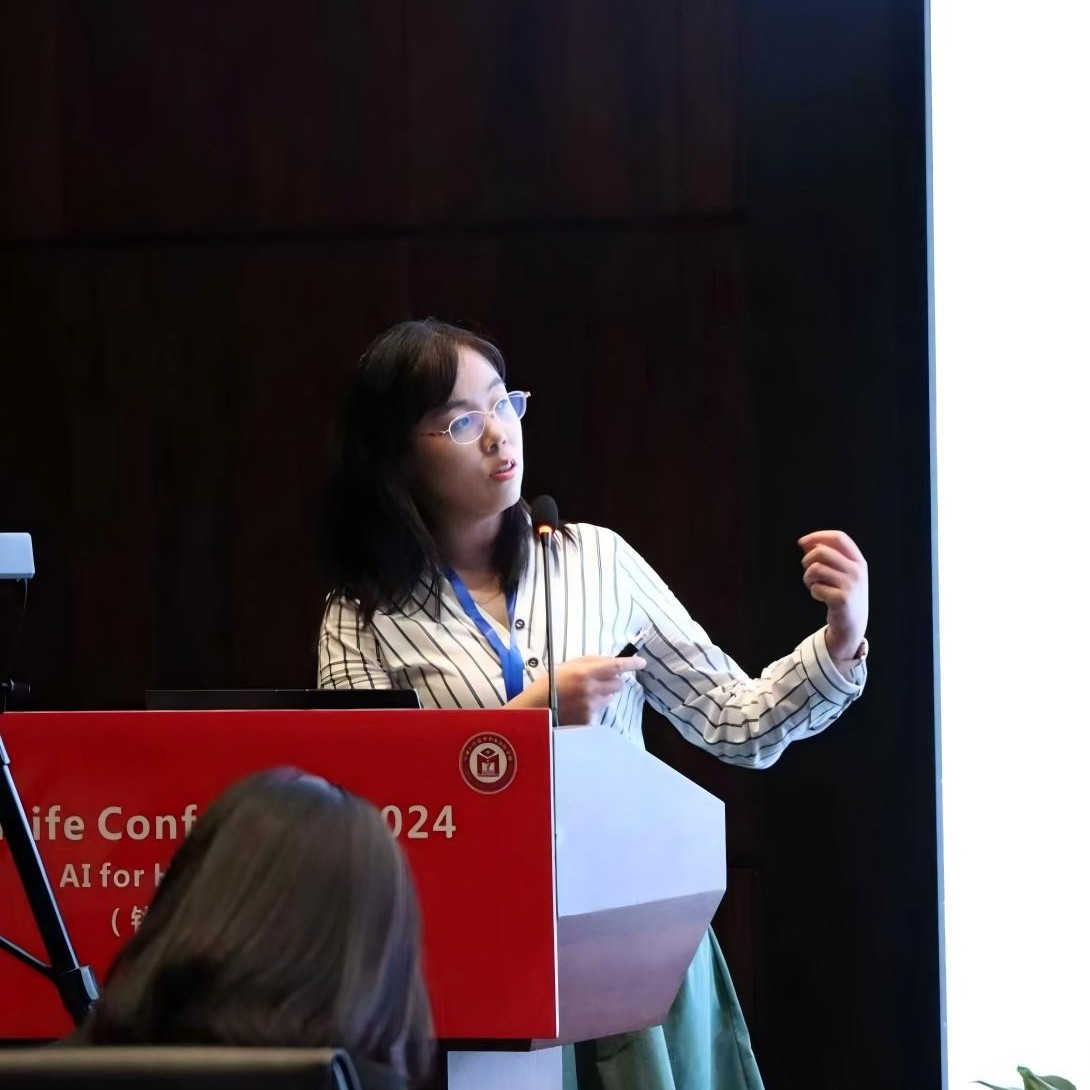
Dr. Xin-Ling Wang received her Bachelor's degree from Xi’an Jiaotong University in 2010. After obtaining her Master's degree in psychiatry from Zhejiang University in 2013 and her Ph.D. from the University of Chinese Academy of Sciences in 2020, she joined Shandong University as a Research Associate and continued her research on the role of circadian rhythm in mood disorders. Since 2023, she has been working as a postdoctoral researcher in Tsvetan Serchov’s team in CNRS and University of Freiburg. To date, she has revealed the molecular pathogenesis of mood transition between depression and mania and demonstrated the molecular switch underlying unipolar depression and bipolar depression. In recognition of this work, she received the 2025 Best Researcher in Neuroscience award.