Simulating dislocation-solute interactions in dilute alloys to understand serrated flow
Published in Electrical & Electronic Engineering
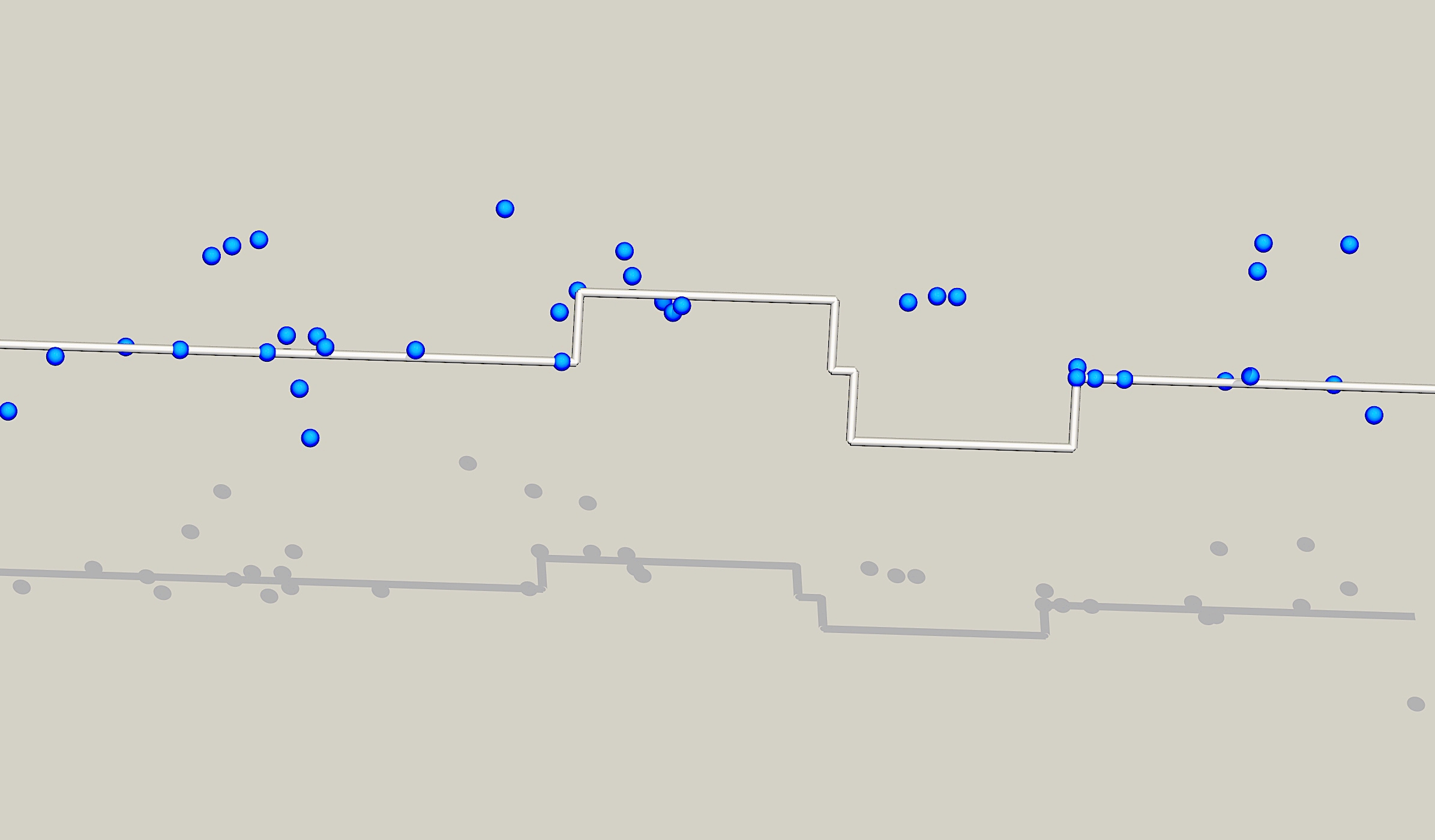
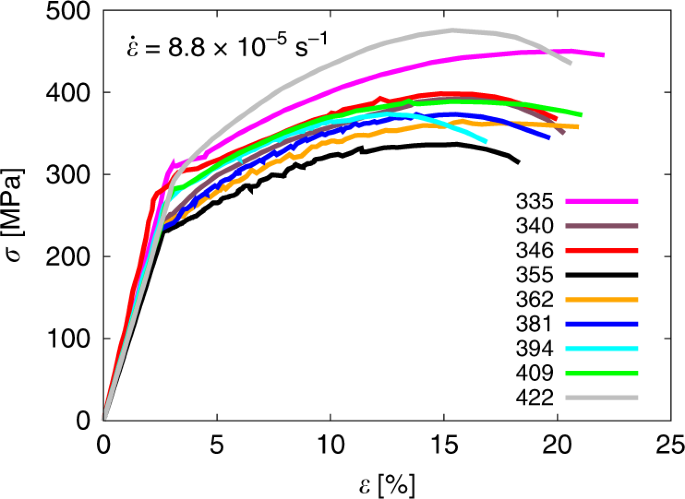

When a metal alloy is deformed, line defects called dislocations move, producing plastic slip as they do. In dilute alloys above a certain temperature, solutes may move as well, in some cases over time scales comparable to those of dislocation motion. From a physical point of view, studying this interplay is challenging because solute atoms need to be studied at atomistic length scales, but their diffusion often takes place over time scales much beyond those of atomic vibrations. We have developed elasto-kinetic stochastic models of dislocation-solute coevolution that allow us to bridge this scale gap and study the onset of serrated flow in structural alloys. This allow us to look at these processes on the length and time scales over which they truly occur, which will be helpful to understand how to design better materials that can avoid the detrimental effect of serrated plastic flow.

Follow the Topic
-
Nature Communications
An open access, multidisciplinary journal dedicated to publishing high-quality research in all areas of the biological, health, physical, chemical and Earth sciences.

Related Collections
With Collections, you can get published faster and increase your visibility.
Women's Health
Publishing Model: Hybrid
Deadline: Ongoing
Tumor Microenvironment Crosstalk and Therapeutic Implications
Publishing Model: Hybrid
Deadline: Nov 02, 2026

